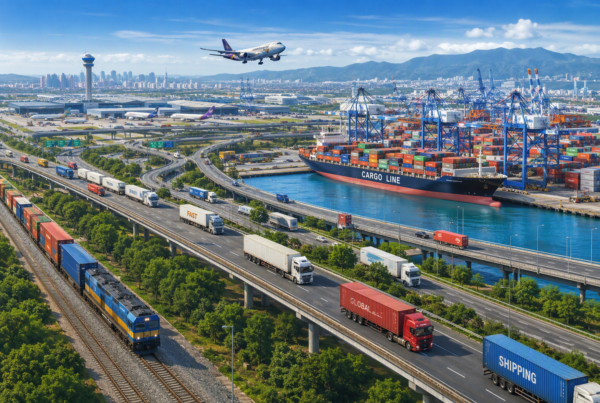
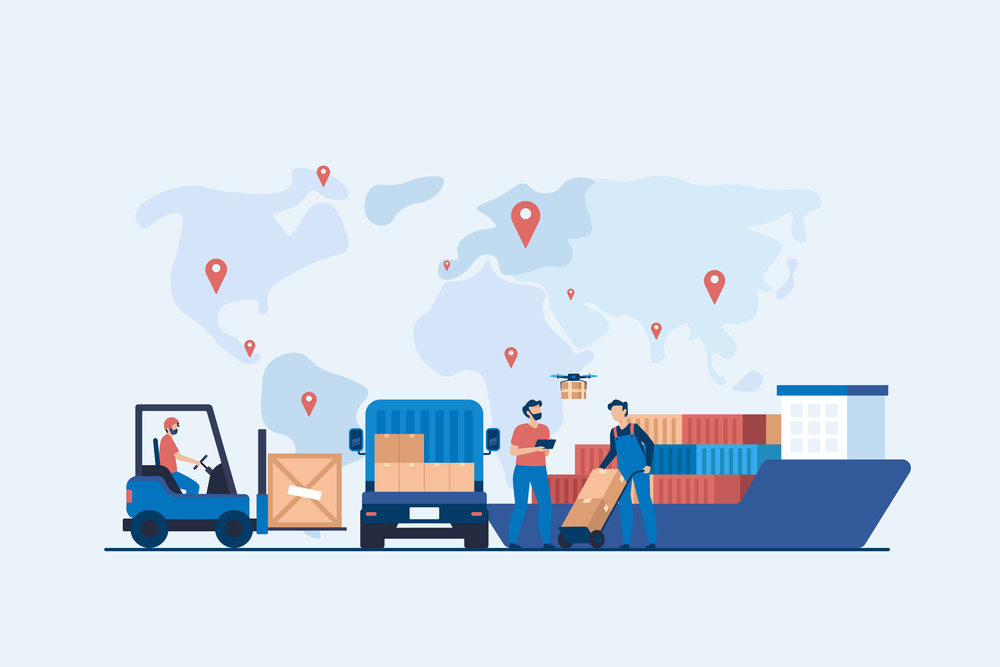
Logistics is the beating heart of how modern businesses operate, yet it often gets misconstrued or oversimplified. Whether you’re asking what logistics is, what does logistics mean or what does logistics entail in a real world business setting, the answer is a lot more complex than just shifting goods from point A to point B.
Logistics is the process that ties together suppliers, manufacturers, warehouses, transportation providers, and customers, ensuring products flow through the entire supply chain in a well coordinated and controlled way.
What Is Logistics All About?
Logistics actually refers to the planning, coordination and execution of how goods, materials and information move from a point of origin to a final destination.
At its most basic level, logistics is all about:
- Managing the movement of goods
- Co-ordinating storage and handling
- Ensuring inventory levels match customer demand
- Supporting order fulfillment and delivery
When people ask “what’s logistics?” they’re often thinking about shipping. But in reality, logistics is involved in everything from sourcing raw materials to printing shipping labels, picking, packing, and shipping, and even managing returns through reverse logistics.
What Does Logistics Mean to Businesses?
So what does logistics mean to businesses? Simply put, it means having control, coordination, and accountability across day to day operations.
From a business perspective, logistics is all about keeping products available without overspending on storage, transportation, or labor. Effective logistics management enables smoother operation, lower operational costs, and more reliable service.
When logistics works well, companies are better positioned to:
- Meet customer demand
- Reduce costs tied to transportation and storage
- Maintain effective inventory management
- Enhance customer satisfaction
And when logistics does go wrong, then you can expect late deliveries, excess inventory, missed sales and damaged customer trust.
Core Logistics Functions
Logistics is a broad term that encompasses a wide range of logistics activities working together across the supply chain. These logistics functions typically include:
Inbound Logistics
Inbound logistics is all about receiving and handling goods coming into a business, such as sourcing raw materials, coordinating with suppliers and managing deliveries into storage facilities or production sites. This stage often overlaps with procurement logistics and supplier management.
Outbound Logistics
Outbound logistics covers how finished products leave warehouses or distribution centers and reach customers. This includes order processing, order fulfillment, route planning and managing delivery vehicles across multiple transportation modes.
Inventory Management and Control
Inventory management and control is all about making sure the right products are available at the right time without tying up unnecessary capital. This includes:
- Managing inventory levels
- Supporting demand planning logistics
- Using inventory management software
- Maintaining accurate inventory organization
Effective inventory management plays a major role in meeting customer demand while controlling costs.
Logistics and Supply Chain Management
Logistics is closely connected to supply chain management but the two are not the same. Supply chain management looks at the broader strategy, while logistics focuses on execution.
In practice, supply chain management logistics involves coordinating logistics operations across suppliers, manufacturers, warehouses and transportation providers. Supply chain management professionals rely on logistics teams to carry out the movement, storage and handling decisions that keep the global supply chain running.
Logistics supports the entire supply chain, from sourcing materials to delivering finished products.
Logistics Management and Strategy
Logistics management is the discipline of overseeing logistics operations to balance cost, service and performance. This includes setting a logistics strategy that aligns with business goals and customer expectations.
Key areas of logistics management include:
- Managing logistics costs and transportation costs
- Overseeing warehouse logistics and material handling
- Supporting demand forecasting and demand planning
- Co-ordinating with a logistics team and external partners
Effective logistics management helps businesses gain a competitive advantage by improving reliability and responsiveness.
Technology in Modern Logistics
Today, modern logistics relies heavily on technology to manage complexity and scale. Many organizations use:
- Logistics management software
- Inventory management software
- A warehouse management system (WMS)
- Tools for warehouse automation and route optimization
These systems support warehouse management, improve visibility, reduce errors and help logistics managers make informed decisions faster.
Logistics Services and Providers
Not every business manages logistics inhouse. Many rely on logistics services such as:
- Third party logistics (3PL) providers
- 3PL warehousing and transportation
- Fourth party logistics coordination across multiple providers
These partners offer basic logistics services as well as more comprehensive supply chain solutions, especially for businesses operating across many regions or markets.
Specialized Types of Logistics
Logistics extends into many specialized areas, including
- Reverse Logistics for getting returns and recycling sorted out
- Green Logistics all about making the break to sustainability
- Construction logistics means getting the right gear and equipment to job sites on time and in the right order
- Production Logistics is about keeping the manufacturing wheels well lubricated and turning smoothly
- and of course there’s Military Logistics and Emergency Logistics
Each one of these, and there are a few others too, requires its own unique blend of planning, coordination and doing it all without too much of a mess.
Why Logistics Matters for Real
Logistics has a pretty direct impact on customer satisfaction, when the goods turn up on time and in the condition they should be in, people notice, and when they don’t the impact is immediate.
Having a good logistics operation can help businesses:
- Deliver on customer promises all the time
- Keep the money pouring in by keeping delivery and operational costs down
- Get the orders right and get them to the customer on time
- and Gain a bit of an edge over the competition in a crowded market
At the end of the day, logistics is about more than just getting the job done. It’s about creating a great customer experience and helping the business thrive.
Final Thoughts
So, what’s the point of logistics? Logistics is that tricky process that gets goods and materials moving across the supply chain. It is connecting up sourcing, storage, transport and delivery into a well oiled machine that keeps the business running smoothly.
From the old fashioned way of doing things right up to the latest super-tech driven logistics strategies, the companies that take the time to get their logistics sorted out are the ones who are best set up to meet demand, keep costs under control and successfully navigate the ups and downs of the market.