
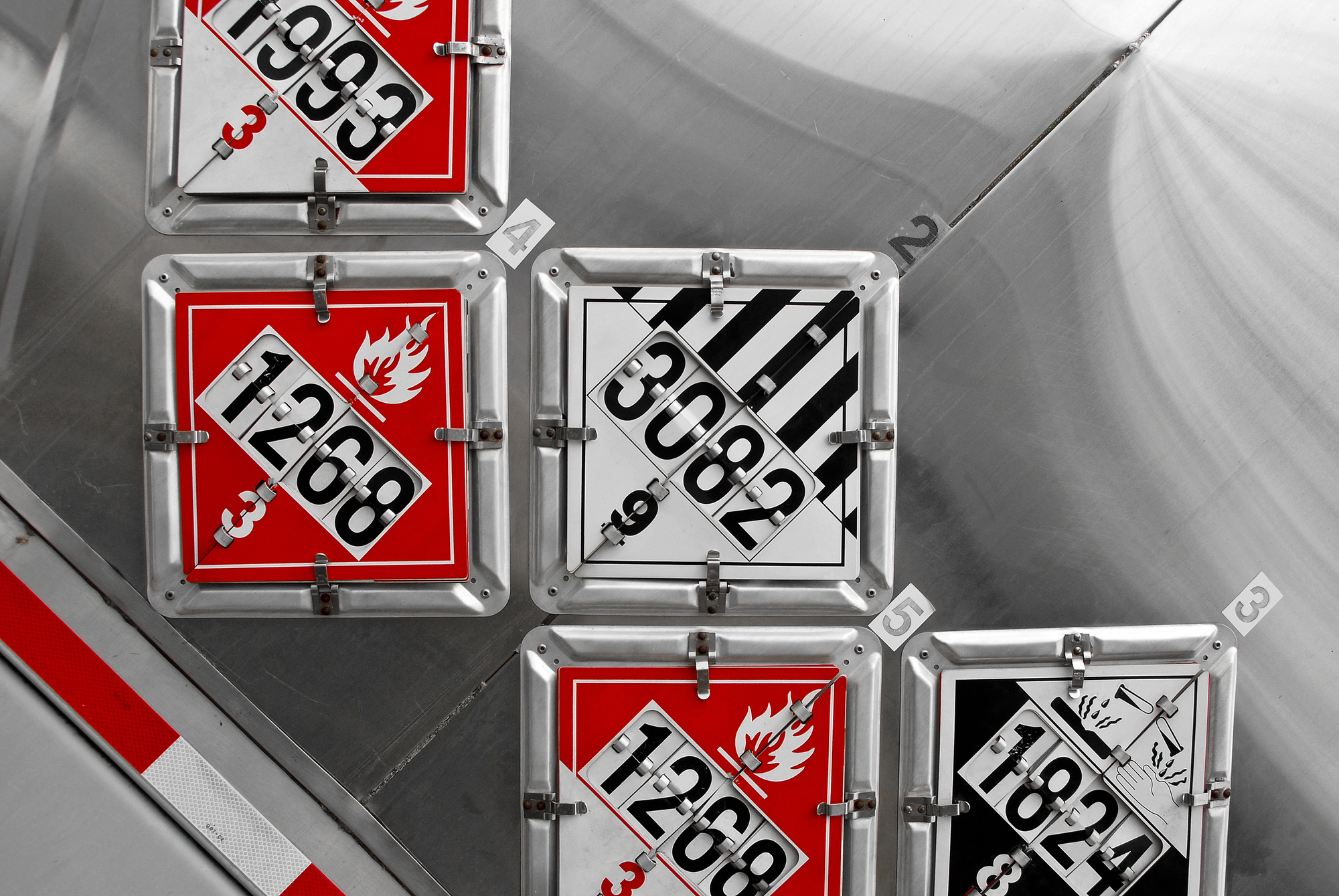
Understanding the Risk and Responsibility
Hazmat transport isn’t just about getting freight from point A to point B—it’s about people, the environment and the supply chain. Whether it’s flammable liquids, medical waste or radioactive materials, hazmat transport is serious business.
Federal regulations—Hazardous Materials Transportation Act and 49 CFR—outline strict rules for motor carriers, shippers and hazmat employees to follow. These rules are in place to reduce unreasonable risk to the public and ensure hazmat is transported safely on any motor vehicle, including public highways and intrastate commerce.
What is Hazardous Materials?
Many common hazardous materials are hiding in plain sight. The hazmat table—managed by the Department of Transportation—classifies each material by hazard class, packing group and physical properties.
Examples:
-
Spray paint (pressurized and flammable)
-
Combustible liquids like diesel
-
Lithium batteries
-
Carbon dioxide
-
Medical waste
-
Household cleaners
-
Marine pollutants
Each item must have a proper shipping name, UN identification number and follow packaging requirements and labeling requirements in the regulations.
Also, distinguish between:
-
Hazardous substances (harmful to the environment)
-
Hazardous wastes (industrial byproducts)
-
Dangerous goods (materials that pose threats if mishandled)
These categories determine the special provisions and performance standard for transport.

Oversight and Regulatory Agencies
Several U.S. agencies regulate shipping of hazmat:
-
U.S. Department of Transportation (DOT), via PHMSA
-
Coast Guard (for maritime shipments)
-
United States Postal Service (for mail restrictions)
-
Nuclear Regulatory Commission (for radioactive substances)
Each agency has rules in the Federal Register and updates for shippers and private motor carriers. Even political subdivisions (state and local authorities) are subject to compliance.All entities involved in transporting hazmat—from packaging to final delivery—must follow federal regulations regardless of shipment size or distance.
Shipping Hazmat: Documentation and Requirements
Every hazmat shipment must be labeled and have the proper documentation:
-
Shipping paper with basic description, identification number, hazard class and UN number
-
Emergency response information
-
Safety Data Sheet (SDS) with health and handling guidelines
Hazmat packaging must comply with packaging requirements, especially for limited quantity shipments. Labels must have proper hazard identifiers and the US government icon where required.
Carriers must also manage system-level data such as:
-
Username password re-type
-
Account details
-
Friendly name job function
These backend elements prevent delays or errors.
Blocking, Bracing and Shared Responsibility
Who is responsible for blocking and bracing of hazmat loads? Primarily the shipper but motor carriers also share liability under hazmat regulations.
Loads must be secured to prevent shifting, especially during turns or emergency stops. Failure to secure can compromise safety and lead to transportation incidents and fines.
Whether bulk freight or materials designated as high-risk, all hazmat in the vehicle must be secured according to manufacturer’s instructions and federal standards.
Hazmat Employee Training
Anyone who handles hazmat is a hazmat employee and must meet the training requirements in the law.
Training types:
-
General awareness training
-
Function-specific training based on job duties
-
Security awareness (to mitigate threats)
-
III tests (for certain roles)
Drivers need a hazmat endorsement on their CDL, which includes:
-
Written test
-
Background check
-
State specific compliance
Training must be renewed before the expiration date to stay compliant and promote a culture of safety.
What to Do in a Hazmat Incident?
Even with planning transportation incidents can happen. Spills, leaks or fires involving hazmat must be reported to the National Response Center (NRC) immediately.When reporting, be prepared to provide:
-
Description of the danger
-
Emergency contact information
-
Basic description of the incident
Responders need this information to act fast and minimize risk to people and the environment. Having emergency response information readily available is not just best practice—it’s required.
Special Transport Scenarios and Routing Protocols
Not all hazmat shipments follow the standard route. For example highway route controlled quantity shipments—especially for radioactive materials—must follow designated routes approved by federal and local authorities.
Shippers and carriers must consider:
-
Access to delivery site
-
Parking rules for staging hazmat cargo
-
Loading dock protocols
When operating in intrastate commerce, local authorities may add additional routing rules on top of federal regulations.
Planning ahead for high-risk materials improves safety and prevents non-compliance delays.
Packaging, Labeling and Backend Accuracy
Meeting packaging requirements means using durable, leak-proof containers rated for the material’s hazard class and packing group. Limited quantity shipments must meet defined thresholds for size and risk level.
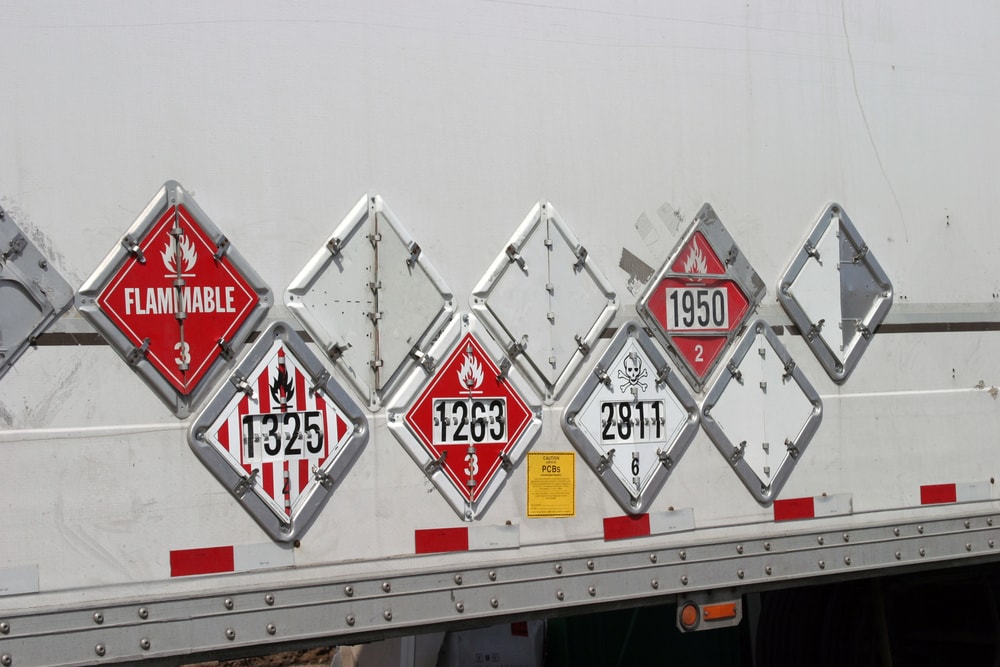
Labels must be:
-
Durable
-
Legible
-
Reflective of the material’s hazard
They often have the US government icon and hazard symbols visible from a distance.
On the digital side, carriers must manage system data like:
-
Username password re-type
-
Account details
-
Friendly name job function
This prevents delays or errors.
Common Hazmat in Transit
Hazmat doesn’t just mean drums of chemicals. Some of the most common hazmat include:
-
Spray paint
-
Medical waste
-
Lithium batteries
-
Carbon dioxide
-
Household cleaners
-
Marine pollutants
Whether bulk or parcel, these goods must follow hazmat regulations especially when transported by a motor vehicle on public highways.
Even everyday freight is dangerous goods if it meets the criteria in the hazmat table.
Staying Compliant with Hazmat Transport
Compliance is more than avoiding fines—it’s about preventing harm. To stay compliant when shipping hazmat, you must:
-
Follow labeling requirements
-
Document correctly
-
Train regularly
-
Use approved packaging
Since regulations change, do a web search or check the US Department of Transportation for updates. The federal register and other regulatory sources have the latest information.
Everyone involved in the process must work together to mitigate risk.