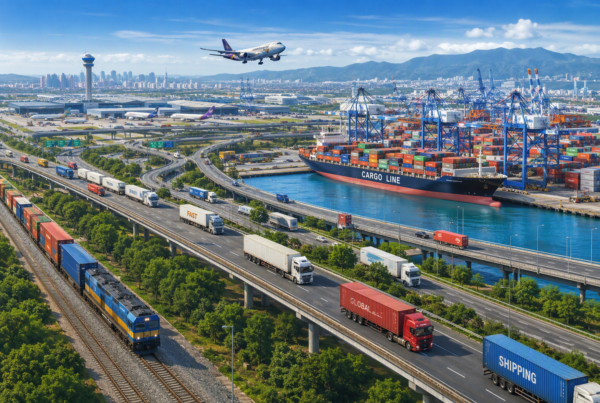

Why Container Charges Matter in Shipping
When it comes to freight shipping, costs don’t stop at pickup and delivery. Container charges—fees associated with the use, handling, and timing of shipping containers—are a big part of the overall logistics picture. Whether you’re moving goods across the country or across the globe, these charges can add up fast.
To set the context, we will briefly explain what pickup charges are and why they are levied. A pickup charge is a specific fee applied for collecting containers from ports or depots, typically covering the cost of repositioning empty containers to areas of demand. Pickup charges are just one part of the broader set of container-related costs that shippers need to consider.
For businesses in the shipping industry, overlooking these extra costs can mean unexpected shipping expenses, higher freight rates, and delays in a cargo’s journey. Understanding what container charges are, how they work, and who they impact is key to better planning, fewer surprises, and more control over your supply chain.

What Are Container Charges?
Understanding the different types of container charges starts with two of the most misunderstood terms in the shipping industry: demurrage fees and detention fees.
- Demurrage fees are charged by the shipping line when a full container sits at the port terminal beyond the allotted free time. This happens when the cargo isn’t picked up by the consignee within the agreed number of days, also known as the free day period. Demurrage fees are typically assessed per container.
- Detention fees apply when the container has been moved off the terminal (to a warehouse, for example) but not returned within the agreed timeframe. You’re holding up equipment the carrier needs for other shipments. Detention fees are also assessed per container.
These are often referred to as detention and demurrage charges and are assessed by shipping lines and carriers to keep containers moving through the system. Other container-related charges may include a pickup fee, which is charged by carriers or freight providers when collecting containers from a depot or warehouse.
To avoid demurrage charges or detention charges, you need to understand:
- Free time: The number of days you have to pick up, unload, and return the container without incurring fees. Charges begin accruing after the allotted free time has expired.
- Free day: The final day of your free time period.
- Last free day: The very last day before fees start to accumulate.
Example: If your container arrives on a Monday and you have 5 days of free time, your last free day is Friday. Any delay past that—whether at the port terminal or offsite—could result in demurrage or detention fees depending on where the container is. In some cases, fees may start accruing a few days prior to the end of the allotted free time, depending on the carrier’s policy.

Who Is Impacted?
Container charges don’t just impact one party—they impact the entire shipping and logistics chain. Shippers, freight forwarders, brokers, container users, the shipping company, and customers are often the ones paying the fees, but many other players are involved in the process. Both the supplier and the user can be responsible for container pickup charges, depending on the agreement. At times, when the user picks up containers in surplus locations, this can affect who pays the pickup charge. The container owner and user often negotiate these charges based on market conditions, and the user negotiate terms to balance costs. In some cases, the cost allocation process even pays container users to incentivize container movement and address supply-demand imbalances. At the operational level, trucking companies, ports, and vessel operators all interact with the equipment, timelines, and infrastructure that impact how long a container is in use. If a truck is delayed at a congested port or if a vessel arrives behind schedule, that can trigger a chain reaction that leads to demurrage or detention fees regardless of fault. Successful transactions depend on clear agreements and efficient cost management.
The risk of extra fees can also increase based on cargo type and shipment destination. Time-sensitive goods like perishable items may require faster turnaround to avoid spoilage, while certain international destinations may have longer customs processes or limited infrastructure, increasing the chances of delay.
Understanding who is responsible for what part of the shipment is key to assigning accountability and minimizing extra fees throughout the journey.
Container Types and Charges
Not all containers are created equal, and the type of container you choose can have a significant impact on your shipping costs. Standard dry containers are the most widely used and typically come with lower demurrage and detention fees compared to specialized options like refrigerated (reefer) or tank containers. These specialized containers often incur higher demurrage and detention charges due to their limited availability and the extra handling they require.
The current market situation, including port congestion and fluctuating container availability, can also influence the fees associated with different container types. For example, during periods of high demand or when certain container types are in short supply, shipping companies may increase charges to reflect the market situation. This can quickly drive up your total costs, especially if your cargo requires a specific container type.
Understanding the differences between container types and their associated fees is essential for shippers looking to reduce exposure to demurrage and detention charges. By selecting the right container for your cargo and staying informed about market trends, you can better manage your shipping costs and avoid unnecessary fees at the port or terminal.
Bill of Lading and Container Usage
The Bill of Lading (B/L) is more than just a shipping document—it’s the contract that governs how containers are used throughout the shipment. It specifies the type of container, the cargo inside, and the responsibilities of each party involved. Properly managing your B/L is crucial for avoiding demurrage and detention charges, as it sets the terms for when and how containers must be returned to the port or terminal.
The difference between demurrage and detention charges comes down to timing and location: demurrage refers to fees for containers that remain at the port or terminal beyond the agreed period, while detention charges apply when containers are kept outside the port longer than allowed. In busy ports—such as those in China, where decreasing container availability and congestion are common—mismanaging your B/L can quickly lead to extra fees.
By understanding the details in your Bill of Lading and ensuring all parties are aligned on container usage, shippers and shipping companies can avoid costly delays and keep their supply chain running smoothly, even in challenging port environments.
How Demurrage and Detention Fees Are Charged
Detention and demurrage charges don’t just impact one party—they impact the entire shipping and logistics chain. Shippers, freight forwarders, brokers, and customers are often the ones paying the cost of these charges, but many other players are involved in the process. The cost can escalate quickly, resulting in a higher fee for prolonged delays, especially when detention and demurrage charges accumulate over time.
At the operational level, trucking companies, ports, and vessel operators all interact with the equipment, timelines, and infrastructure that impact how long a container is in use. If a truck is delayed at a congested port or if a vessel arrives behind schedule, that can trigger a chain reaction that leads to detention and demurrage charges regardless of fault. Export cargo is particularly affected, as delays in moving export shipments can result in additional fees.
The responsibility for these charges often depends on whether a container is at a deficit location or a large surplus area. When a port has a large surplus of containers, shippers may bear the pickup costs to move containers to deficit locations where they are needed. The current market situation reflects increasing container imbalances, which lead to higher costs and more frequent application of these charges.
Empty containers and empty equipment create logistical challenges that can increase fees, especially when ports suffer from congestion and delays. New regulations in certain regions, such as Chinese ports and European ports, have been implemented to manage container imbalances and affect how these charges are applied. For example, US importers face difficulties returning empty containers to Asia, contributing to congestion and higher fees when ports suffer from backlogs.
Understanding who is responsible for what part of the shipment is key to assigning accountability and minimizing extra fees throughout the journey.
Free Time and Per Diem
Free time is the grace period granted by shipping lines or container suppliers, allowing shippers to pick up, unload, and return containers without incurring extra charges. Once this agreed upon free time expires, per diem charges—daily fees for each container—begin to accumulate. These per diem rates, along with demurrage and detention fees, can quickly add up if containers sit at ports or terminals longer than planned.
Factors like port congestion and limited container availability can shorten free time windows or increase per diem rates, making it even more important to monitor your shipments closely. Real time visibility into container movements and clear communication with your container suppliers can help you avoid unnecessary costs and reduce exposure to demurrage and detention fees.
By understanding your free time agreements and tracking your containers proactively, you can keep total costs in check and ensure your cargo keeps moving, even when the market situation is unpredictable.
Congestion Surcharges
When ports become congested—whether due to peak shipping seasons, labor shortages, or surges in demand—shipping lines may impose congestion surcharges to offset the extra costs and delays. These fees are especially common in high-traffic locations like Long Beach or mainland China depots, where port congestion can lead to longer dwell times and higher demurrage and detention fees for shippers.
Congestion surcharges are designed to manage the flow of containers and discourage excess volume during busy periods. For shippers, this means higher total costs and a greater risk of extra charges if containers are delayed. To avoid these fees, it’s important to plan shipments strategically, negotiate with shipping lines, and consider using platforms like Container xChange to find alternative solutions and optimize cargo moving.
By staying informed about congestion trends and working closely with your logistics partners, you can minimize the impact of congestion surcharges and keep your shipping costs under control.
Brokerage and Admin Charges
In addition to demurrage and detention fees, shippers often encounter brokerage and admin charges—fees for services like customs clearance, documentation, and shipment coordination provided by freight forwarders and other intermediaries. These charges can also include costs for correcting paperwork errors or handling misdeclared hazardous shipments, which can be particularly expensive if not managed properly.
Accurate and timely documentation is essential to avoid unnecessary costs and ensure smooth container usage throughout your supply chain. Leveraging data points on freight rates and staying updated on industry regulations can help you anticipate and manage these admin charges, reducing your exposure to demurrage and detention fees.
By working with experienced partners and maintaining clear communication, shippers can streamline their shipments, avoid extra fees, and enhance overall supply chain efficiency.
Impact on Freight Rates
Demurrage and detention fees may seem like line-item costs, but they can have a big impact on the overall shipping process and the financials of a load. These extra fees, such as pickup fee, storage charges, and surcharges, are typically assessed per container and contribute directly to rising shipping costs, especially when delays occur at ports, during unloading, or in returning equipment.
When these delays happen, brokers and carriers often adjust their trucking freight quotes to account for the risk. That leads to fluctuations in freight rates and can even drive up spot rates, especially in high-demand lanes or when capacity is tight. For shippers, these per container charges can eat into profit margins. A single delay can result in hundreds or thousands of dollars in extra costs, especially if multiple containers are involved. And because delays and port congestion are often outside of the shipper’s control, these costs can be frustrating and unpredictable.
Managing and anticipating demurrage and detention fees—along with other per container charges like the pickup fee—is no longer optional. Effective management of these per-container fees is essential for successful transactions, as it helps keep total shipping costs in check and protects your bottom line.
How to Avoid or Reduce Container Charges
- Proactive planning: Avoiding container charges, including detention and demurrage charges, starts with control, and that begins with early planning. Pre-clear customs and have all documents ready before your shipment arrives. This minimizes delays and keeps you within your free day window.
- Leverage visibility technology and digital tools: Real-time container tracking and digital management tools let you monitor and manage detention and demurrage charges. Visibility tools can alert you to cutoff times and key milestones so you can act before fees are triggered.
- Coordinate with your freight forwarder and broker: Effective communication with your logistics partners helps to streamline inland transportation plans, reduce dwell times, and keep your containers moving on schedule, preventing delays and extra charges.
- Encourage full container returns and timely cargo movement: When full containers are returned promptly and cargo movement is steady, equipment stays in circulation and demurrage and detention risks are reduced.
- Negotiate flexible agreements: Establishing flexible agreements with logistics partners can help you avoid unexpected detention and demurrage charges and adapt quickly to changing circumstances.
Managing These Charges
Working with a leading logistics provider or shipping company can make a big difference in how you handle and reduce container charges. A good shipping company helps manage empty equipment, coordinates with port terminals, and supports compliance to avoid delays and mitigate demurrage fees before they add up.
By partnering with a provider that has relationships with major shipping lines and port terminals, you gain faster booking, priority equipment, and more flexible scheduling. These benefits help to optimize your logistics operations, especially when time is tight or capacity is limited.
A strong provider can also assist in negotiations between the container owner and user to minimize charges, ensuring that cost arrangements are fair and transparent.
In addition, your partner should offer container tracking tools and support services that let you monitor each shipment in real time. From flagging potential delays to assisting with dispute resolution, these services are key to staying ahead of fees and keeping shipments on track.

Container Charge Costs
Understanding container charges is more than just knowing what they are—it’s about knowing how they vary based on your cargo, the specifics of your shipment, and your access to busy ports. These fees can add up quickly if not managed correctly and impact both your timelines and your budget. So plan smart. With planning, the right tech, and the right logistics partner, you can stay ahead of delays, avoid penalties, and keep your operation running.
Ready to ship without surprises? Work with a team that knows the entire shipping process from container booking to final delivery. At every step, there’s a smarter way to move freight, and it starts with visibility, strategy, and support.