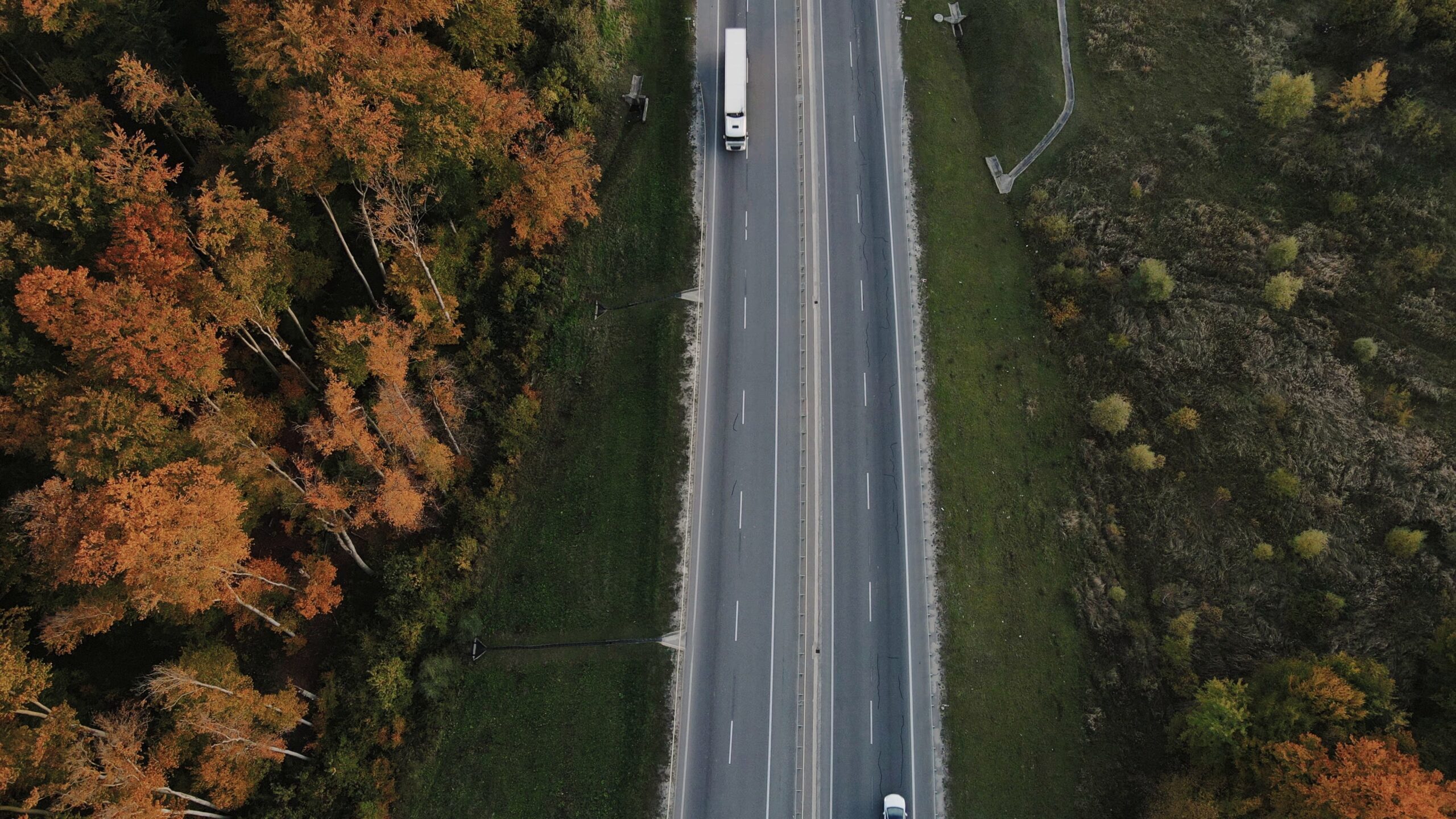
Transportation and logistics are the unsung heroes of getting products from one end of the modern economy to the other. From raw materials crossing borders, to finished goods landing on customers’ doorsteps, transportation and logistics are the behind-the-scenes systems that keep businesses running smoothly.
This guide gets straight to the point – it’s focused on how goods move – not what logistics is all about or who does the work. Instead, it breaks down the nitty-gritty of the transportation process, the systems behind moving freight, and why that process is such a vital part of the entire supply chain.
What Transportation & Logistics Look Like in Real-Life Scenarios
In practical terms, transportation and logistics boil down to how goods get from one place to another through a series of coordinated steps. This includes the actual movement of freight, the planning that makes it happen, and the systems that track everything along the way.
Transportation focuses on:
- Actually moving the goods
- Figuring out the best transportation methods and routes
- Managing transportation operations and making sure deliveries happen on time
Logistics, on the other hand, supports that movement by getting the inventory, schedules, and customer orders all lined up so goods arrive where and when they’re needed.
Together, logistics and transportation form the execution layer of supply chain management, the bit that makes sure everything gets done.
The Role of Transportation in the Supply Chain
Transportation and logistics are like a thread that weaves suppliers, manufacturers, warehouses, and customers all together into a single, cohesive process. Without reliable transportation systems, even the most well-planned supply chains will struggle with getting products to customers on time and in good condition.
Transportation plays a key role in supply chain management by:
- Moving big-ticket and high-value items from one place to another
- Enabling international trade and global trade flows
- Supporting e-commerce and customer orders
- Allowing companies to deliver what customers want consistently
In the transportation and logistics industry, transportation is all about speed, reliability, and efficiency. Getting the job done quickly and cheaply.
Transportation Logistics & the Movement of Goods
Transportation logistics is all about making sure freight moves efficiently through the different stages of the supply chain. This includes:
- Figuring out the best routes to take
- Selecting the right carriers for the job
- Managing delivery vehicles and drivers
- Finding a balance between transportation costs and delivery times
The goal is to get an efficient flow of goods from point to point, whether that’s a short trip across town or a long haul across borders.
Transportation logistics plays a competitive role by helping companies:
- Cut costs tied to fuel consumption and inefficient routing
- Improve delivery times
- Keep a finger on the pulse of supply chain activity
- Make informed decisions based on real data on how goods are moving
Transportation Methods & Modes
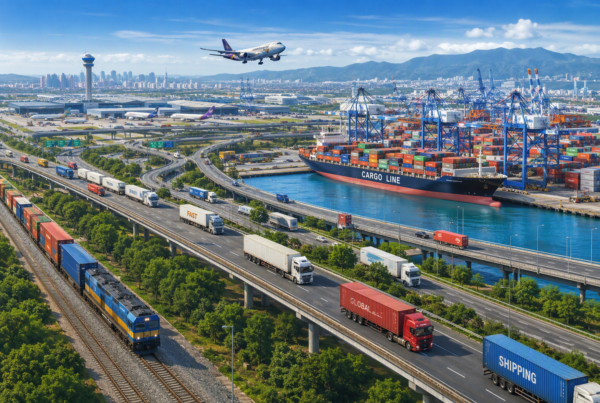
Modern logistics transportation relies on a range of different methods to get goods where they need to go. Each method is best suited for different types of shipments and customer requirements.
Common transportation methods include:
- Road transport for getting goods to customers in different regions
- Rail for moving bulk goods and long distances
- Ocean and air freight for international trade and global shipments
Most transportation and logistics companies end up combining multiple transportation methods to balance cost, speed, and reliability across the supply chain.
Transportation, Distribution, and Logistics in Practice
Transportation, distribution, and logistics all work together to form a single, integrated system. Transportation handles the movement, distribution manages the flow of goods through facilities, and logistics planning coordinates timing and resources.
In a well-oiled transportation distribution and logistics system:
- Goods move from suppliers to distribution centers
- Space utilization is planned to maximize capacity
- Freight consolidation reduces empty space and saves costs
- Orders are staged for timely delivery
This coordination allows companies to move large volumes efficiently while keeping operational costs under control.
Freight Movement, Forwarding, and Global Trade
Freight movement gets even more complex when shipments cross borders. In global trade and international trade, transportation logistics often involves:
- Freight forwarders and freight forwarding services
- Customs clearance and documentation
- Coordinating shipments across multiple carriers
Freight consolidation and forwarding help reduce transportation costs while supporting reliable transportation over long distances.
These systems allow logistics companies and transportation and logistics companies to manage high-volume, cross-border freight while keeping delivery times on track.
Transportation Costs & Cost Efficiency
Transportation costs are a big expense for logistics operations. Fuel costs, labor, carrier rates, and equipment all have an impact on cost efficiency.
Efficient transportation is all about:
- Finding the best routes to take and optimizing routes selection
- Reducing empty miles
- Improving space utilization
- Lowering fuel consumption and carbon emissions
Cost efficiency isn’t about cutting corners, it’s about building transportation systems that move goods reliably while keeping costs under control.
Technology, Visibility, and Decision-Making
Modern transportation and logistics systems depend on visibility and data to make it all happen. Supply chain visibility allows teams to track freight movement, monitor delivery times, and respond to disruptions quickly.
With better visibility, logistics teams gain valuable insights that help them:
- Improve demand forecasting
- Adjust logistics planning
- Ensure timely delivery
- Reduce operational surprises
These insights support better decisions across transportation operations and logistics processes.
Environmental Impact & Sustainability
Transportation has a direct impact on the environment, from fuel consumption to carbon emissions. As sustainability becomes a priority, many companies are looking at ways to reduce their carbon footprint through transportation planning.
Environmental sustainability in transportation logistics often focuses on:
- Cutting back on pointless miles traveled
- Getting the most out of each truck
- Reducing the amount of fuel we use
- Smoothing out our freight operations
These efforts don’t just play well with the environment, they also help us save some cash.
Why the State of Our Transport Matters
Transportation is a pretty big deal in business, it’s a huge influence on how well a company does and whether customers are happy or not. When the transport system is firing on all cylinders, you get on-time deliveries, products are always in stock, and customers are as happy as clams.
But let it all go to pot and you’ll quickly see delivery delays, cost blowouts and customer expectations just getting kicked to the curb.
Companies who get their transport game down pat, get a real competitive edge by:
- Delivering one heck of a lot quicker
- Saving some serious dollars
- Being good for their word, all the time
- Keeping customers as happy as they need to be
Final Thoughts
The transport and logistics side of things is the real powerhouse behind keeping those supply chains moving in the modern world. From the humble truck on the highway to the complex dance of global trade and last mile delivery, it’s those systems that keep the whole thing ticking over. By focusing in on how to get transport working smoothly, give customers a clear view of what’s going on and knock some sense into logistics planning, companies in the industry can start to really make some savings, get their delivery numbers up and meet those customer demands, which are only going to get bigger and more demanding as time goes on.