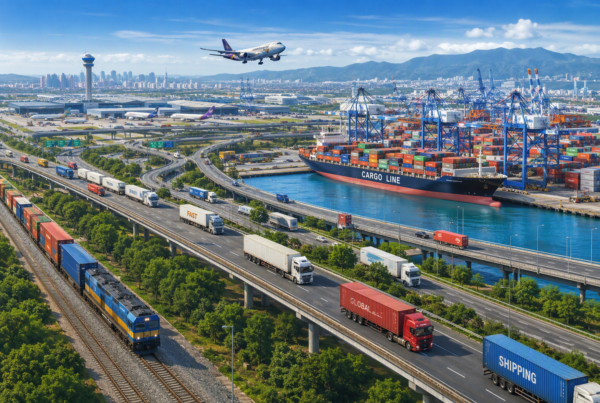

Sustainability has become a top priority in the logistics industry and it’s no longer an ‘optional extra’ it’s a fundamental part of any modern logistics strategy. With fuel costs fluctuating, regulations getting tighter and customer expectations changing all the time, sustainable logistics is no longer something you can afford to ignore, it’s a core part of what gets you ahead.
Today, sustainability in logistics revolves around reducing the environmental impact of the industry while still delivering strong operational performance. For logistics companies, this means taking a close look at how transportation, warehousing and supply chain management all work together to create a more sustainable future.
What Is Sustainable Logistics?
Sustainable logistics is essentially about running your logistics operations in a way that really minimizes the environmental impact, while still providing a reliable and cost-effective supply chain service.
At its core, sustainable logistics practices are all about:
- Lowering carbon emissions and other greenhouse gas emissions
- Cutting fuel and energy consumption
- Making your logistics and supply chain operations more efficient
- Showing you really care about the environment without sacrificing service
Sustainability in logistics is where business operations, environmental protection and supply chain resilience all come together.
Sustainable Logistics vs Normal Logistics
Normal logistics has traditionally been all about getting things moved quickly and cheaply, while still keeping customers happy. Green logistics, on the other hand, is specifically about making those decisions that reduce the environmental impact, and taking proactive steps to make a positive difference.
So sustainable logistics is about finding a balance between green practices and the broader logistics sustainability strategies that work across the whole supply chain.

Why Sustainability in Logistics Matters
There are several major factors driving the need for logistics sustainability.
Environmental Impact and Responsibility
The truth is that transportation is a major source of carbon emissions. By making use of sustainable logistics practices, logistics companies can reduce their carbon footprint and do their part to help protect the environment.
Customer and Market Expectations
As shippers, more and more customers are looking for partners who can show they are serious about sustainability. In fact, their purchasing decisions, long-term business partnerships and brand image will begin being influenced by your commitment to sustainability, if it hasn’t already.
Operational and Cost Pressures
Cutting down on fuel and energy consumption, as well as packaging waste, can actually lead to better cost control and stronger operational efficiency.
Competitive Advantage
Companies that make the commitment to sustainable practices early on are often at an advantage because they are able to link their performance goals to their sustainability goals.
Sustainable Logistics in Real-World Operations
Sustainable logistics isn’t just about making big changes, it’s about making lots of small changes across your logistics operations.
Transportation and Routing
- Optimizing routes to reduce the miles you drive and the fuel you use
- Cutting fuel consumption through better load planning
- Using alternative fuel vehicles and electric vehicles wherever possible
Equipment and Energy Use
- Investing in newer, more fuel-efficient equipment
- Using renewable energy like solar panels at your terminals or facilities
- Tracking fuel consumption and greenhouse gas emissions by location
Warehousing and Packaging
- Reducing packaging waste through better packaging management
- Using green packaging materials and more sustainable packaging options
- Improving facility energy efficiency to save resources and money
These sustainable logistics practices support both environmental responsibility and business continuity.
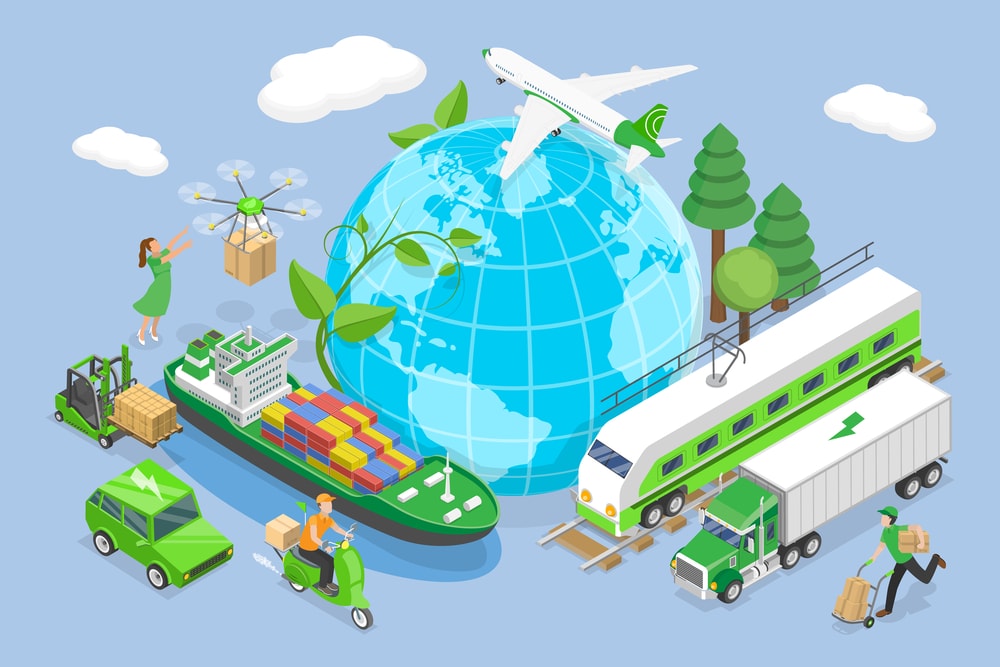
What Role Do Logistics Companies Play in a Sustainable Supply Chain?
Logistics companies are central to building a sustainable future for logistics and supply chain networks. Their decisions directly affect transportation routes, fuel usage and emissions output.
Strong sustainability in logistics means:
- Supporting supply chain goals that are focused on sustainability
- Providing data visibility into emissions and energy use
- Aligning logistics strategy with green practices
- Helping customers adopt more sustainable practices without disruption to their operations
Collaboration between shippers and logistics providers is key to building a more sustainable future.
Measuring Sustainability in Logistics
One of the biggest challenges in logistics sustainability is actually measuring it. Without clear metrics, sustainability efforts can fizzle out.
Indicators to look for include:
- Carbon footprint per shipment
- Fuel consumption by location or region
- Energy consumption across facilities
- Packaging waste and material recovery
Tracking these metrics helps supply chain professionals connect their sustainability practices to the real outcomes they’re getting.
Sustainable Logistics and Business Performance
In reality, sustainable business practices often end up making the business more efficient, rather than slowing it down. Companies that focus on logistics sustainability often see:
- Improved operational efficiency
- Lower distribution and fuel costs
- Reduced packaging waste
- Stronger customer trust and loyalty
Over time, sustainability in logistics helps to build a positive brand image and support long-term growth.

Green Logistics Misconceptions
“Sustainable logistics costs more.”
The truth is that reducing fuel consumption and cutting down on waste can actually lead to cost savings.
“It only applies to big companies.”
Sustainability practices can scale to fit logistics operations of all sizes when you make a conscious commitment to it.
“It’s all about cutting emissions.”
Logistics sustainability actually includes a lot of other areas, like waste reduction, packaging management and operational discipline as well.
The Future of Sustainable Logistics
As technology and regulations evolve, sustainable logistics will continue to shape the way supply chains operate. With more use of renewable energy, alternative fuel vehicles and data-driven logistics strategies, we can expect to see a major reduction in the environmental impact of the logistics industry.
Companies that make the commitment to sustainability in logistics today are better placed to adapt to the changing world tomorrow.
Final Thoughts: Sustainable Logistics Is a Strategic Must-Have
Sustainable logistics isn’t a short-term fad, it’s a long-term shift in the way logistics companies approach supply chain management. By embracing sustainable practices, cutting back on the environmental footprint and getting logistics operations in sync with those sustainability objectives, companies are able to build stronger supply chains, preserve their profit margins, and play a part in a more environmentally friendly future.
Logistics sustainability is all about finding a balance between doing well, doing the right thing, and being able to bounce back, now and in years to come.