Returns are no longer just a minor headache for logistics. With shifting customer expectations, tighter margins and increasingly complex supply chains, reverse freight has become a vital operational function, not just some afterthought that gets forgotten.
Getting a handle on how reverse logistics works, why it matters and how it fits into the bigger picture of supply chain management is now a must-know for logistics teams and supply chain professionals.
What’s the Big Deal About Reverse Logistics?
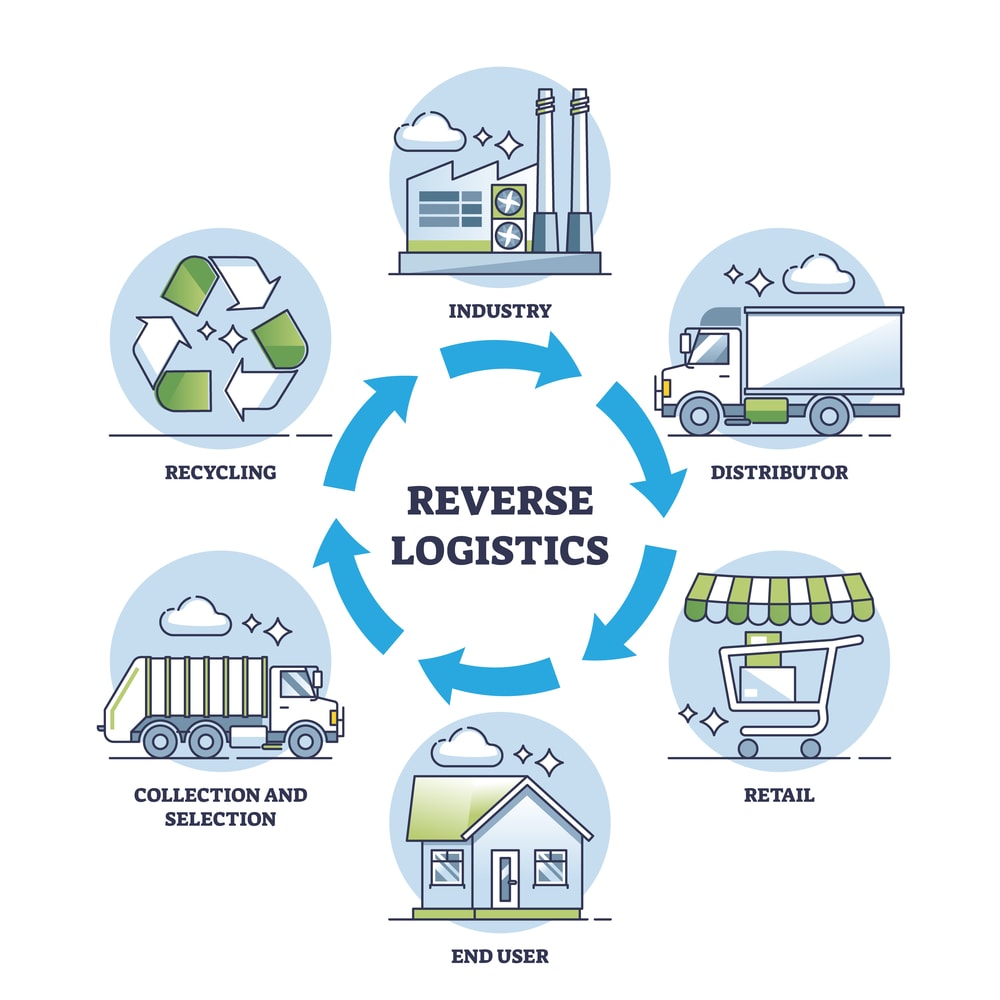
Reverse logistics is the process of moving goods back through the supply chain for returns, recalls, repairs, rework, disposal, or redistribution.
To put it simply: reverse logistics is everything that happens after a product leaves the customer, or is sent back before it even reaches them.
Unlike traditional logistics, which is often just referred to as forward logistics and focuses on moving products from origin to customer, the reverse supply chain deals with a whole different set of challenges:
- Customer returns: because customers change their minds and want to send stuff back
- Delivery refusals: when customers send back a delivery that they don’t want
- Excess inventory: when there’s too much stock hanging around
- Product recalls: when products have got to be taken off the market
- Packaging materials and reusable assets: because companies want to make sure they’re getting the most out of what they’ve got, not chucking it all in the bin.
A reverse logistics system needs to handle these movements smoothly without breaking the bank, keeping everything visible, and generally making the customer happy.
Why Reverse Logistics Matters More Than Ever
Reverse logistics used to be seen as just another cost. Something that companies would do only because they had to. But now it’s a major player in customer loyalty, inventory management and future sales.
There are a few key reasons for this shift:
- The rise of online shopping and e-commerce returns: people are buying more stuff online and sending it back
- Higher customer demand for flexible return options: consumers are getting pickier about how they want to return stuff
- Free return shipping becoming a baseline expectation: companies need to offer free returns just to stay competitive
- Increased focus on sustainability and the circular economy: companies want to be more environmentally-friendly and make the most of what they’ve got
- Pressure to reduce waste and reuse raw materials: because nobody wants to be seen as chucking loads of packaging and useless stuff in the bin
When reverse logistics operations are poorly managed, companies feel the pain through lost inventory, rising transportation costs, poor sales recovery and frustrated customers.
The Reverse Logistics Process: The Step-by-Step Guide
A good reverse logistics plan starts with understanding how the return flow works from start to finish. Every operation is different, but most reverse logistics work follows a similar structure.
1. Return Initiation
The reverse logistics process starts when a return is triggered. This can happen in a few different ways:
- When a customer returns a purchase they made online
- When a delivery gets refused at the customer’s door
- When there are quality issues or a product needs to be recalled
- When there’s too much stock lying around and it needs to be cleared out
Having clear policies and communication at this stage can really help manage customer expectations and reduce friction.
2. Transportation and Reverse Distribution
Once a return is underway, freight has to move back through the logistics system. This can involve:
- Scheduled pickups to collect the returned goods
- Consolidating returns to make the process more efficient
- Cross-docking: sending the returns straight into the warehouse without unpacking them
- Reverse distribution to warehouses or manufacturers
Transportation planning for reverse logistics can be a lot more complicated than for forward logistics, because volumes are unpredictable and timing is less controlled.

3. Inspection and Sorting
Once the returned products have been collected, they need to be inspected to see what to do next:
- Are they good to be restocked and resold?
- Do they need to be repaired or reworked before they can be sold again?
- Are they headed straight for the recycling bin or the landfill?
- Can any useable raw materials or packaging be recovered?
This stage is crucial for saving costs and getting the most out of the returned goods.
4. Disposition and Inventory Update
The final decisions are made about what to do with the returned goods, the inventory systems are updated, and any financial adjustments are sorted out. Without tight coordination between reverse logistics and inventory management teams, losses can really start to add up.
Common Reverse Logistics Scenarios in the Supply Chain
Reverse logistics pops up in loads of industries and supply chain processes, including:
- Retail and e-commerce returns: because customers are sending back stuff they bought online
- Manufacturing recalls: when products have got to be taken off the market
- Food and beverage delivery refusals: when people don’t want their groceries
- Packaging management and pallet returns: because companies are trying to get more use out of their packaging materials
- Seasonal inventory pullbacks: when companies are trying to clear out stock before the season ends
Each scenario has its own unique challenges, which is why a one-size-fits-all solution is rarely going to work.
Reverse Logistics Services Provided by Logistics Partners
Loads of companies rely on third-party reverse logistics services to help them manage the complexity and scale. Some common services include:
- Transportation coordination for returns: getting the returned goods from A to B
- Consolidation and cross-docking: getting the returns to where they need to go quickly and efficiently
- Temporary storage and warehousing: holding onto the returned goods until a decision is made about what to do with them
- Documentation and compliance support: because companies need to make sure they’re following all the necessary rules and regulations
- Visibility across reverse shipments: because companies need to be able to track their returns.
Partnering with a reverse logistics expert lets internal teams focus on the forward freight while still keeping control of the return process.
Reverse Logistics vs Forward Logistics: What’s the Difference?
While both are part of the same supply chain, reverse logistics and forward logistics work in very different ways.
Forward Logistics
- Predictable volumes: you know roughly how much stuff is going to move
- Planned routes: you know exactly which warehouse to send it to
- Revenue-focused: you’re trying to get more revenue out of your freight
- Linear flow: it’s just one big, long line of goods moving from A to B
Because forward freight follows a pretty predictable pattern, you can plan for it pretty easily
Reverse Logistics
- Unpredictable volumes: you never know how much of your stuff is going to come back
- Reactive movements: you have to jump into action when returns are triggered
- Cost-recovery focused: you’re trying to get the most out of your returns
- Multi-path flow: returns can go to lots of different places depending on what they are and where they came from
Because reverse freight doesn’t follow the same patterns as outbound shipments, it needs its own planning, systems and performance metrics.
Challenges That Disrupt Reverse Logistics Operations
Without a structured approach, reverse logistics can quickly become inefficient. Some common challenges include:
- Lack of shipment visibility: companies don’t know what’s happening with their returns
- High distribution costs: companies are paying too much to get their returns back
- Inventory discrepancies: companies are getting the wrong stock back or losing track of it
- Poor coordination between teams: different teams aren’t working together to get the returns sorted
- Inconsistent customer experience: customers are having a bad time trying to return their stuff
When reverse logistics management breaks down, it can really hurt customer satisfaction, even if the forward supply chain is working just fine.
Reverse Logistics and Customer Experience
Returns are often the last interaction a customer has with a brand. A smooth return process can really help build customer loyalty while a poor one can really damage it.
Successful reverse logistics can help:
- Meet customer expectations: customers are happy because they’ve had a good return experience
- Reduce friction in returns management: everything runs smoothly and easily
- Improve customer satisfaction: customers are more likely to come back and do business with you again
- Turn returns into a real opportunity for growth
For supply chain people, this means that reverse logistics is now a strategic tool, no longer just some annoying operational hassle.
Sustainability and the Circular Economy
Reverse logistics is playing an increasingly important part in companies’ efforts to get more sustainable. By doing a better job of managing your returns, you can:
- Cut down on waste
- see if you can reuse the packaging materials
- recover raw materials that would otherwise be lost
- get more life out of your products
It all helps companies achieve those circular economy goals while also saving them some real money in operational costs.
When is it finally time to sort out your reverse logistics?
Companies often hang around for far too long before they address reverse logistics. Time to take a look if you notice:
- Your returns are piling up
- you’re stuck with a load of out of date stock
- your customers are complaining that things don’t get back to them in a timely manner
- your transport costs are through the roof
Having a good reverse logistics plan in place gives you the structure, visibility and control over your supply chain that you’ve been missing.
Final Thoughts: Reverse Logistics has to be part of the main game now
Reverse logistics isn’t optional any more. As customer expectations and supply chains get more complicated, being able to handle returns, product recalls and reverse distribution efficiently is what sets you apart from the competition.
Firms that integrate reverse logistics into their overall operations, rather than just dealing with it when things go wrong, are in a much better position to protect their margins, keep customers happy and steer their supply chain towards long term success.