The Lifeblood of the Energy Industry
In the energy industry, few operations are as critical—or as complicated—as oil and gas logistics. From upstream extraction to downstream delivery, the movement of crude oil, natural gas and refined products powers almost everything in modern life.
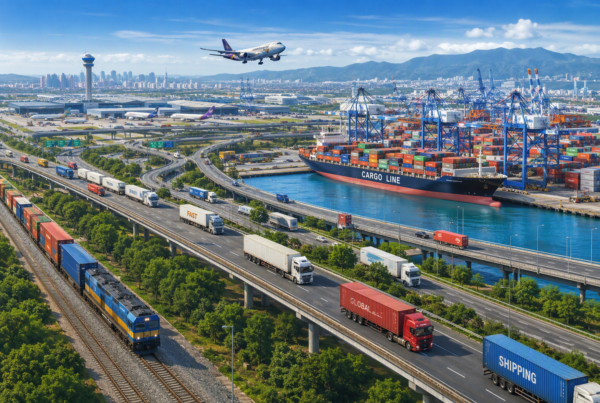
Behind this movement is a vast network of oil and gas logistics for the industry—connecting wells, processing facilities, storage terminals and end-users across the country. Coordinating these movements falls to a mix of players—oil and gas companies, third-party logistics providers, carriers, and infrastructure specialists—each working to deliver fuel safely, reliably, and on time.
Whether you’re hauling jet fuel to airports or natural gas to power plants, the logistics behind the scenes keep the energy sector running.
The Oil and Gas Supply Chain
The oil and gas industry relies on a well-oiled supply chain to move fuel from source to destination. It starts with raw materials extraction and ends with refined products to market.
Key Stages:
-
Extraction of crude oil and gas
-
Conversion at processing facilities
-
Temporary holding at storage facilities
-
Delivery via pipeline or transport fleet
Smooth coordination across gas supply chains prevents bottlenecks, reduces delays and supports product availability.
-
Inventory management plays a big role
-
Strong supply chain efficiency gets the right oil and gas products to the right places
Modes of Transportation: Moving Oil and Gas Across the Country
In the US, moving oil and gas involves multiple modes of transportation, chosen based on distance, product type and infrastructure availability.
Common Modes:
-
Tank trucks – Short-haul solutions
-
Oil tankers – Long-haul and international transport
-
Rail – Inland and pipeline-limited areas
-
Distribution pipelines – High-volume gas transportation
Factors to consider:
-
Hazardous materials handling
-
Total transportation costs
-
Regulatory and compliance requirements
-
Cost savings opportunities
Choosing the right mix keeps oil transport and gas logistics intact, safe and fast.
Logistics Operations and Technology
Modern logistics operations use advanced tools to support transportation and planning.
Core Technologies:
-
Automated inventory management systems – Improve tracking and accuracy
-
Predictive maintenance – Reduce breakdowns and downtime
-
Route optimization – Helps fleets optimize operations and stay seamless
These also support:
-
Real-time visibility
-
Supply chain control
-
Smarter planning and technology integration
As technology evolves, the oil and gas industry gets new ways to react faster, reduce waste and improve outcomes.

Managing Risks and Compliance
Fuel transport is high risk and requires strict adherence to safety protocols and compliance safety regulations.
Key Risk Mitigation Strategies:
To protect people, freight, and infrastructure, oil and gas logistics providers rely on:
-
Federal and local compliance
-
Following DOT, FMCSA, and hazmat regulations to meet all legal safety standards
-
-
Specialized equipment and containment
-
Using properly maintained tankers, leak-proof valves, and safety-rated containers to reduce the risk of spills or explosions.
-
-
Strategic routing
-
Avoiding high-population and environmentally sensitive areas to reduce exposure and incident potential.Environmental Responsibility:
-
Environmental Responsibility in Fuel Transport
Sustainability is becoming a top priority across the oil and gas logistics industry. Companies are working to:
-
Reduce carbon footprint
-
Through route optimization, idle reduction, and use of fuel-efficient vehicles.
-
-
Address environmental risks
-
By improving spill response protocols and investing in cleaner technologies.
-
-
Support long-term environmental goals
-
Aligning operations with ESG (Environmental, Social, Governance) commitments and customer expectations.
-
Compliance isn’t optional—it’s necessary to minimize risk, protect communities and safeguard long-term operations across gas logistics.
The Cost Factor: Balancing Efficiency and Operational Costs
Operational costs in oil and gas logistics can fluctuate quickly based on fuel prices, regulations and equipment maintenance.
Cost Control Strategies:
-
Smarter transportation modes
-
Route optimization
-
Proactive planning
Demand forecasting is another powerful tool—it allows logistics teams to:
-
Predict volume needs
-
Reduce last minute runs
-
Timely delivery
-
Smooth operations
Investing in efficiency means better performance, lower costs and fewer delivery disruptions for oil movement.
Future of Oil and Gas Logistics
Looking ahead, future of oil and gas logistics is all about innovation and sustainability.
Key Trends:
-
Advanced technologies (AI, IoT, automation)
-
Full supply chain digitization
-
Greener operations and reduced environmental impact
Environmental will influence:
-
Equipment selection
-
Routing decisions
-
Emissions policies
To keep up, oil and gas companies and the energy sector must be ready to adapt and overcome each logistical challenge that comes with modernization.
The Way Forward for US Oil and Gas Logistics
The future of oil and gas transportation is about getting the basics right:
-
Efficient operations
-
Strong compliance
-
Timely delivery
These pillars plus compliance, new technologies and smart planning will be the recipe for long-term success.
Every logistical challenge is an opportunity to improve. With strategy, teamwork and responsibility, the US oil and gas logistics is ready for the road ahead.