
Logistics jobs are at the very heart of how modern businesses work. They cover everything from getting the raw materials in to delivering finished products to customers. As the global trade, e-commerce, and distribution networks keep on expanding, logistics careers offer long-term potential across tons of different industries.
This overview is about what logistics jobs actually are, the type of roles out there, and how logistics careers tend to develop.
What Are Logistics Jobs?
Logistics jobs are all about planning, coordinating and overseeing the movement, storage and distribution of goods. They sit right at the intersection of transportation, inventory management and supply chain management, and that’s what makes logistics professionals so crucial in helping companies move products fast while also meeting customer demand.
In real life, logistics pros might:
- Coordinate transport and delivery routes
- Keep an eye on inventory levels across distribution centers
- Work closely with suppliers, carriers, and internal teams
- Keep detailed records and official paperwork up to date
- Figure out problems and come up with solutions in real time
Logistics jobs turn up in just about every sector, from manufacturing and retail to healthcare, food and drink and even the government. Whether they’re supporting massive corporations or smaller businesses, logistics professionals are a critical part of day-to-day operations.
What Is a Career in Logistics?
A logistics career isn’t just one single job title, it’s lots of different careers across operations, planning, analytics and leadership. Logistics careers often develop over time as professionals gain experience across different bits of the logistics and supply chain machine.
Within the logistics industry, career paths can take you to roles like:
- Logistics managers
- Supply chain managers
- Fleet managers
- Even up to VP or chief supply chain officer positions
Because logistics supports the whole product life cycle, the experience you gain in one role often applies to another. This flexibility means logistics pros can adapt as industries, tech and business needs change.
Common Logistics Jobs (Examples)
Below are some logistics jobs, grouped by function. These roles all work together to get goods moving from start to finish.
Transportation & Fleet Roles
These roles are all about moving freight and working out the most efficient transportation networks.
- Logistics coordinator
- Fleet managers
- Transport planners
People in these roles often work on route optimization, delivery schedules, and carrier coordination to improve cost effectiveness and service levels.
Warehouse & Distribution Roles
These jobs are all about getting products in and out, supporting distribution centers.
- Warehouse associates
- Inventory specialists
- Operations supervisors
These roles help keep track of inventory, manage incoming and outgoing shipments, and make sure orders get fulfilled for customers.
Planning, Purchasing & Supply Chain Roles
These positions are all about finding that perfect balance between supply and demand.
- Supply chain managers
- Purchasing managers
- Demand planners
These professionals work closely with suppliers, manage raw materials, and help companies meet demand while keeping costs down.
Analytics, Systems & Support Roles
These roles all about having visibility, reporting, and process improvement, while using data and tech to make decisions.
- Logistics analysts
- Logistics specialists
They might be using advanced analytics, reviewing labor stats, and looking at the latest data to help companies streamline processes and boost efficiency.
Logistics Career Paths: How Roles Connect Over Time
Logistics careers don’t usually follow a single, straight path. Instead, professionals tend to move around and gain experience in different areas. They might move from execution-focused roles into leadership positions, or expand their responsibility from one function to another.
Common patterns include:
- Progressing from roles that focus on execution into leadership roles
- Taking on more responsibility across distribution, transport and procurement
- Broadening their oversight from one function to the whole process
Because logistics roles are all connected, skills and experience transfer across roles, making it way easier to grow within the logistics industry.
Core Skills Used Across Logistics Jobs
While responsibilities vary, most logistics jobs rely on a shared set of basic skills. These skills help logistics pros operate effectively in fast-paced environments.
Common skills include:
- Being able to think critically and solve problems
- Being able to communicate and co-ordinate with teams
- Being able to keep an eye on details when managing paperwork and systems
- Responding quickly to disruptions or unexpected issues
Logistics pros often work with data, documentation and systems that support transportation, inventory and distribution. These transferable skills are useful in a whole range of different industries.
Education and Experience in the Logistics Industry
Logistics careers come from a wide range of educational backgrounds and prior experience. Some roles focus more on hands-on experience, while others may prefer formal education.
Across the logistics industry, professionals come from a range of educational paths and prior experience. Over time, many build expertise by working closely with logistics operations, systems and cross-functional teams.
For a detailed breakdown of logistics degrees, certifications and training options, see our guide on logistics education and credentials.
Industries That Rely on Logistics JobsLogistics jobs play a vital role in a multitude of industries including:
- Manufacturing and industrial production (you might be surprised at how many goods come to you from a factory on the other side of the country)
- Retail and e-commerce (with online shopping on the rise, logistics professionals help make sure your stuff shows up on time)
- Food and beverage distribution (think about all the food trucks and grocery deliveries that happen every day)
- Healthcare and pharmaceuticals (getting life saving medicines to hospitals and patients is a critical job)
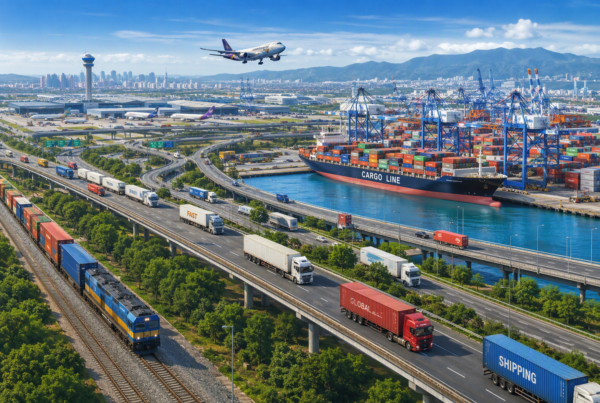
- Transportation and distribution services (think trucking, shipping and airline delivery services)
- The public sector and US government (logistics plays a role in everything from military equipment to social security checks)
This broad industry presence is a big reason why logistics jobs tend to grow consistently and remain in high demand long-term – there are always going to be goods that need to get from point A to point B and logistics pros who make it happen.
Why Logistics Careers are On the Rise
As supply chains get more complicated – and they are getting more complicated all the time – businesses turn to logistics pros to help them cut costs, meet customer expectations and streamline their operations. Every industry – retail, healthcare, manufacturing, you name it – relies on logistics teams to get the job done.
The data is clear: there is strong demand for logistics careers as businesses prioritize reliability, visibility and performance across their supply chains.
Getting into a Career in Logistics
If you’re thinking of a career in logistics, one of the first things you need to consider is what role you’re interested in. Logistics jobs span a range of different areas including transportation, warehousing, planning, analytics and customer facing work.
Some people start their careers in logistics right off the bat. Others make the transition over from related fields like operations, manufacturing or customer service.
If you’re looking for entry-level roles or want to learn more about getting started in logistics, we have a guide on how to get into logistics
Final Thoughts – Is a Logistics Career Right for You?
Logistics offers a ton of different career paths, flexible opportunities and long term growth prospects – you can work your way up the ranks from an entry level role to senior leadership. And the thing is, logistics pros play a vital role in how businesses move goods and serve customers.
If you enjoy problem solving, working with data and systems, and thrive in fast paced environments, a logistics career might be the perfect fit for you – with a mix of stability and growth in a constantly evolving industry.