What Is Flatbed Transport and How Does It Work?
When it comes to moving large or oddly shaped cargo, flatbed transport stands out as one of the most flexible solutions in the freight industry. Unlike enclosed trailers, flatbed trucks and flatbed trailers offer an open platform that allows cargo to be loaded from the sides, top, or rear—making it ideal for freight that won’t fit within standard dimensions.
Flatbed shipping is commonly used for moving:
-
Construction materials
-
Steel beams and piping
-
Lumber and timber
-
Industrial equipment
-
Vehicles and machinery
These shipments often require specialized loading and securement techniques to move the freight safely and efficiently. Whether you’re transporting long beams of metal or bulky construction cargo, flatbed freight offers the versatility to get it from point A to point B without the limitations of a closed trailer.
When Should You Choose a Flatbed Trailer Over Enclosed Trailers?
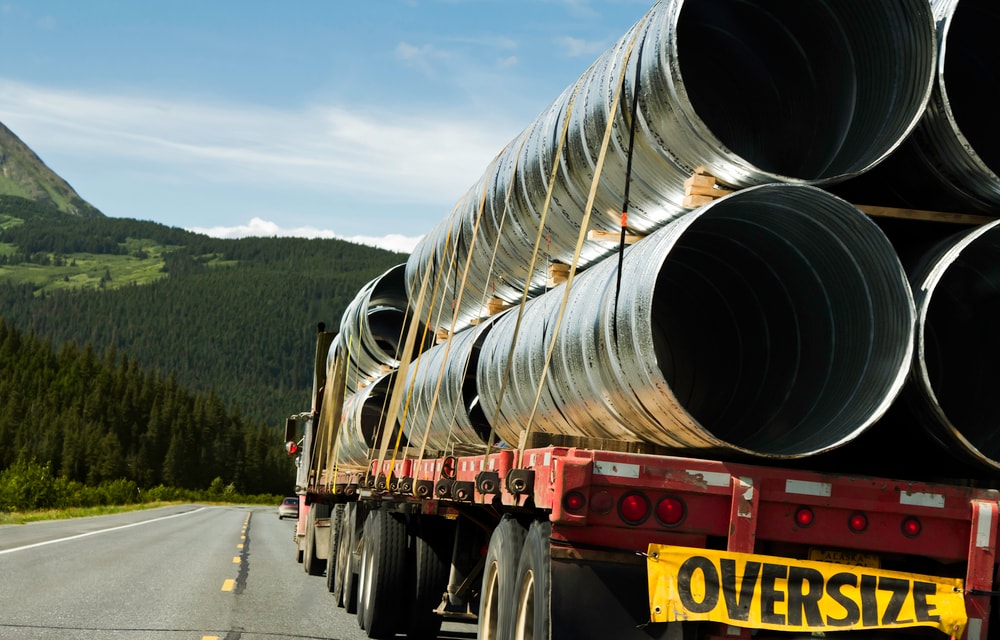
Not every shipment fits inside a standard trailer. When you’re dealing with oversized loads, bulky machinery, or building materials that exceed the height or width limits of an enclosed trailer, flatbed trailers are often the better choice. Flatbed trailers offer open access and fewer dimensional restrictions, making them ideal for transporting large freight, heavy equipment, and vehicles.
Choose a flatbed trailer when:
-
Your cargo is too wide or tall for enclosed trailers
-
The freight needs to be loaded by crane or forklift from the side or top
-
You’re shipping to a site without a loading dock
-
Your load includes heavy machinery or bulky building materials
For freight that’s too tall for a standard flatbed, a step deck trailer, also known as a drop deck, can accommodate taller equipment by offering a lower deck height. And when moving extremely tall or heavy machinery that requires even more flexibility and easy loading from the front, a removable gooseneck (RGN) trailer provides a strong alternative. These specialized trailers allow the front to detach, letting machinery drive directly onto the deck.
If your shipment exceeds standard weight limits or physical dimensions, or simply can’t be loaded into a van, a flatbed shipment may be the only viable option.
Types of Flatbed Trailers and Their Capabilities
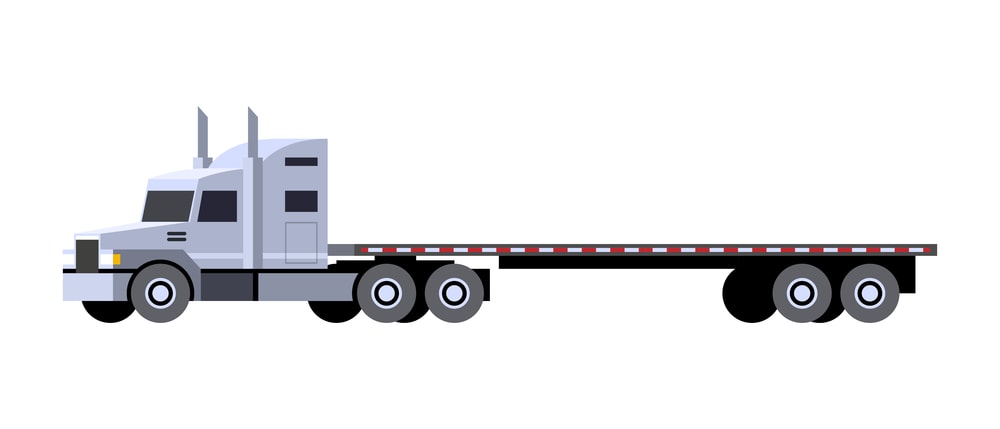
Not all flatbed trailers are built the same. Each trailer type offers different loading options, weight limits, and dimensional specs to meet a variety of freight needs.
-
Standard Flatbed Trailer
-
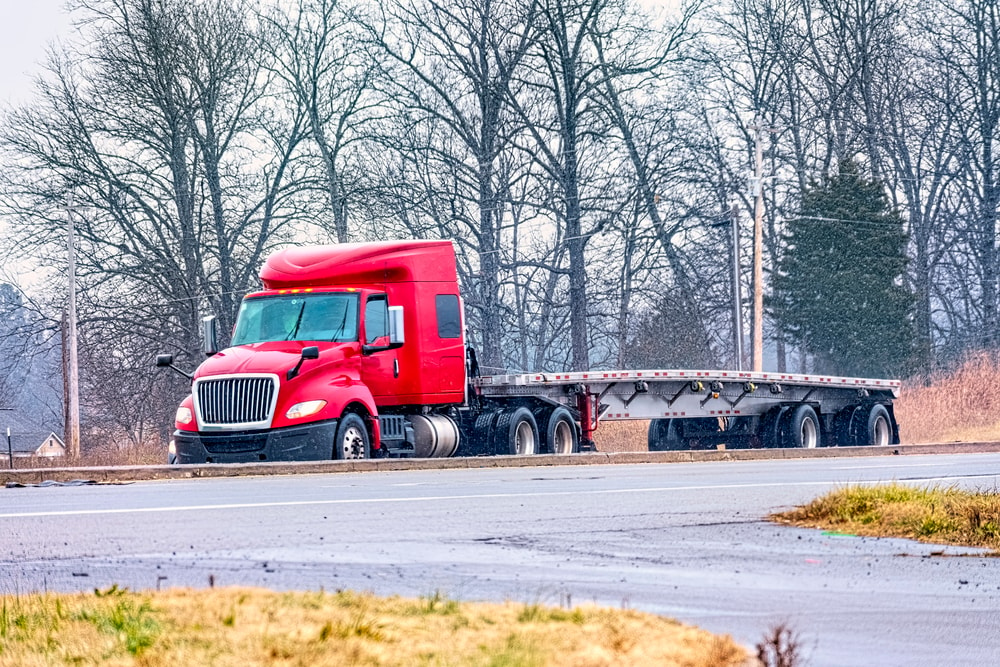
A flat, level deck—ideal for hauling steel, pallets, lumber, and other uniform cargo. Easy access from all sides.
-
-
Step Deck (Drop Deck) Trailer
-
Two deck levels: an upper and lower deck. Allows for taller freight to stay within legal height limits.
-
-
Double Drop Trailer
-
Includes a well between the front and rear deck—perfect for heavy equipment or tall industrial machinery.
-
-
Removable Gooseneck (RGN) Trailer
-
The front detaches, allowing vehicles or machinery to be driven directly onto the deck. Common in construction and agricultural shipping.
-
Important flatbed specs to consider:
-
Maximum width: 8’6”
-
Standard weight capacity: 42,000–48,000 lbs (depending on axle setup)
-
Tarp clearance may reduce usable height—especially with Conestoga flatbeds
These trailers are designed to support crane or forklift access, making it easier to load freight that’s oversized, irregularly shaped, or too heavy for manual handling. Depending on the trailer type, the capacity, width, and length may vary, so it’s important to match the right trailer to your shipment.
How Flatbed Equipment Supports Easy Loading and Unloading
One of the biggest advantages of flatbed equipment is the flexibility it offers during loading and unloading. Unlike enclosed trailers, flatbeds allow easy loading from the side, rear, or even the top—giving shippers more access to move cargo without restriction.
Flatbeds allow:
-
Side, rear, or top access
-
Use of forklifts, cranes, and booms
-
On-site delivery without a dock
Because flatbeds don’t require a loading dock, they’re ideal for construction sites, remote areas, or any location without standard dock services. This makes them a go-to choice for industries moving building materials, machinery, or large freight in challenging environments.
Flatbed shipments often rely on equipment like forklifts, cranes, chains, and straps to safely load and secure the cargo. These tools help stabilize heavy or uneven freight and reduce the risk of shifting during transit.
Load Securement: Keeping Your Freight Safe
With flatbed shipping, load securement is critical. Since the freight is exposed to the elements and road conditions, proper tie-down methods are essential to safely move cargo from origin to destination. Depending on the type of freight, drivers use chains, straps, and tarps to secure and protect the load.
Chains are typically used for heavy-duty freight like steel or industrial machinery, while straps are better suited for lighter items or those that need more surface coverage. Tarps provide weather protection—especially important when hauling materials like roofing supplies or equipment sensitive to moisture.
Strong security measures help reduce risk, prevent cargo shifts, and support road safety for everyone. Whether you’re hauling machinery, metal coils, or construction materials, proper securement ensures your freight arrives intact.
What Can You Ship on a Flatbed?
Flatbed freight covers a wide range of cargo types—especially items that are too wide, tall, or irregularly shaped for enclosed trailers. Flatbeds are commonly used to haul lumber, heavy equipment, vehicles, and large pieces of industrial machinery.
They’re also ideal for transporting building materials like steel beams, piping, and roofing supplies. Because flatbeds can handle oversized loads and freight with unique dimensions, they offer the flexibility needed for complex or large-scale projects.
Whether the freight is tall, wide, or simply doesn’t fit inside a standard trailer, flat trailers give shippers the open space they need to move large and unconventional cargo.
Industry Applications: Who Uses Flatbed Shipping?
Flatbed shipping plays a key role across several major industries—especially those moving large or irregular cargo. Construction companies rely on flatbeds to transport building materials, scaffolding, and oversized equipment. In manufacturing, flatbeds are used to move machinery and parts that don’t fit inside standard trailers.
The agriculture and energy sectors also depend on flatbed freight for hauling tractors, turbines, and other specialized equipment. These industries often face unique shipping needs, requiring trailers that can accommodate non-standard shipments.
If your business regularly moves bulky or heavy items, flatbed transport offers the flexibility to meet those demands across a range of industries.
Cost Considerations for Flatbed Shipments
Several factors influence the total cost of a flatbed shipment, including the freight’s dimensions, weight, final destination, and specific loading or equipment needs. Larger or heavier loads typically come with higher rates, especially if they require special handling or permits.
That said, flatbed can often be the most cost effective option—especially when you’re moving freight that can’t be transported any other way. For businesses shipping directly to a job site or a location without a dock, flatbeds help save on time, labor, and additional transfer costs.
To get the best value, work with a provider who can help create a plan based on your shipping and freight needs from point A to point B.
How to Know If Flatbed Shipping is Right for Your Freight?
For shippers evaluating transport options, it’s important to ask a few key questions:
-
Is my cargo too tall, wide, or irregular for an enclosed truck?
-
Do I have access to a loading dock, or will this need to be loaded from the side or with special equipment?
-
Can the freight be safely tarped for protection during transit?
If the answer to any of these is yes, flatbed may be the right fit for your shipping needs. Because flatbeds offer versatility and open access, they support a wide range of services and load types—especially for freight that doesn’t follow standard dimensions.
To find the best option, connect with a logistics team that understands flatbed capabilities and can offer guidance, planning, and even real-time tracking to keep your shipment moving smoothly.