
Understanding Dry Van Trailers
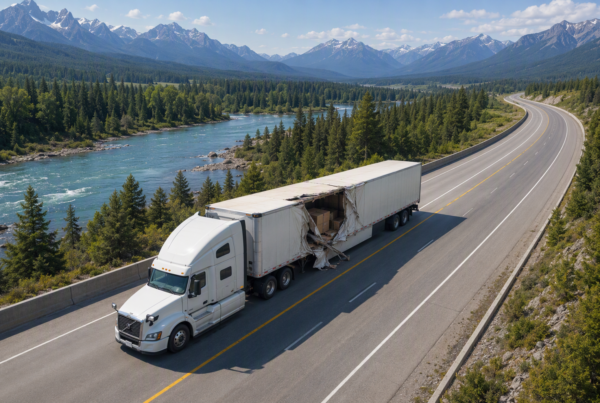
Dry van trailers are a staple in the logistics industry, with their enclosed design that protects cargo from external elements like moisture, dust, and road debris. Dry van trailers play a crucial role in the transportation industry, moving goods across the country and supporting the national economy. Dry van trucks are a common sight in freight transport, known for their versatility and ability to carry a wide range of non-perishable goods. Dry vans typically feature an enclosed container, have specific size and weight limitations, and do not offer temperature control, which can pose challenges for certain types of cargo. The dry van is the “go-to” trailer for hauling everything from consumer goods down to electronics. They are one of the most preferred options among shippers since they provide safe and effective ways of moving products over long distances.
The conventional 53-foot dry van trailer is one of the most common container types, but there are many other different types depending on what specific needs a shipment may have. Dry van shipping is widely used in logistics for its ability to protect freight from weather and road conditions, making it ideal for non-perishable cargo. These vans protect freight against the wear and tear that will come from being on the road. Businesses can count on dry vans to handle their bulk shipments, offering a practical and flexible transportation solution.
Types of Dry Van Trailers
Standard Dry Vans
The most common type of trailer for both LTL and full truckload freight is the standard dry van. This kind of trailer features strong aluminum walls and doors that are safe for loading and unloading cargo. Inside, it is quite big and can contain several kinds of items such as pallets, furniture, and other kinds of heavy freight.
Straight Trucks & Box Trucks
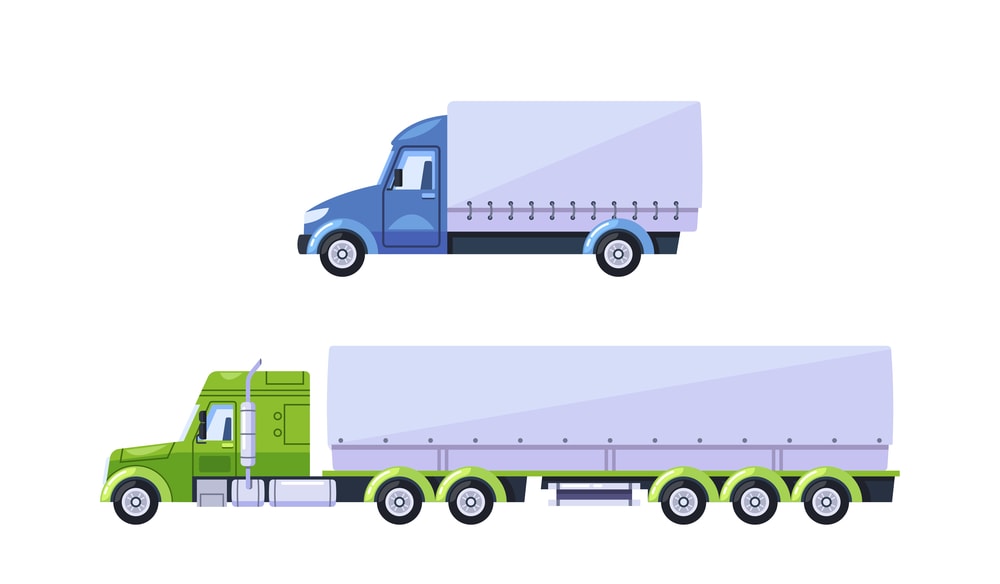
Straight trucks and box trucks are smaller compared to the usual dry van trailers and are used only when there is a need for deliveries that are shorter and more local. They are compact in design so they work well in making urban and residential deliveries or when tight spaces on narrow streets could be problematic to maneuver. Many of them offer lift gates, which make it easier when loading and unloading items.
53-Foot Dry Vans
The standard semi-truck trailer size is 53 feet in length and is considered a dry van. This size serves best for larger shipment loads. Since the dry van offers the most space out of an enclosed trailer, this is often used for businesses that have shipments larger or more bulky. These vans are a lifesaver for businesses that transport massive amounts of stuff over long distances. They can hold almost anything you can imagine.
Trailer Specifications
When it comes to transporting cargo efficiently, understanding the specifications of your trailer is essential. Dry van trailers are among the most widely used van trailers in the trucking industry, and their standard dimensions make them a versatile choice for a variety of freight. A typical dry van trailer measures 53 feet in length, 8.5 feet in width, and about 9.5 feet in height, offering ample space for most non-perishable goods. The deck height of a dry van is usually around 4 feet from the ground, which allows for easy loading and unloading at most docks.
In terms of weight capacity, dry van trailers can generally handle up to 45,000 pounds, making them suitable for heavy loads within standard legal limits. Most dry vans feature swing doors at the rear for secure access, and many are equipped with load bars or straps to keep cargo stable during transit. These features help ensure that freight arrives safely, even on long hauls.
For shipments that require temperature control, refrigerated trailers (also known as reefers) come with specialized refrigeration units and insulated walls to maintain a specific temperature range, making them ideal for perishable goods. Flatbed trailers, on the other hand, are designed with an open deck and can accommodate oversized freight, heavy construction equipment, or raw materials that don’t need to remain dry. Some flatbeds feature step decks or double drop configurations to handle taller cargo or heavy industrial equipment.
By understanding the unique specifications of each trailer type, whether it’s a dry van, flatbed, or refrigerated trailer, shippers can select the right trailer for their cargo, ensuring operational efficiency and safe delivery every time.
Advantages of Dry Van Trailers
There are many advantages to using dry van trailers, the first being protection from the elements. Goods moved within a dry van are shielded from moisture, dust, and oncoming road debris because of the full enclosure of the trailer. Most shipments are not temperature-controlled; so, dry vans provide a safe way of moving furniture, building materials, and other commodities that are nonperishable. Additionally, dry van trailers are known for their cost effectiveness, making them a smart choice for many types of shipments where budget and value are important.
They are also extremely versatile in being able to haul different cargo types. Unlike flatbed or temperature-controlled trailers, dry vans are capable of handling a variety of shipments-from heavier business goods to smaller, palletized items. This makes dry van trailers an option to consider in many industries, ranging from retail to manufacturing. Selecting the right trailer is crucial for moving freight efficiently and safely, ensuring that cargo arrives in good condition and logistics operations run smoothly.
Dry vans are designed for easy loading and unloading which makes them very accessible. The vans have doors and sometimes lift gates that make it simpler for the shippers, particularly for LTL shipments or deliveries over short distances. They are great for companies seeking a reliable but simple means of transportation.
Use Cases for Dry Vans
Business Logistics
Dry van trailers are a good solution for businesses that need to move materials and goods safely from one destination to another. The appeal here would be particularly to businesses concerned with safe and efficient methods of transportation. They are especially good at keeping goods in pristine condition while being transported either to warehousing units, distribution centers, or retail stores.
Specialized Shipments
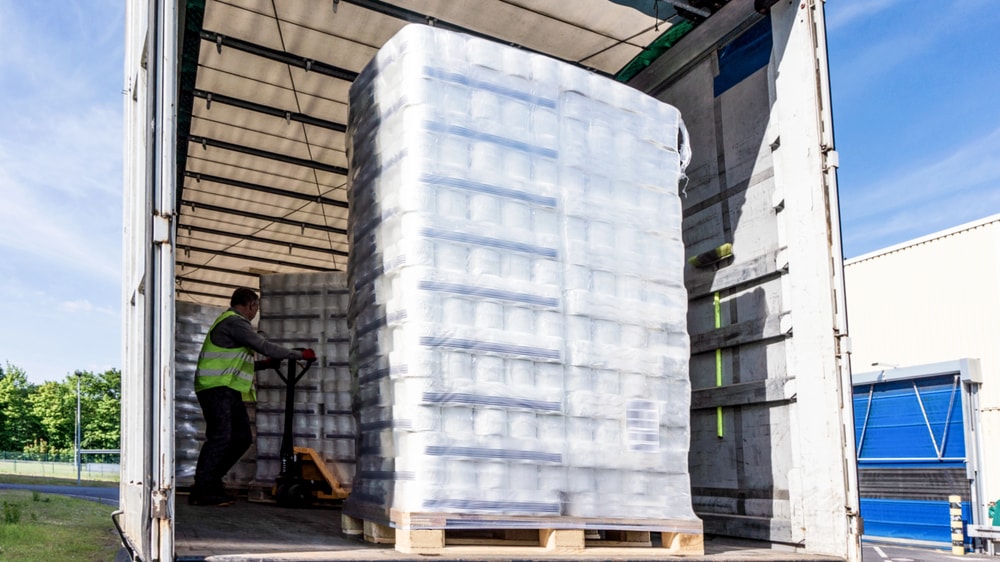
Dry vans are a popular choice for shipping furniture, building materials, and other goods. They provide reliable security and protection. They are also often used to haul appliances, electronics, and packaged foods that do not need refrigeration but must be treated with a great deal of care. That is why dry vans are so popular within different industries; there is a continuous need to ship large volumes of either boxed or palletized goods. They also can be used for LTL shipments just as easily as full truckload freight, which expands their range for use, whether you are shipping just a few pallets or a full truckload of merchandise.
How Dry Vans Compare to Other Trailers
One of the major differences between a dry van and a flatbed trailer is the protection that the cargo would receive. Dry van trailers are fully enclosed, protecting goods against bad weather conditions, road debris, and theft. These make them an excellent choice in the movement of goods that must remain intact and be untouched during transportation. In contrast, flatbeds are exposed to view on all sides. This makes them perfect for big or strangely-sized items, such as construction materials, steel coils, heavy equipment, or other machines that cannot fit in an enclosed space. Flatbeds are commonly used to transport cargo that is bulky or irregularly shaped.
Flatbeds also include step deck trailers, which feature two deck levels: an upper deck and a lower deck. The main deck, or lower deck, allows for hauling taller or oversized freight that would not fit on a standard flatbed, while the upper deck provides additional flexibility for loading. The design of step deck trailers with multiple deck levels helps with load height, ease of unloading, and improved stability, making them ideal for transporting heavy equipment and tall cargo.
Loading and unloading also differ between these two trailers. Generally, the loading of dry vans is done through the back doors, and since they are enclosed, they often require loading via a loading dock. A flatbed, on the other hand, is super convenient because one can load from the side or even overhead, which makes it perfect for heavy items requiring cranes or forklifts.
Dry van trailers are also ideal for freight that requires absolutely no temperature control, such as boxed goods, clothes, or household items. Meanwhile, temperature-controlled trailers, now known as reefer trailers, are for products that need to maintain a certain temperature, such as produce, dairy products, or frozen foods. Reefer trailers are equipped with refrigeration units that provide climate control, making them essential for transporting perishable items and temperature-sensitive goods. Dry vans are perfect for transporting everyday items. They’re safe and easy to use, without needing any fancy equipment. But if you’re shipping things that can’t handle temperature changes, like food or medicines, you’ll need a refrigerated trailer.

Choosing the Right Dry Van Trailer
Selecting the right dry van trailer for your shipment is a crucial step in ensuring your freight arrives safely and efficiently. Start by considering the type and size of your cargo. Dry van trailers are ideal for transporting non perishable goods such as household items, canned goods, and construction materials that do not require temperature control. Their enclosed design protects cargo from outdoor elements, making them a cost-effective and reliable choice for many shipping processes.
When evaluating which van trailer to use, pay close attention to the weight capacity and deck height to ensure your cargo fits comfortably and stays within legal weight limits. Loading flexibility is another important factor—features like load bars, straps, and swing doors can make a big difference in securing and handling your freight, especially for LTL shipments or when dealing with lighter loads.
It’s also important to think about any special requirements your cargo might have. For example, if you’re shipping perishable goods, a refrigerated trailer with precise temperature control will be necessary. For oversized freight or heavy construction equipment, flatbed trailers, step decks, or double drop trailers may be more appropriate. Specialized trailers like Conestoga trailers offer the same protection as a dry van but with a rolling tarp system for easy loading of tall freight or building materials.
By carefully matching your cargo’s needs to the right trailer type, whether it’s a standard dry van, a flatbed, or a specialized trailer, you can optimize your shipping processes, protect your goods, and keep your supply chain running smoothly.
Why Dry Vans are a Preferred Shipping Option
A dry van remains one of the most consistent shipping options in many industries, as it protects against bad weather, theft, and overall damage. Since they can handle an assortment of items, they are a popular choice for businesses that need safe and quick delivery options. Whether it’s consumer goods, electronics, or even non-perishables, dry vans can be flexible enough to handle various types of shippers.
At ShipEX Logistics, we leverage our pool of dry van trailers to provide relevant solutions that answer each client’s peculiar transportation needs. We collaborate with our clients to take good care of their freight and ensure timely delivery. Have questions about dry van trailers or need help choosing the right shipping option? Call us today. ShipEX Logistics will make organizing your freight a whole lot easier.