
What Is a Conestoga Trailer?
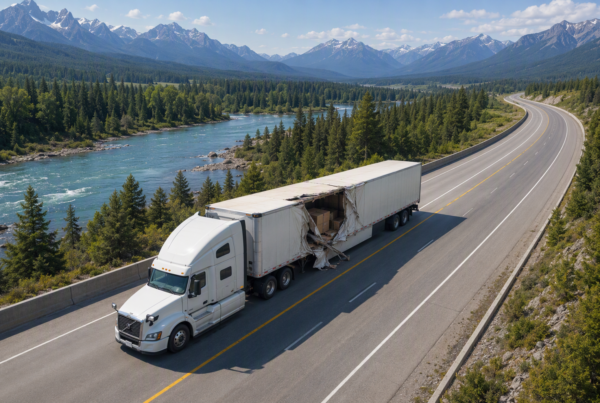
A Conestoga trailer is a flatbed trailer that protects cargo and offers open deck freight handling. What makes it different from a standard flatbed trailer or dry van trailer is the rolling tarp system, also known as a retractable tarp system.
This tarping system rolls along a track and creates an enclosed space, protecting from the elements, rain, snow and road debris. Unlike traditional flatbeds, no manual tarping is required, protecting cargo with less labor and risk.
Benefits:
-
Protects freight during transport
-
Allows side loading and rear deck access
-
For oversized loads, sensitive cargo and unusual shaped freight
Conestoga flatbed trailers are a popular solution in the trucking industry for loads that don’t fit in enclosed boxes or need more flexibility than a dry van can offer.
How Conestoga Trailers Work
Conestoga trailers are built on a flatbed frame, same as deck trailers but with added protection.
Features:
-
Retractable tarping system
-
Rear access via rear deck
-
Front cargo access at front deck
-
Side loading, rear loading and flexible unloading
The loading and unloading process is streamlined, especially for facilities without standard loading docks. Cargo is loaded from the side or rear depending on freight dimensions and access needs.
These trailers are used to ship open deck commodities like machinery, crates or palletized goods that need extra protection.
Types of Conestoga Trailers
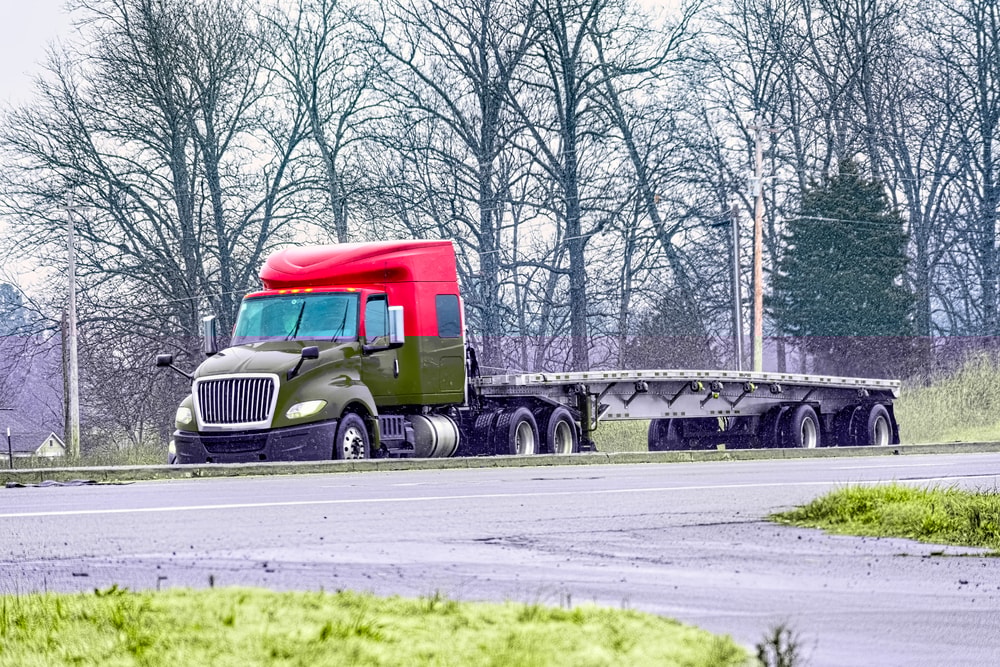
Conestoga trailers come in a few different styles, each designed to meet specific cargo requirements related to height, weight, and loading method. Below are the main types of Conestoga trailers and what sets them apart.
1. Flatbed Conestoga Trailers
Description:
-
Built on a standard flatbed trailer
-
Features a rolling tarp system for fast, full access
-
Typically used for palletized freight or uniformly shaped equipment
Best for:
-
Cargo that needs easy side or overhead access
-
Freight that doesn’t exceed standard flatbed height restrictions
2. Step Deck Conestoga Trailers
Description:
-
Two deck levels: an upper and lower deck
-
Allows for taller cargo by lowering the deck height
-
Rolling tarp system covers both levels
Best for:
-
Tall cargo that exceeds standard flatbed height limits
-
Equipment or freight that needs protection and loading flexibility
3. Double Drop Conestoga Trailers
Description:
-
Features a recessed well or “drop” in the middle of the trailer
-
Lower deck allows for extremely tall or oversized loads
-
Rolling tarp still provides full cargo protection
Best for:
-
Hauling specialized, heavy, or irregularly shaped equipment
-
Machinery like CNC systems or other freight requiring extreme height clearance
Conestoga Trailer Comparison:
Choosing the right flatbed conestoga, step deck conestoga, or double drop conestoga depends on your cargo’s size, shape and how it needs to be loaded.
Compared to other equipment types, Conestoga trailers are:
-
More flexible than box trailers, which require rear-only loading
-
More protective than standard open deck trailers, thanks to their rolling tarp system
-
More accessible than enclosed dry vans, offering easier side and top access for loading and unloading
Conestoga Trailer Dimensions & Weight Capacity
When choosing a trailer, dimensions and weight capacity are key—especially for oversized freight. Below is a breakdown of the typical specs for different types of Conestoga trailers.
Flatbed Conestoga Weight Capacity:
Weight Capacity:
42,000–48,000 lbs (varies based on axle setup)
Typical Dimensions:
-
Maximum Width: 8’6”
-
Deck Length: Usually 48’–53′
-
Deck Height: Approximately 60″ off the ground
-
Tarp Clearance: Slightly reduced compared to open flatbed
Use Case Notes:
-
Ideal for palletized freight or uniformly shaped cargo
-
Great for freight that needs full coverage without losing accessibility
Double Drop Conestoga
Weight Capacity:
Similar range to flatbed (varies by trailer build and axle setup)
Typical Dimensions:
-
Maximum Width: 8’6”
-
Front Deck Height: ~60″
-
Lower (Well) Deck Length: ~25’–30′
-
Lower Deck Height: ~18″–24″ off the ground (allows for tall freight)
-
Rear Deck Height: ~40″–42″
Use Case Notes:
-
Designed to accommodate freight that exceeds legal height limits on standard trailers
-
Commonly used for heavy equipment, tall machinery, or specialty items
Things to Keep in Mind:
-
Tarping systems may reduce usable interior height and width
-
Always factor in both deck height and tarp clearance
-
Knowing the correct specs upfront helps prevent DOT violations and complications with dock access or freight compatibility
When to Use a Conestoga Trailer
Conestoga freight trailers are for cargo that needs protection and flexibility.
Best Used For:
-
Sensitive cargo that can’t be exposed to weather
-
Oversized freight that exceeds dry van limits
-
Unusual shaped freight that can’t be boxed
-
CNC machinery, heavy equipment, or large freight
These trailers excel in the trucking industry when manual tarping is risky or slow and when loading and unloading needs to happen outside a traditional dock environment.
If you haul open deck commodities regularly, a conestoga flatbed may be the trailer for you.

Conestoga Trailer Benefits
Conestoga trailers offer safety, convenience and cargo accessibility.
Why Shippers Choose Conestoga Trailers:
-
Tarp system provides full weather protection
-
Speeds up loading and unloading
-
Reduces labor with no manual tarping
-
Allows for side loading and rear access
-
For a wider range of freight types than standard flatbeds
This makes them a good alternative to enclosed boxes or open tarped flatbeds for high-value or oversized goods.
How to Choose
Choosing the right trailer comes down to a few things.
Consider:
-
Type and size of equipment being hauled
-
Freight weight and dimensions
-
Access needs at your loading dock
-
Whether your cargo needs an upper deck, lower deck or recessed design
Trailer Options:
-
Conestoga flatbed trailers – For general freight
-
Step deck Conestoga trailers – For taller or stacked loads
-
Double drop Conestoga trailers – For oversized equipment with extra height needs
Match your load to the right trailer for efficiency and compliance.
Conclusion
Conestoga trailers are a smart choice for shippers who need both accessibility and protection. Their retractable tarping system makes them a must-have in today’s trucking industry for loads that can’t be manually tarped or boxed.
From CNC machinery to oversized loads, Conestoga flatbed trailers offer a safe, versatile way to protect cargo without sacrificing speed or flexibility.
Before your next shipment, evaluate your loading and unloading requirements and freight specs to determine if a flatbed Conestoga, step deck or double drop Conestoga is the right trailer for you.