
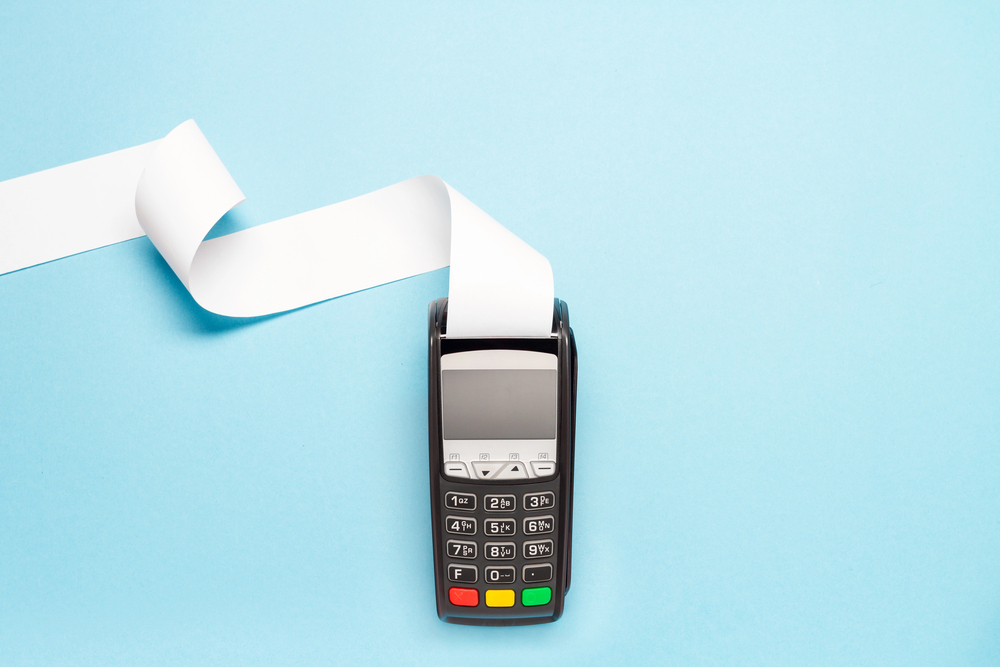
If you’ve ever pulled into a grocery warehouse or distribution center to watch those dollars disappear to third party workers you didn’t hire – you know how much of a pain lumper fees can be. But what really is a lumper receipt, why are these costs around and why can’t you just avoid them? This guide does the legwork, breaking down the lumper receipt meaning, tracing the origins of handling fees, and laying out why so many of these costs are simply unavoidable in modern trucking operations.
Key Take Aways
- A lumper receipt is the official confirmation of payment for lumper services at a warehouse or distribution center. It’s the proof that outlines the date, time, amount, dock location and what actually got done.
- Lumper and handling fees are driven by very real labor costs, equipment overheads and compliance requirements, it’s not a random “extra charge”.
- A lot of lumper costs just can’t be avoided because of labor laws, facility policies, workers compensation insurance requirements, and high volume warehouse operations.
- Clearing up lumper receipts digitally helps fleets keep track of their handling costs by lane and receiver, reducing disputes and speeding up the reimbursement process.
- Tracking those receipts over time lets you get a better idea of what your handling expenses are and set smarter prices on lanes with known high handling costs.
What Is a Lumper Receipt?
A lumper receipt is the proof of payment for third party lumper service work. That means it’s specifically for the loading and unloading of freight at a warehouse dock when you show up and instead of doing it yourself, lumper workers do it for you. It’s the receipt that links that particular truck, load, and stop to the charge involved.
This receipt is basically the key document for getting reimbursed and keeping tabs on your expenses. Without it, you and the driver can struggle to get reimbursed for expenses from freight brokers, shippers or receivers. Lumper receipts can be a paper slip handed to the driver at the dock or digital records created through a payment or TMS platform.
It also proves that handling services were actually done. If a dispute, audit, or damage claim comes up later on, a proper lumper receipt can be the difference between getting it sorted out quickly or getting dragged down in paperwork.
What Info Is On a Lumper Receipt?
Freight auditors, payables teams and brokers all rely on specific data fields in a lumper receipt to clear reimbursement. And if a lumper receipt is incomplete, it often gets rejected which can leave you waiting around for days or even weeks for payment.
Typical fields include:
|
Field |
Description |
|---|---|
|
Date and time |
Exact timestamp of service |
|
Facility name and address |
Where freight delivery occurred |
|
Dock number |
Specific loading docks or bay used |
|
Trailer/load number |
Ties receipt to the shipment |
|
Carrier/driver name |
Who paid the fee |
|
Total lumper fee |
Amount paid |
|
Line items |
Tasks performed (unloading, restacking, sorting by SKU, shrink wrapping) |
|
Surcharges |
Overtime, after-hours, or special handling |
|
Reference numbers |
PO, BOL, or broker reference |
|
Signatures/approvals |
From dock staff or supervisors |
Modern digital receipts also show payment method (fleet check, fuel card, virtual card, ACH) and authorization IDs. This speeds reconciliation and reduces manual research when the back office processes lumper payments.
Where Do Lumper Costs and Handling Fees Really Come From?
The costs that are documented in a lumper receipt are actually tied to very real operational needs at high volume docks. It’s worth understanding what drives these fees.
Labor drivers:
- Hourly rate for lumper workers typically runs $15-25 per hour depending on region and shift
- Overtime premiums for nights, weekends, and peak seasons
- Payroll taxes and benefits required by state and federal law
- Crews of 2-4 workers per truck to meet tight delivery schedules
Facility and equipment overhead costs:
- Forklifts, pallet jacks, dock doors
- Refrigeration units for perishable or frozen cargo
- Maintenance and energy costs in 24/7 grocery distribution warehouses
- PPE and OSHA-mandated safety training
Handling complexity:
- Breaking down mixed pallets
- Case picking for retailers
- Relabeling freight to match routing guides
- Reconfiguring loads to match store planograms
Compliance and safety costs:
- Temperature-control documentation for perishable goods
- Audit-ready records for food warehousing companies
These underlying labor costs and overhead explain why lumper fees range from roughly $75 on a light load up to $450+ on complex, labor-heavy stops.
Why Lumper and Handling Costs Aren’t Always Avoidable
Even when you’d prefer to unload freight yourself, lumper and handling fees persist because of the underlying structure. It doesn’t matter if you could do it better, or if you think it’s a waste of cash, lumper and handling fees are a structural part of modern trucking operations.
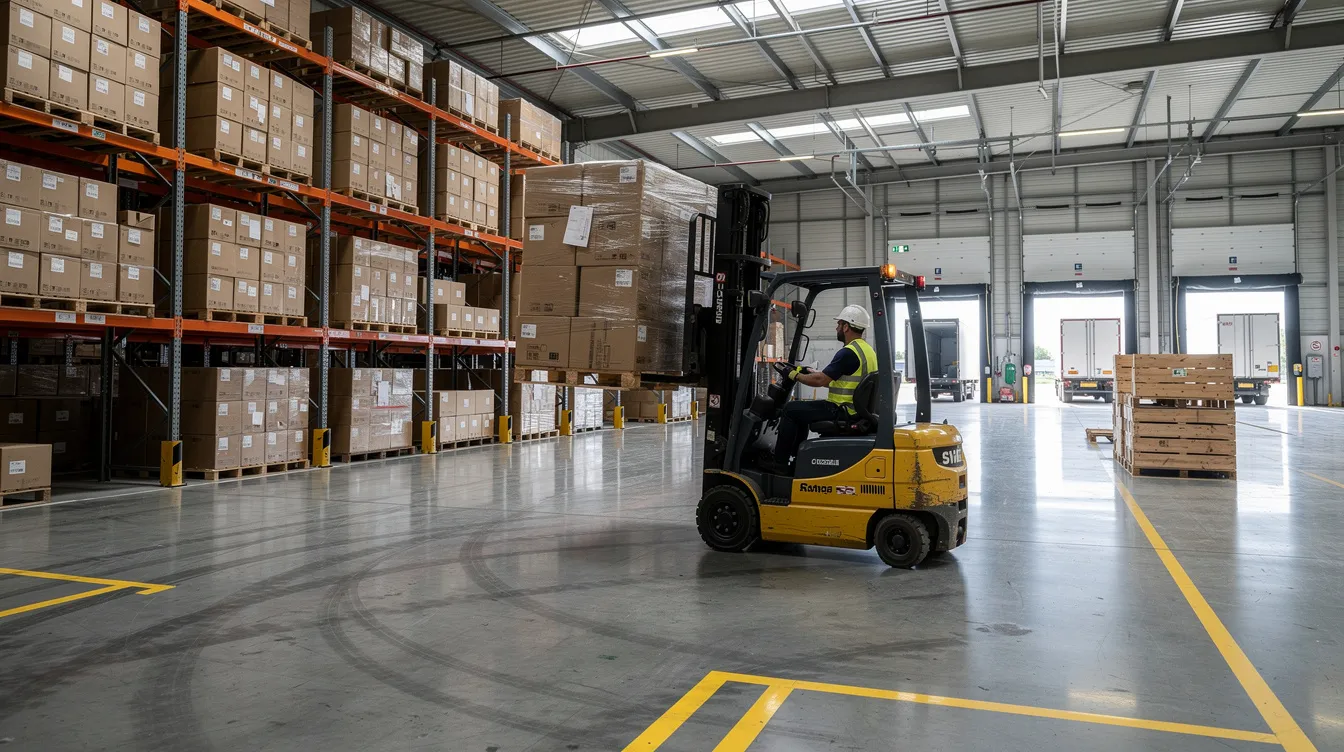
Warehouse staffing limits: Many food warehouses and retail DCs in major markets like Dallas-Fort Worth, Chicago, and Atlanta rely on third party companies because warehouse staff cannot keep up with peak volume. Lumper companies provide crews that process trucks 2-3 times faster, minimizing detention fees that might exceed the lumper charge itself.
Contractual agreements and policy barriers: Some of the big national grocery chains and big-box retailers have rules which prohibit drivers from handling their own freight on-site, this means that even if drivers really want to do the job themselves, contractual agreements with approved lumper vendors mean that they’ve got to use those crew to do the job anyway.
Legal and liability constraints: Using 3rd party crews is a lot cheaper for shippers & receivers than it is for them to use drivers because the safety risks and insurance implications of having a driver hurt on the job just make it cheaper to go with 3rd party workers, also these 3rd party services carry their own insurance so the liability exposure is reduced.
Scheduling realities: Tight appointment windows mean loads must be turned quickly for efficient operations. Specialized unloading crews can process more trucks per hour than drivers unloading themselves. Even when a driver is willing and physically able to unload, facility rules, union contracts, or security protocols often leave no real alternative to paying a lumper
How Lumper Receipts Protect Drivers, Carriers, and Brokers
Lumper receipts are not just a piece of paper to be thrown away, they protect all parties in the supply chain.
For truck drivers: Receipts show exactly what the driver pays on a given date and dock. This is crucial for getting reimbursed within the correct pay period.
For carriers and small fleets: Lumper receipts help build an accurate picture of per-stop handling costs by lane, customer, and facility. This data informs pricing and contract negotiations, revealing which receivers consistently drive higher costs.
For freight brokers and 3PLs: Detailed receipts reduce chargeback risk from shippers and provide a clear audit trail for disputes about accessorials. When a shipper questions additional fees, the receipt is the proof.
For claims and audits: Receipts prove that freight has been handled on a certain date & time so this is vital for sorting out claims about temperature issues, shortages or damage found after the load has been unloaded.
Paper vs. Digital Lumper Receipts
Since 2018 the trucking industry has been moving steadily towards digital payments and e-receipts.
Paper receipts:
- Handwritten slips or printed and stapled to the bill of lading
- Prone to loss, smudges, or illegibility by the time they reach accounting
- Drivers forgetting to submit, fuel-station scans hard to read
- Delayed reimbursement because documents arrive days or weeks after freight delivery
Digital solutions:
- Electronic records generated automatically through mobile apps, fleet card portals, or dock payment terminals
- Instant visibility for dispatch and accounting
- Fewer lost documents, clearer data fields
- Reimbursement cycles are faster
- Easier matching to loads in a TMS
Some facilities now send lumper receipts directly via email or API to the carrier’s back office using digital payment solutions. This eliminates the risk of the physical copy never leaving the glovebox.

Real Cost Impact of Lumper Fees on Loads and Lanes
Lumper receipts reveal the hidden per-load cost of handling that can affect freight margins in logistics operations.
Real world examples:
- A refrigerated load into a Midwest grocery DC: $320 total lumper fee for unloading 22 pallets, sorting by store, and restacking with temp logs
- A retail load into a Southern regional distribution center: $180 for unloading and palletizing 500 mixed floor-loaded cartons
It adds up: If you’ve got repeated lumper costs on the same lanes – say weekly deliveries to the same customer – it can add up to $2,000-5,000 a month per truck if you’re not factoring it into your pricing. Data from carrier factoring firms shows that average lumper fee increases of 15-20% since 2020 due to labor inflation.
Lumper fees on spot loads with already thin margins can just wipe out your profit if they are higher than expected or not disclosed properly up front, tracking lumper receipts by customer & facility helps you identify which customers are driving up costs & need to be priced differently.
Some carriers factor in average lumper costs into their linehaul rates for specific lanes once they have 6-12 months of receipts to look at, which means that handling costs become a predictable expense rather than a nasty surprise.
Strategies to Manage and Forecast Lumper and Handling Costs
While lumper costs can’t always be avoided, there are things you can do to keep them under control & make them more predictable.
Build a lumper tracking system: Create a simple internal database or make use of TMS fields to record lumper amounts from receipts, breaking them down by shipper, receiver, city and freight type (frozen, produce, dry goods, retail mixed freight).
Confirm before the load: Before dispatchers and brokers leave the dock, they should confirm in writing with the receiver if they use lumpers regularly and who is expected to pay lumper fees at delivery, just to clear the air.
Establish SOPs for drivers:
- Always obtain a receipt
- Check that key data fields are filled in on the receipt
- Submit digitally before leaving the dock
Use historical data for quoting: When you’re quoting a lane, especially if it involves a known high-touch receiver, take a look at past receipt data and make sure handling fees are built into your rates. A lane that averages $125 per stop in lumper fees over 6 months is going to reflect that in your prices.
Negotiate allowances: Carriers that have worked with repeat receivers or brokers will often go so far as to negotiate flat handling allowances per load, based on past lumper receipt averages. This helps smoothen out cost swings between $75 light unloads and $450+ heavy ones.
Receiving lumper advances from brokers or carriers can also help drivers manage cash flow, meaning they don’t have to dip into their own pockets for large amounts.
Best Practices for Drivers: Getting and Using Your Lumper Receipt
Practical day-to-day guidance for every driver who unloads cargo:
- Just ask for the lumper receipt at the guard shack or receiving office before you leave, even if they tell you they “sent it electronically”
- Check it over on the spot for the right trailer number, date, time and total amount – get those errors sorted right away
- Take a clear photo of the receipt with your smartphone as soon as you get it, so it doesn’t get lost or damaged
- Submit it right away through the carrier’s preferred channel, app, email, portal, with some basic details about the load, before you start the next trip
- Don’t put it off until the end of the week or at the end of the month. Submitting on time can get you reimbursed a whole pay cycle faster
If the truck gets unloaded and you leave without documentation, you could end up eating the cost entirely.
Common Problems with Lumper Receipts and How to Avoid Them
Even the most seasoned drivers and back-office teams run into lumper receipt issues at some point. Here’s how to prevent some of the most common ones:
|
Problem |
Prevention |
|---|---|
|
Missing receipts (driver left without them) |
Standard checklist before departing delivery site |
|
Incomplete/illegible paper tickets |
Mandatory photo capture immediately |
|
Mismatched reference numbers |
Verify PO, BOL, or load number on-site |
|
Delayed processing |
Submit via digital channel same day |
|
Repeat problem locations |
Track and work with brokers to improve documentation at those docks |
When lumper fees vary depending on the facility and work performed, clear documentation becomes even more critical. Carriers should track repeat problem locations and communicate documentation standards to lumper companies and dock supervisors.
FAQ
Is a lumper receipt the same as a bill of lading?
No. A bill of lading covers the freight itself; what was shipped, who shipped it, and who received it. A lumper receipt covers the service and cost of the unloading process or handling. Both documents may be needed for a complete record of freight delivery and for resolving disputes about additional services or damage.
Can I get reimbursed for a lumper fee without a receipt?
Most carriers, brokers, and shippers require a lumper receipt before they will reimburse. In rare cases, alternative proof (facility emails, electronic payments transaction logs) might be accepted, but payment is slower and less certain. Treating the lumper receipt as mandatory documentation is the safest way to receive reimbursement and avoid losing money.
How long should carriers keep lumper receipts on file?
Carriers and brokers should keep digital copies at least 3-7 years, aligned with general freight and billing record retention policies. Retaining receipts supports audits, tax documentation, and late-arising claims about accessorials or freight damage. Store all lumper receipts in a centralized digital system indexed by date, customer, lane, and load number.
Do lumper receipts have to be in a specific format to be valid?
There is no single nationwide standard format in the United States. The receipt must clearly show who performed the service, when, where, and the total amount. Both paper and digital receipts are normally accepted as long as key data fields are legible and complete. Carriers should communicate any specific documentation requirements to drivers before arrival at known lumper locations.
Can drivers refuse to pay a lumper fee if they think it is too high?
Refusing on the spot usually leads to delayed unloading, missed appointments, or load refusal, which may cost more than the lumper fee itself in the shipping process. Drivers typically must pay lumper fees to keep freight moving, then use the detailed receipt to dispute the amount through the trucking company or freight broker afterward. Patterns in past receipts can support renegotiating terms with shippers and receivers if certain docks consistently bill above-market handling fees.