As companies get bigger and their supply chains get more complicated, they start realizing that a single provider just isn’t cutting it anymore. What used to be a straightforward outsourcing deal with one carrier or warehouse is now a network of multiple providers, systems, and vendors that’s hard to keep track of. And that’s when the question shifts to which logistics model to use.
Getting to the bottom of what 3PL and 4PL logistics are all about is key to making sense of and figuring out how much control and oversight you need across your entire supply chain.
Making Sense of the Logistics Industry
Logistics is no longer just about getting your stuff from A to B any more. It encompasses inventory management, order fulfillment, supplier management, warehouse management, and performance tracking right across the entire logistics process. As businesses grow and evolve, these activities often involve multiple logistics providers, internal teams, and external service partners.
It’s this complexity that’s driving companies to look beyond simple third party logistics towards more sophisticated logistics management.
What is Third Party Logistics (3PL)?
Third party logistics is about outsourcing specific logistics tasks to an external company. Stuff like transportation services, warehousing, or fulfillment. In the 3PL model, the provider focuses on getting the job done using their own systems, staff, and sometimes their own physical assets.
3PLs are commonly used for:
- Handling transportation and order fulfillment
- Supporting warehouse management and inventory management
- Executing specific logistics services within the supply chain
It’s a good model, but typically a 3PL only handles a part of the entire logistics process, leaving the shipper in charge of coordinating and managing the rest.
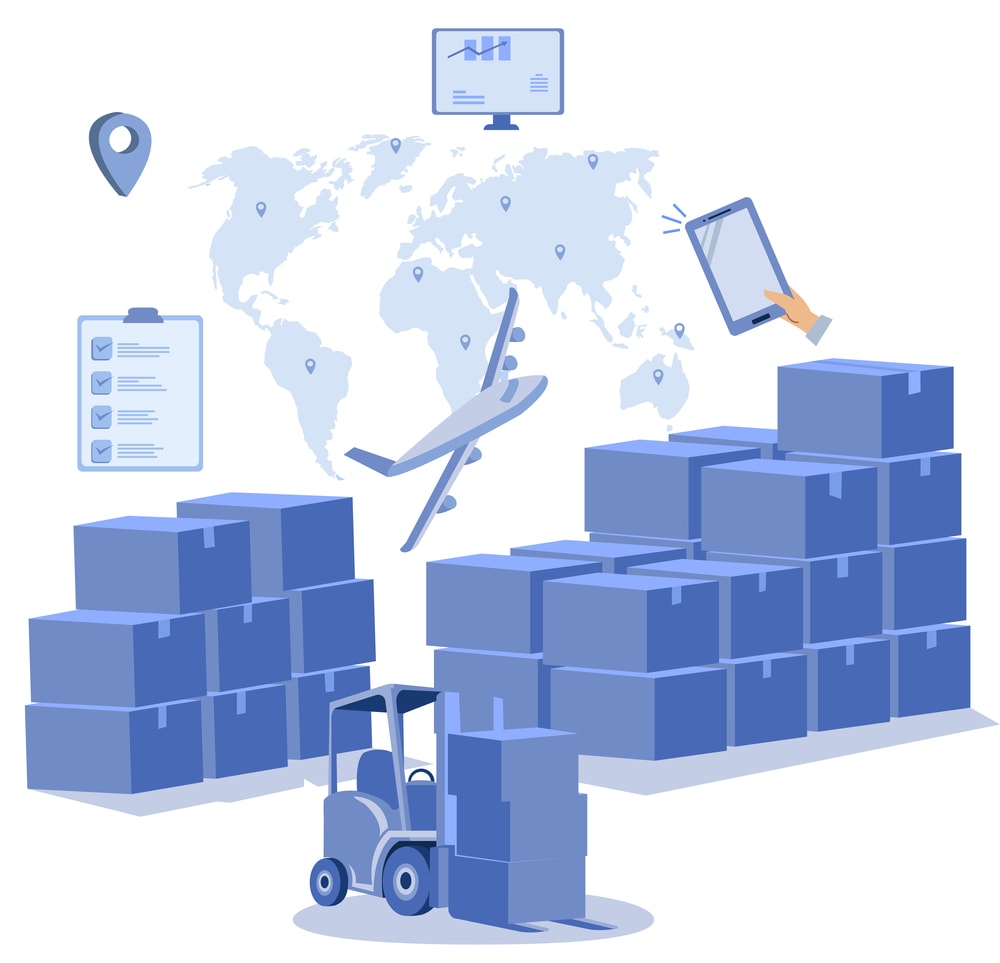
What is 4PL Logistics?
4PL logistics is a more advanced model where a fourth party logistics provider (4PL) is in charge of managing the entire supply chain, not just executing tasks. Rather than doing the logistics work themselves, a 4PL provider focuses on:
- Managing multiple logistics providers and partners
- Coordinating logistics processes across different regions and functions
- Acting as a single point of contact for the entire supply chain
- Aligning logistics services with the overall supply chain strategy
A 4PL may not own any physical assets, but instead uses their logistics expertise, technology, and data-driven decision making to bring it all together.
What’s the Main Difference Between 3PL and 4PL Logistics?
It all comes down to execution versus management.
- A 3PL is all about executing defined logistics services
- A 4PL is about managing the entire supply chain process
In a 3PL model, the shipper still has to coordinate with vendors. In a 4PL model, that responsibility is taken on by a 4PL provider who oversees the whole logistics process from start to finish.
How 3PL and 4PL Fit in With Supply Chain Management
Supply chain management is all about visibility, coordination, and accountability right across the supply chain network. As logistics operations grow, managing transportation, inventory, suppliers, and fulfillment in-house becomes increasingly difficult.
A 4PL can support supply chain optimization by:
- Coordinating supply chain processes right across providers
- Managing supplier relationships and workflows
- Identifying bottlenecks in logistics processes
- Improving supply chain performance through centralized oversight
This helps companies reduce costs, get better operational clarity, and maintain their customers’ satisfaction levels.
When 3PL Logistics Makes Sense
A 3PL logistics model is a good fit when:
- You just need help executing logistics tasks
- Your supply chain operations are still manageable in-house
- You want flexibility, but still want to be in control
- You’re moving from in-house logistics to outsourcing
For many companies, a 3PL is the perfect solution. It gets the logistics job done without adding too much complexity.
When 4PL Logistics Makes Sense
4PL logistics starts to make more sense when:
- You are using multiple logistics providers across different regions
- Internal teams are spending too much time coordinating with vendors
- Visibility across the supply chain is limited
- You need a single point to manage all your logistics operations
A 4PL provider can create a single point of accountability across logistics partners, helping to streamline the entire supply chain.
How 3PL and 4PL Can Work Together
In practice, 3PL and 4PL logistics often work together.
- 3PLs handle the day-to-day logistics work
- A 4PL manages those providers, systems, and performance
This layered model allows companies to scale up their logistics operations while still having centralized oversight.

Key Considerations When Choosing Between 3PL and 4PL
Before deciding between 3PL and 4PL logistics, companies should consider:
- How many logistics partners are already involved
- How much bandwidth do they have for vendor management
- How much control they want to give up versus outsourcing
- How complex and fragmented their supply chain is likely to become over time
Ultimately the right choice depends on how fragmented or centralized logistics operations are, not on how big the company is.
Final Thoughts on 3PL vs 4PL Logistics
It’s not about which model is better, it’s about which level of management your supply chain needs. While third party logistics providers lay the groundwork for a smooth operation, 4PL logistics providers bring much-needed order to the mix. Streamlining complex supply chain operations by bringing structure, coordination and visibility to the table. For organizations that are bogged down in managing a supply chain that stretches across multiple tricky partners, the 4PL model can provide much-needed clarity, knock costs down to size, and help your business deliver long term results that really pay off.