
Understanding the limit of truck weight is important to shippers for their operations to run without any type of headache. Apart from safety-related issues, the overloading of a truck leads to damage to the roads and at times hefty fines regarding regulatory violations. Companies that ship goods need to know about truck weight limits to avoid delays, expensive repairs, and fines. This helps keep their supply chain running smoothly. The federal government establishes baseline maximum weight limits for commercial trucks to ensure safety and infrastructure protection.
Weight limits vary in trucking based on codes provided by federal, state, and vehicle-specific laws. While the federal limit for weight, for example, is 80,000 pounds on interstate highways, some states may use their regulations for non-interstate roads. The kind of truck and the axle configuration have some effect on how much weight can be carried safely. Maximum weight limits and axle limits can vary by state, and exceeding these can result in a vehicle being classified as an overweight vehicle, which may require special permits or lead to fines. Staying within these limits will not only keep you in compliance, but will also make certain that your shipments keep moving without unnecessary delays.

Introduction to Commercial Vehicles
Commercial vehicles, such as semi-trucks, 18-wheelers, and other large freight carriers, are the backbone of the nation’s supply chain. These commercial trucks are designed to transport heavy loads over long distances, making them essential for moving goods across state lines and throughout the country. However, to ensure the safety of all road users and protect public infrastructure, these vehicles are subject to strict federal and state regulations regarding maximum gross vehicle weight, axle weight limits, and overall vehicle weight.
Understanding the maximum gross vehicle weight and axle weight limits is crucial for anyone operating or managing commercial vehicles. These weight limits are set to prevent excessive wear and tear on highways and bridges, reduce the risk of accidents, and ensure that commercial trucks operate safely and efficiently. Compliance with these regulations not only helps avoid costly fines and delays but also supports the responsible operation of commercial vehicles on public roads. By staying informed about vehicle weight requirements and adhering to both federal and state regulations, commercial truck drivers and companies can keep their operations running smoothly and safely.
Overview of Federal and State Weight Limits
Federal weight limits are a consistent measure for trucks utilizing the interstate, not to exceed 80,000 lbs GVW. Such federal regulations guarantee safety on the roads and prevent infrastructure damage. Trucks are also capped at 20,000 lbs per single axle and 34,000 lbs for tandem axles, creating consistency across the nation for vehicles operating under federal law. Additionally, federal law sets specific weight limits for commercial vehicles, including gross vehicle weight and axle weight restrictions, to ensure safety and compliance.
At the state level, things can get more complicated. States are allowed to set their weight regulations for roads they maintain, and these rules can vary widely. Using per-state weight tables, shippers need to understand the specific axle weight and GVW limits in the states they’re traveling through. For example, Indiana regulations may differ from those in other states, requiring special attention to ensure compliance. While a truck may be legal on an interstate, it could be over the limit on state roads, making it crucial to check each state’s weight table to avoid any issues.
The big challenge for shippers is navigating the differences between federal weight limits and state-specific regulations. What works on the interstate might not be legal once a truck hits a state highway, which could lead to fines or delays. Shippers must also be aware of the different commercial truck weight categories, such as gross vehicle weight, axle weight, and bridge formula weights, to ensure compliance and avoid liability. That’s why it’s important to stay up to date on both sets of rules and consult the state weight table before heading out. Staying aware of these weight regulations can help keep everything running smoothly.

Legal Weight Limits and Axle Weight Restrictions
Federal regulations impose critical axle weight limits to make sure trucks remain within their safe loading capacity and do not cause damage to our highways. The DOT weight limits per axle are a balance between the safety and efficiency of the transportation of goods. Legal axle weight limits are established to ensure that no single axle or group of axles exceeds the maximum permissible weight, which is crucial for road safety and compliance. A single axle legally can weigh 20,000 pounds, and for tandem axles, the legal weight is 34,000 pounds. In the case of tridem axles, the weight is usually around 42,000 pounds, depending on the state.
Weight limits also vary by axle type. Steer axles, which are at the front of the truck, typically have maximum weights of 12,000 to 14,000 pounds to guarantee safe vehicle control. The drive axles, which are at the back of the truck, can be as high as 34,000 pounds in a tandem setup. Axle weight limits for tandem configurations in trailers also cap out at 34,000 pounds, and tridem trailer axles usually top out at about 42,000 to 45,000 pounds, although that does vary from state to state. Monitoring axle weights is essential for preventing violations and ensuring safe operation. Axles equipped with dual tires have specific weight restrictions, which can impact the overall gross vehicle weight limits.
The maximum U.S. axle weight limit is 20,000 pounds for a single axle and 34,000 pounds for tandem axles. These axle weight limits are the federal maximum, but states can impose their weight limits on an axle. There are other laws, such as Bridge Formula Limits, which further describes the weight a truck can have, mainly over bridges. The gross vehicle weight rating (GVWR) is the maximum safe weight a vehicle can carry, including the vehicle itself, cargo, and occupants. These legal weight limits will keep fines away and the trucking companies safe.
Exceeding axle weight limits or improper load distribution can lead to mechanical issues such as brake failures and tire blowouts, which are significant safety concerns.

Regulations often consider the number of consecutive axles in a group, as this affects the allowable weight under bridge formulas.
Gross Weight Limits and Distribution
On federal highways, trucks are not allowed to have more than 80,000 pounds of gross vehicle weight. The gross vehicle weight of a truck includes everything from the actual vehicle itself to cargo, fuel, and passengers. Remaining within this gross vehicle weight threshold is not only for adherence to the rules but also includes safety on the road.
How the weight is spread across a truck’s axles makes a big difference in whether it complies with the law. Even if a truck’s total gross weight is within the limit, improper weight distribution can lead to overloaded axles. Axle spacing plays a role here, as it affects how much combined weight each axle can safely carry, especially in trucks with multiple trailers or large vehicle combinations. The overall distance between the first and last axle is a key factor in determining legal weight limits, as it affects how weight is distributed across the vehicle.
Regulations often specify minimum distances between the first and last axle or axles to ensure proper weight distribution and compliance. The placement and spacing of the first and last axles are especially important for meeting weight limits and adhering to roadway regulations.
Following the rules about truck weight limits is important to avoid fines, delays, and missed deliveries. This can help a business make more money. Staying within the total weight limit set by federal and state laws is vital for the protection of the truck and everyone else on the highway.

Axle Groups
Axle groups are a fundamental aspect of commercial truck design and play a key role in determining how much weight a vehicle can legally carry. An axle group refers to the arrangement of axles on a commercial vehicle, which can include single axles, tandem axles, or tridem axles. Each axle group has its own specific weight limits, and it’s essential for commercial truck operators to understand these limits to avoid exceeding axle weight limits and facing penalties.
For example, a single axle on a commercial truck is typically limited to a maximum weight of 20,000 lbs, while tandem axles—two axles positioned close together—can carry up to 34,000 lbs. Tridem axles, which consist of three axles grouped together, allow for even greater maximum allowable weight, depending on the spacing and state regulations. The federal bridge formula is used to calculate the maximum weight that different axle groupings can legally support, taking into account the number of axles and the distance between them. Properly distributing cargo weight across the axle groups is critical to staying within legal limits and ensuring safe operation. By understanding axle group configurations and adhering to the maximum weight for each, commercial truck drivers can prevent exceeding axle weight limits and maintain compliance with federal and state laws.
Federal Bridge Formula and Its Impact on Weight Limits
The Federal Bridge Formula is a tool that helps make sure that trucks and vehicle combinations distribute weight in a manner that is protective of bridges and roadways. It calculates the maximum weight a vehicle can have based on the number of axles and their distance while considering how heavy a load would be dispersed to avoid stress on infrastructure. The bridge formula is smart to follow, as failure to do so results in heavy fines by federal agencies, and it offers safety on public roads.
This formula also plays a role in deciding the maximum weight a truck tractor or other vehicle combination can carry. The bridge formula allows trucks with more axles or longer distances between axles to transport heavier loads by calculating the allowable weight based on axle group and spacing. Understanding the bridge formula is especially important for optimizing trailer combination configurations to ensure legal compliance and road safety. To those in the industry of logistics, understanding and remaining within the federal bridge formula will ensure a company can maximize its payload weight while remaining within legal weight limits.

Weight Limits Based on Axle Configuration
Weight limits for trucks have a lot to do with the axle configuration of the vehicle: whether it is single, tandem, or tridem. A single axle is the least complicated and takes less weight than a tandem or tridem axle. Tandem axles come with two axles together, which bear much more weight due to the ability to divide that weight on both axles; tridem axles are three axles working as one, carrying heavier weights than a tandem axle. The steering axle, typically located at the front of the truck, has its own specific weight limitations to ensure safe vehicle handling. Knowing which configuration you’re working with is key to planning, so you can keep within the legal limits of weight without sacrificing load capacity.
Axle spacing and tire width also play a big part in determining how much weight a truck can carry. The further apart the axles are, the better they spread the load, which reduces wear and tear on roads and bridges. On top of that, tire width matters too, since the manufacturer’s rated tire width will dictate how much weight those tires can safely handle. Weight limitations are determined by a combination of federal and state laws, which impact how loads are planned and distributed. By considering axle spacing and tire width along with the number of axles, you can make sure your loads are compliant while maximizing efficiency.
Special Considerations for Heavy Haul and Overweight Permits
Heavy hauling operations come into play when shipments weigh more than the legal limit. If it exceeds the legal weight of 80,000 pounds for a truck, trailer, and cargo combined, then an overweight permit is necessary. This 80,000-pound threshold is the maximum gross weight allowed for most commercial vehicles on public roads. Such permits allow heavy loads to legally move on public roads without damaging infrastructure, like bridges or highways. Shippers should recognize when the weight of a heavy haul is in a position to exceed weight limits and be prepared to apply for overweight permits to avoid fines or operational setbacks.
There is a great deal of variation regarding overweight permits from one state to another. Every state has its own rules about how heavy vehicles can be on their roads. These rules depend on things like the condition of the roads and the bridges. Some states are very strict about the laws, while others give certain shipment rules of exceptions or temporary permits. If you’re driving a heavy vehicle, it’s important to know the rules about how much it can weigh in each state. Operating overweight vehicles often requires the driver to hold a valid commercial driver’s license (CDL) in compliance with federal and state regulations. Not following these rules could get you into trouble with the law.

Commercial Truck Weight Limit Enforcement
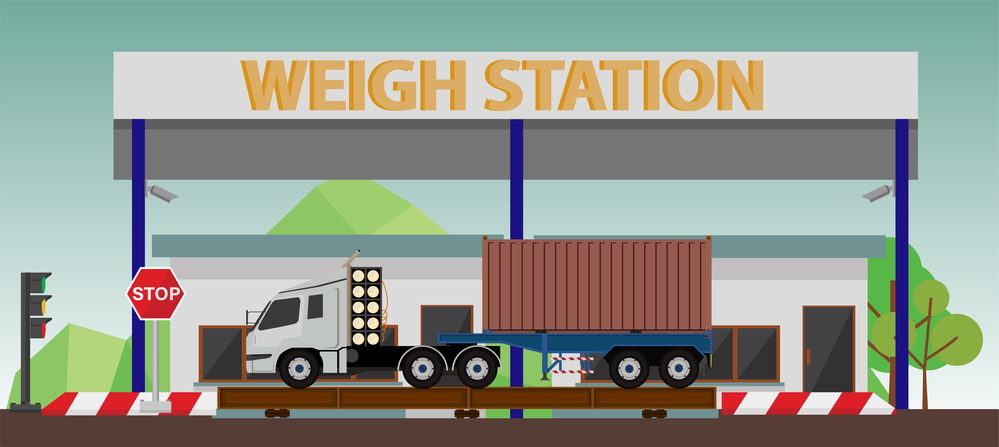
Enforcing commercial truck weight limits is a vital part of keeping roads and bridges safe for everyone. To ensure compliance with weight regulations, commercial trucks are regularly checked at weigh stations and on certified scales located along major highways and trucking routes. When a commercial truck approaches a weigh station, the driver is required to stop and have the vehicle’s weight measured. This process helps verify that the truck’s weight, including cargo, does not exceed the commercial truck weight limit set by federal and state authorities.
If a truck is found to be over the legal vehicle weight, the driver may be required to offload some cargo or take other corrective actions before continuing the journey. Commercial truck companies are also responsible for maintaining accurate records of truck weight and cargo distribution to demonstrate compliance with weight regulations during inspections. Regular use of certified scales and adherence to weight regulations not only helps avoid fines and penalties but also ensures the safety and reliability of commercial truck operations. By following these enforcement procedures, both drivers and companies can help protect public infrastructure and maintain the integrity of their business.
Penalties and Consequences
Failing to comply with commercial truck weight limits can lead to serious penalties and consequences for both drivers and trucking companies. Exceeding truck weight limits or violating weight regulations can result in hefty fines, with penalties increasing based on how much the truck’s weight exceeds the legal limit. For example, if a commercial truck is found to be more than 10,000 pounds over the weight limit, the driver and company could face fines of up to $5,000 or more, depending on the jurisdiction.
Beyond financial penalties, repeated weight limit violations can have even more severe consequences. Truck drivers risk having their commercial driver’s license (CDL) suspended or revoked, while trucking companies may lose their operating authority. In the event of an accident, evidence of weight limit violations can be used to establish liability, potentially leading to costly legal action and insurance claims. These risks highlight the importance of adhering to truck weight limits and maintaining compliance with all weight regulations. By staying within legal weight limits, commercial truck operators can protect their business, their drivers, and the safety of everyone on the road.
The Role of Technology and Manufacturer Limits
Technology most definitely plays an important role in maintaining the weight limit of trucks, especially with the use of idle reduction technology. As much as it is considered highly valuable in terms of reducing fuel consumption and emissions when a truck is idle, it usually can add pounds to the vehicle. Thankfully, most states and regulations account for it by making the weight limits a little higher for those trucks containing this idle reduction technology. If we don’t punish carriers for the extra weight of cleaner technology, they’ll be more likely to use it. This is good for the environment and helps everyone stay within the law.
One should also be aware of the rated tire width by the manufacturer and the overall vehicle weight limit. Tires are made to carry only a particular load; besides that, serious safety problems may arise. The same goes for the vehicle itself, overloading a truck beyond what the manufacturer recommends can lead to unnecessary wear and even dangerous equipment failures. Monitoring the truck’s weight in relation to the manufacturer’s gross vehicle weight rating is essential for safety and legal compliance. Keeping within the limitations of tire and vehicle weight not only keeps you in compliance with regulations but also extends the life of your equipment.

Tips for Shippers to Avoid Weight Violations
To avoid weight violations, shippers need to be familiar with the legal weight limits for their cargo. This includes knowing the maximum legal axle weight and the total weight allowed for the truck and trailer. One important step is to verify the capabilities of the truck and trailer before loading begins. It’s always a good idea to check the manufacturer’s specifications and ensure that the load will be distributed properly across the axles to avoid exceeding legal limits.
Another way to stay compliant is to weigh the cargo before departure using certified scales. It’s also helpful to distribute the load evenly to avoid putting too much weight on one part of the truck, which can lead to violations. Understanding how weight distribution affects the performance of semi-trucks and other commercial trucks can make a big difference in preventing issues on the road. By taking these steps, shippers can help ensure that their loads stay within the legal limits.
Collaborating with the carriers can avoid weight problems. A carrier or an experienced truck driver can give good guidance on loading. When you load your truck, make sure you don’t go over the weight limit that the law says is okay. An open line of communication between the shipper and the carrier can prevent problems before they occur. Motor vehicles such as semi-trucks are designed to carry heavy weights; however, bearing more than what is legally accepted on any single axle can lead to a drop in safety and perhaps fines or delays.

Conclusion
Knowing the weight limits for trucks is important for everyone. It keeps our roads safe and prevents accidents. Also, it protects your cargo and your truck against any damage. Shipments will get to where they need to be on time and without problems if the rules are followed.
If you ever find yourself confused about regulations with weight or need assistance in handling your shipments, ShipEX Logistics will be able to walk you through the process. We’ll make sure that you’re compliant and won’t face any penalties while continuing to keep your freight moving. For any of these concerns, reach out today to ShipEX Logistics and make sure your shipping stays on track with the right weight limits in mind.