
Choosing the appropriate method for freight transportation makes a huge difference in the whole supply chain. In logistics, power-only trucking and drop trailer programs are both common practices, each carrying a different set of advantages to the shipper. These two methods hold significant importance for making proper decisions in businesses that look to cut down their operations and eliminate any chances of downtime. Whether it is a tight schedule or a more flexible shipping process, the right method can make all the difference. Power-only trucking and drop trailer programs are utilized by shippers and carriers across the country to optimize logistics operations.
Power-only loads and drop trailer programs both have roles to play in the shipping process, but they do so in very different ways. Power-only trucking is where a carrier provides the tractor while the shipper provides the trailer; this allows for flexibility with available trailers. On the other hand, drop trailer programs allow the shipper to load the trailers in advance, at their convenience, which cuts delays and builds efficiency. With the right approach being applied to the right situation, you will go ahead and give your supply chain performance a run for its money to stay updated with the pace of logistics.

Introduction to the Topic
Power-only trucking is transforming the way businesses approach logistics and supply chain management. In this innovative transportation solution, a trucking company provides a power unit—consisting of a tractor and a skilled driver—to haul a shipper’s trailer. Unlike traditional methods where the carrier supplies both the truck and trailer, power-only trucking allows businesses to leverage their own trailers or leased equipment, giving them greater control and flexibility over their freight shipping operations.
This approach offers a range of benefits for companies looking to optimize their logistics. By utilizing only trucking services, businesses can reduce costs associated with trailer ownership and maintenance, while also improving efficiency across their supply chain. The ability to match the right power unit with the right trailer at the right time means shippers can respond quickly to changing demands, minimize downtime, and keep their operations running smoothly. As the transportation industry continues to evolve, power-only trucking stands out as a cost-effective, efficient solution for companies seeking to stay competitive and agile.
What is Power Only Trucking?
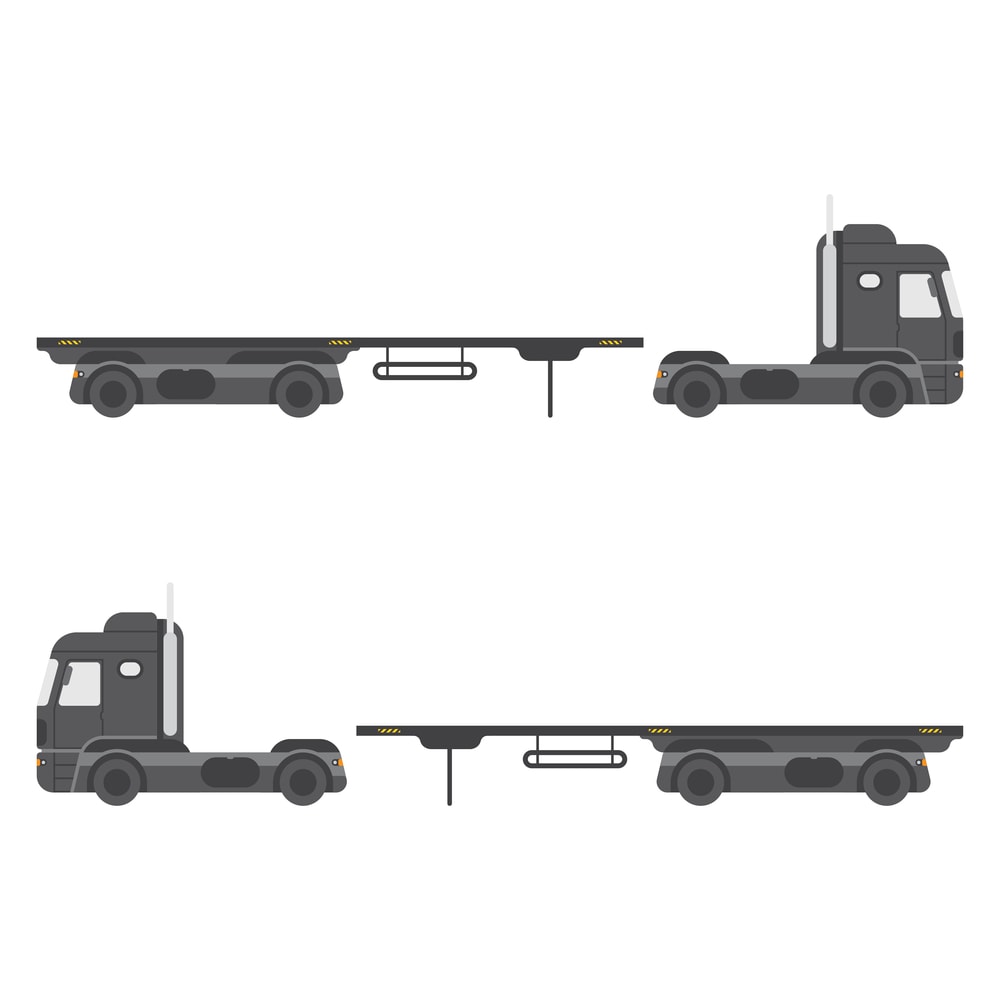
Power Only Trucking is a transportation solution where a carrier provides just the truck and driver while the shipper supplies the trailer. A power only carrier specializes in supplying only the tractor and driver, offering flexibility for shippers. In this model, the carrier hauls the trailer without needing to own or maintain one, allowing shippers with their trailers to move freight efficiently. Power-only loads (also known as power only loads, where only the tractor unit is provided) are commonly used when shippers have trailers that need to be moved between locations, typically for consistent volume needs or pre-arranged time slots.
One of the major benefits of power-only trucking is its flexibility. Many power only carriers work with independent contractors who provide their own tractors and operate autonomously. Power only capacity allows shippers to scale their operations up or down based on demand. Freight brokers play a key role in connecting shippers with available power only loads and carriers. This service is ideal for companies looking to move freight between locations without committing to a full-service carrier that provides both the truck and the trailer. By using power-only trucking, shippers can avoid the costs of owning and maintaining tractors. Power-only trucking can also help reduce fuel expenses as part of overall cost savings. Shippers should consider what they pay for power-only trucking services, including evaluating freight rates and surcharges. A strong network of carriers and power units ensures reliable and flexible service for shippers. It’s often used for shippers who handle large volumes and need regular, dependable transportation. Power-only trucking also reduces the maintenance burden. Since the shipper provides the trailer, carriers don’t have to worry about maintaining or storing trailers, which can reduce overall operating costs.
However, there are some challenges. If the shipper’s trailer isn’t ready when the driver arrives, it can be time-consuming. The driver may have to wait, leading to potential detention fees. Additionally, delays at the shipper’s facility can result in late delivery penalties, which can disrupt the shipment schedule. Power-only trucking can make the professional life of shippers easier by simplifying logistics and daily operations.
What is a Drop Trailer Program?
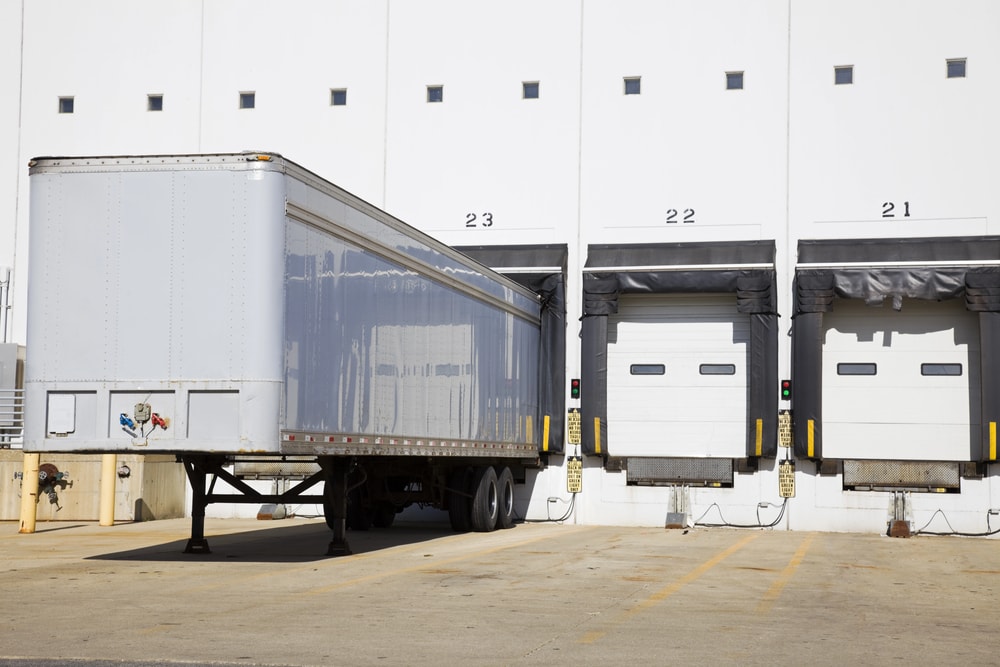
A drop trailer program is a service where trailers are dropped off at facilities such as warehouses, distribution centers, or drop yards of a shipper and left there until loading/unloading takes place, at the convenience of warehouse workers. Rather than the driver waiting for the trailer to be loaded/unloaded, they can drop the trailer and return later or have another driver pick it up once it’s ready.
Shippers can also store freight in trailers at these facilities until a trucking service is available, providing flexibility and supporting just-in-time logistics.
Key Benefits of Drop Trailer Services
- Saves time: Drop trailers save time as it eliminates the waiting that is generally involved with loading or unloading. Also, drivers can simply leave the trailer at the facility and minimize downtime to move on to other deliveries. This drop and hook process allows for quick trailer exchanges and improves overall efficiency.
- Greater efficiency: The shippers and carriers can load/unload at times most convenient to them. The workers at the warehouse can clear the trailers when it is not too busy, which results in a smoother workflow.
- ELD compliance: Driver rest breaks are easier to deal with in drop trailer shipping, where the driver just has to drop the trailer and take his due rest period without facing a violation against the requirements of the ELD.
Challenges
- Space requirements: Shippers need to have enough space in the yard for empty trailers, and it can be a challenge for those shippers with limited real estate.
- Cost: Companies with varying freight volumes will see the costs increase by using drop trailers, as the equipment will be on-site longer than desirable, in many instances.
Trailer Leasing Options
Trailer leasing plays a pivotal role in the success of power-only trucking, offering shippers the flexibility to utilize trailers without the long-term commitment or financial burden of ownership. With a variety of trailer leasing options available, businesses can choose between short-term leases for seasonal spikes or long-term agreements for ongoing needs. Leasing companies provide access to a wide selection of equipment, including dry vans, refrigerated trailers, flatbeds, and open deck trailers, ensuring that shippers have the best equipment for their specific freight requirements.
By opting for trailer leasing, companies can focus on their core business operations while leaving the logistics of trailer management to the experts. The leasing company is responsible for maintaining the trailers, which helps reduce maintenance costs and ensures that the equipment is always in top condition. This arrangement not only streamlines operations but also allows shippers to scale their trailer capacity up or down as needed, making it a highly cost-effective and efficient solution in today’s fast-paced trucking industry.
Types of Trailers Used
Power-only trucking is highly versatile, accommodating a wide range of trailer types to meet the diverse needs of shippers. Dry vans are among the most popular choices, prized for their ability to transport a variety of goods securely and efficiently. For temperature-sensitive shipments, refrigerated vans provide the necessary climate control to keep perishable items fresh throughout the journey. Flatbeds and open deck trailers are ideal for hauling oversized equipment, machinery, or other freight that doesn’t fit within the confines of a standard trailer.
The flexibility to utilize different types of trailers means that shippers can always select the best equipment for their cargo, ensuring safe and efficient transportation. Whether moving general merchandise in dry vans, specialized freight on open deck trailers, or sensitive goods in refrigerated units, power-only trucking empowers businesses to tailor their shipping solutions to their unique requirements.
Key Differences Between Power Only and Drop Trailer
Flexibility vs. Efficiency
Power-only trucking is very unique in its ability to quickly move trailers from one location to the next. This works well for shippers who need to move freight without being able to commit to a longer-term trailer setup. On the other hand, drop trailer programs are created with efficiency in mind. These are great for shippers who can move consistent volumes or for commodities that must be delivered within a specific appointment window. Therefore, a drop trailer service allows the shipper to make sure their goods are handled efficiently and not miss the critical windows of delivery.
Time Management
The main differences between these two services can be detected in how they both handle time. Power-only trucking requires the shipper or receiver to load the trailer promptly to avoid detention fees or late delivery fees. On the other hand, drop trailer programs have more lenient loading times. The shippers can also allow the trailers to be loaded at a predetermined time so that the trucks do not have to waste time at the loading dock, losing revenue and experiencing time inefficiencies.
Driver Involvement
Power-only trucking requires the original driver to stay on location during the loading and unloading process. This brings potential delays or conflict, more so if there are several rest breaks. On the other hand, drop trailer programs are more flexible in terms of the drivers being involved. The original driver may drop the trailer and leave, then have it picked up by either the original driver or a new driver. It minimizes a possible clash and makes sure freight moves seamlessly.

Comparison to Regular Truckload Carriers
Power-only trucking offers a distinct advantage over regular truckload carriers by providing shippers with greater flexibility and control over their operations. With only trucking, businesses can utilize their own trailers, which can be pre-loaded and staged for pickup at their convenience. This eliminates the need to wait for a carrier to arrive with a trailer, reducing loading and unloading times and streamlining the entire shipping process.
In contrast, regular truckload carriers supply both the truck and trailer, which can be less flexible and often more costly for shippers with specific trailer needs or fluctuating volumes. Power-only trucking allows companies to scale their fleet quickly, adding or removing trailers as demand changes, and to operate at their own pace. This approach not only enhances convenience and efficiency but also helps shippers maximize their trailer pool and truckload capacity, making it an ideal solution for businesses seeking to optimize their supply chain.
Qualified Truck Drivers
The success of power-only trucking relies heavily on the expertise and professionalism of qualified truck drivers. Power-only carriers typically maintain a pool of experienced drivers who are trained to handle a variety of trailers and cargo types. These drivers are familiar with the specific requirements of each shipment, ensuring that freight is loaded, transported, and delivered safely and efficiently.
Additionally, power-only carriers invest in ongoing training and support for their drivers, keeping them up-to-date with the latest industry regulations and best practices. This commitment to driver quality not only enhances safety and compliance but also contributes to the overall success of the supply chain. By partnering with power-only carriers that prioritize driver training and experience, shippers can trust that their shipments are in capable hands, allowing them to focus on growing their business and meeting customer demands.
When to Use Power Only vs. Drop Trailer
Many shippers with private fleets rely on power-only trucking to supplement their capacity during peak periods. The choice between Power Only or Drop Trailer service is made largely based on your specific shipment needs. Power Only trucking is perfect for those instances where there are more frequent load transfers, and when the shippers have access to trailers. Leased trailers provide a flexible solution for companies that do not want to invest in trailer ownership. For smaller businesses with inconsistent freight volume, this option allows for flexibility without committing to a full fleet of trailers. Power Only uses a carrier’s tractor to pull preloaded trailers; this simplicity keeps the operations moving effectively and efficiently, particularly during seasons when the freight demand changes. For example, a company whose shipping demand is seasonal can take full advantage of Power Only without the headache of managing unused trailers. Companies can also add new trailers to their fleet to accommodate increased shipping needs as demand changes.
On the other hand, Drop Trailer programs will better suit companies that have consistent shipments and volume. This is beneficial in keeping detention fees at a minimum for the shippers who do not like the hustle of slowing down due to loading and unloading. With a drop trailer, a shipper will have preloaded trailers that carriers can pick up anytime to better utilize both time and resources. Drop trailer programs ensure trailers are fully utilized throughout the supply chain, reducing empty miles and improving efficiency. For instance, a Drop Trailer would be suitable for a manufacturing company that ships each day, since they can have the trailers filled at their convenience. Because of that, it prevents the loss of costly downtime for a company. This option is very helpful for businesses that are managing steady volumes of freight and value seamless operations.
The Role of Technology in Both Methods
Electronic Logging Devices have played a major role in how hours are recorded by drivers involved in both drop trailer programs and power-only trucking. The ELD mandates aid in making sure that the drivers do not overwork and remain compliant by automating the logging of work and rest periods, therefore promoting safer road practices. The technology helps logistics businesses meet the legal requirements in the front-end management of schedules, allowing drivers to stick to their pre-arranged times for pickups and drop-offs.
Automation and scheduling technologies also have a role in improving coordination between carriers and shippers/receivers. Companies can organize their operations with the use of digital tools, which reduces any delays that occur at the point of loading or unloading. This improved coordination makes it so that operations run smoothly, improving the overall logistics process. Whether optimizing a power-only trucking arrangement or managing a drop trailer program, technology is allowing companies to eliminate friction in operations and further improve business.
Conclusion
Power-only trucking and drop trailer services both have their advantages, depending on the specific needs of any given shipper. In power-only loads, a driver brings a tractor with them to move a pre-loaded trailer. Drop trailer methods let shippers pre-load a trailer at their convenience which gives them more options in terms of their delivery windows. Drop trailers are all about saving time by seamlessly transferring freight without the need to have a tractor immediately available; this has proved important for businesses that are often tight on schedule or with a high volume of shipments.
Consider your shipment volume, the window you have for delivery, and how this drop trailer capability can help your supply chain. For many companies, drop trailers save time and add flexibility, but power only can be great for getting a quick, one-off move. Contact ShipEX Logistics to find the best option for your freight needs and let us take the time to understand your business and help optimize your shipping strategy.