Key Highlights
- Supply chain analytics helps you make faster, smarter freight management decisions with clearer visibility.
- Predictive analytics supports better planning by spotting demand shifts and possible delivery disruptions early.
- Data-driven insights uncover cost savings in routing, carrier choice, and inventory-related freight moves.
- Better shipment planning improves on-time delivery, which strengthens customer satisfaction and customer experience.
- Analytics tools connect supply chain data from many systems for more informed decisions.
- Stronger analysis also supports risk mitigation by identifying supplier, capacity, and transportation issues sooner.
Introduction
Supply chain analytics is changing how companies handle freight decisions inside supply chain management. Instead of relying on guesswork, businesses now use data analytics to review large sets of supply chain data, find patterns, and act with more confidence. That matters because freight choices affect costs, lead times, inventory levels, and customer satisfaction. As technology improves, analytics tools give teams a clearer view of operations, helping them plan better, respond faster, and improve day-to-day performance.
Understanding Supply Chain Analytics in Logistics
At its core, supply chain analytics is the process of reviewing large amounts of business and logistics information to support better decisions. In freight, that means using supply chain data to understand shipment activity, track patterns, and improve planning across transportation flows.
What makes this important is the direct impact on supply chain management and supply chain operations. Traditional decisions were often slower and less connected. Now, analytics brings visibility across inventory, carrier performance, and delivery timing, setting up the key methods and tools behind smarter freight choices.
Definition and Overview of Supply Chain Analytics
Supply chain analytics is the review of large sets of business data using mathematics, statistics, and computer software to identify patterns and support decision-making. In modern businesses, it is used to improve product delivery, strengthen customer experience, and guide better freight choices through supply chain analysis.
One useful way to understand it is by its types:
- Descriptive analytics shows what happened through key performance indicators and metrics.
- Diagnostic analytics explains why something happened by finding patterns and connections.
- Predictive analytics uses real time and historical data to estimate future demand or disruption risks.
From there, prescriptive analytics moves into action. It uses data to recommend or automate better responses across the supply chain. This shift from reporting to forecasting to action helps companies improve operations, reduce uncertainty, and make informed decisions with greater confidence.
Key Components of Modern Supply Chain Analytics
Modern supply chain analytics depends on a few connected building blocks. You need the right supply chain data, a way to combine it, and systems that turn raw inputs into useful answers. Without those basics, even good teams struggle to make freight decisions with speed and accuracy.
Key components include:
- Data sources: sales, logistics, warehouse, inventory, financial, and supplier information.
- Data integration: combining data from ERP, B2B systems, IoT feeds, and even unstructured data.
- Analytics tools: platforms that capture, store, analyze, and visualize transactions.
- Data quality: trusted, accurate inputs that prevent weak conclusions.
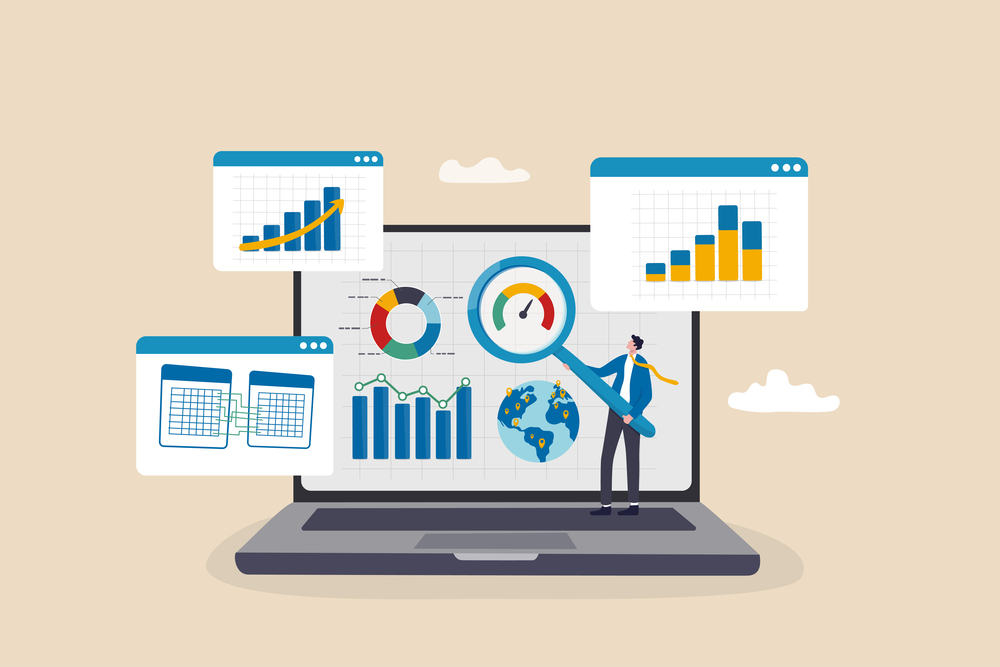
- Data visualization tools: charts and graphs that make trends easier to understand.
Just as important, these parts must work together. Companies often analyze shipping schedules, delivery times, costs, stock levels, and supplier performance. When data quality is strong and analytics tools are connected well, freight teams can spot issues faster and act on better information.
The Role of Analytics in Freight Decision-Making
Freight decisions affect every part of movement, timing, and service. Supply chain analytics gives freight management teams a clearer view of shipment patterns, carrier results, and delivery performance so they can choose better actions instead of reacting late.
Technology has changed this work in a big way. Today’s analytics tools pull data from multiple systems, process it quickly, and present it in a format teams can use. That supports supply chain optimization by helping planners compare options, improve routing, and reduce delays that hurt order fulfillment.
The result is better operational control and measurable cost savings. When teams can see freight costs, transit variability, and service issues in one place, they can adjust faster. This helps improve order fulfillment, reduce waste, and make freight decisions that support broader business goals.
Core Benefits of Supply Chain Analytics for Freight Management
When you apply supply chain analytics to freight management, the biggest gains usually show up in visibility, speed, and control. Teams can review performance more clearly, identify weak points, and make better choices based on facts instead of assumptions.
That leads to stronger supply chain performance and better operational efficiency. Freight costs become easier to manage, service problems are easier to catch, and planning becomes more accurate. The next sections show how these benefits appear in routing, cost control, and customer-facing delivery results.
Improved Routing and Delivery Optimization
Routing decisions shape freight cost, reliability, and speed. Supply chain analysts apply data analytics by reviewing shipment paths, transit times, and carrier performance to find better ways to move goods across supply chain networks.
In practice, this means using optimization algorithms to compare route options and reduce wasted miles or poor handoffs. Historical data shows what has worked before, while real time updates improve responses to changing conditions. This helps shorten lead times and supports more efficient movement across the network.
You can also see the benefit at the service level. Better routing improves delivery consistency, reduces delays, and supports stronger planning. For freight teams, that means fewer surprises and smarter day-to-day execution built on data instead of routine habits.
Cost Reduction Through Data-Driven Insights
One of the clearest benefits of supply chain analytics is cost savings. Through data analysis, companies can identify inefficiencies in freight movement, storage, and planning that would otherwise stay hidden inside normal supply chain operations.
For example, analytics can reveal where shipment timing creates unnecessary transportation expense or where poor planning leads to excess inventory. It can also show whether inventory optimization and better forecasting could lower carrying costs while still protecting product availability.
These data-driven insights matter because they turn broad cost goals into specific actions. When teams connect freight activity with inventory levels, sales patterns, and delivery results, they can make more precise adjustments and properly handle their freight spend management. That leads to measurable savings, leaner operations, and better financial control without reducing service quality.
Enhancing On-Time Performance and Customer Satisfaction
On-time delivery is one of the most visible outcomes of strong analytics. When freight teams use shipment data, inventory levels, and lead-time patterns effectively, they can plan moves that support more reliable arrivals and fewer missed commitments.
That directly improves order fulfillment rates. Analysts use data to connect transportation timing with stock availability, warehouse readiness, and customer demand. If one part of the chain slows down, the issue becomes easier to spot before it causes service failure.
The payoff shows up in customer satisfaction and customer experience. Customers notice when orders arrive as promised and products stay available. Better control over inventory levels and freight timing reduces late shipments, limits stockouts, and helps businesses build stronger trust through consistent service.
How Data Powers Smarter Freight Decisions
Freight decisions improve when data analytics brings together the right signals from across the business. Sales, logistics, inventory, warehouse, and financial records all help explain what is happening and what needs attention.
Some insights come from real time updates, while others come from historical data and long-term patterns. Both matter for supply chain performance. The next sections look at the types of supply chain data companies use and how blending past and current information leads to stronger freight planning.
Types of Data Used in Supply Chain Analytics
Supply chain analytics uses many forms of supply chain data because freight decisions depend on more than transportation records alone. Companies often review logistics, inventory, warehouse, financial, product, and sales information to understand how goods move and where problems begin.
| Data type | Examples | Freight use |
|---|---|---|
| Sales and demand data | historical sales data, promotions, seasonality | supports demand forecasting and shipment planning |
| Logistics data | shipping schedules, transit times, carrier results | improves delivery timing and routing choices |
| Inventory data | stock levels, safety stock, raw materials | reduces shortages and excess inventory |
| Financial data | costs, margins, revenue | tracks freight impact on profit |
| External factors and unstructured data | market trends, customer behavior, social media | adds context to changing demand and risk |
Still, data quality is what makes these categories useful. If records are incomplete or disconnected, the analysis becomes weak. Strong integration across systems helps teams turn mixed data sources into decisions they can trust.
Analyzing Real-Time vs. Historical Shipment Data
Real time data helps you see what is happening now. It supports quick responses to transportation status changes, delays, and bottlenecks. For freight teams, that means faster action when a shipment slips off schedule or inventory movement needs adjustment.
Historical data serves a different purpose. It shows patterns over time, such as recurring lead-time issues, carrier variability, or seasonal shipping demand. This kind of data analysis supports stronger supply chain analysis because it explains trends that one day of activity cannot reveal.
The best results usually come from using both together. Real time visibility helps with immediate execution, while historical data improves planning and policy decisions. Combined well, they create actionable insights that support operational excellence, better forecasting, and more stable freight performance.
Predictive and Prescriptive Analytics for Freight Planning
Predictive analytics helps freight teams estimate future outcomes by using current and past data. In freight planning, that often means demand forecasting, anticipating shipment needs, and identifying signals that point to possible service issues or market shifts.
Prescriptive analytics takes the next step by recommending what should be done. Instead of only showing likely outcomes, it helps configure smarter responses for supply chain planning. This is especially useful when companies need to adjust inventory, transportation timing, or sourcing activity.
Machine learning strengthens both approaches by processing large volumes of supply chain data faster and improving forecast accuracy over time. Together, predictive analytics and prescriptive analytics help businesses prepare for potential disruptions, improve planning decisions, and respond with more precision when freight conditions change.
Practical Applications: Supply Chain Analytics in Action
Supply chain analytics becomes most valuable when you see how it works in routine freight decisions. The combination of analytics tools and focused data analysis helps companies improve everyday execution, not just long-range planning.
In practice, that means using better information to manage loads, capacity, carriers, and risk. These real-world applications improve supply chain performance by turning visibility into action. The next examples show how analytics supports freight consolidation, capacity planning, and smarter carrier decisions.
Freight Consolidation and Capacity Planning
Freight consolidation is a strong example of supply chain analytics in action. By reviewing shipment timing, order size, and destination patterns, companies can combine loads more effectively and reduce unnecessary transportation moves.
That same data supports capacity planning. Teams can compare expected demand with available transportation and warehouse resources, helping them prepare for volume changes before service suffers. This is useful for protecting order fulfillment while avoiding waste tied to poor equipment or labor allocation.
Analytics tools make the process easier by bringing shipment and operational data into one view. When planners can see trends clearly, they can build loads more efficiently, use capacity more effectively, and create cost savings without sacrificing customer service or network stability.
Dynamic Carrier Selection and Risk Mitigation
Dynamic carrier selection uses analytics to compare carriers based on service, transit variability, freight costs, and on-time delivery. Instead of sticking with one fixed choice, teams can match loads to the option that best fits current needs.
This also improves risk management. Analytics can highlight supplier performance issues, unstable transit patterns, or other potential risks that may affect delivery. When companies track these signals consistently, they are better prepared to respond before a disruption grows.
There are challenges, of course. Companies often face data quality issues, limited data availability, implementation costs, and skill gaps. Still, when the information is reliable, analytics helps freight teams anticipate problems earlier, make more balanced carrier decisions, and reduce exposure to avoidable transportation risk.
Overcoming Challenges and Best Practices
Adopting supply chain analytics is valuable, but it is not always simple. Many companies run into data quality issues, disconnected systems, limited available data, high implementation costs, and difficulty managing organizational change. Some also lack internal expertise with analytics tools, which can slow progress and weaken results.
The best practices are practical. Start with a needs assessment tied to business goals, budget, and timeline. Focus on strong data integration across sales, production, logistics, and warehouse systems so supply chain managers get a fuller picture. Use trusted analytics tools and clear data visualization tools to turn complexity into insight. Just as important, build skills through training or targeted hiring. When data is accurate and teams know how to use it, supply chain optimization becomes more realistic and sustainable.
Conclusion
In conclusion, leveraging supply chain analytics can fundamentally transform your freight decision-making processes. By harnessing the power of data, businesses can optimize routing, reduce costs, and enhance overall customer satisfaction. The insights gained from analytics not only help in making informed decisions but also enable organizations to respond proactively to challenges within the logistics landscape. As you integrate these analytics into your operations, remember that consistency and adaptation are key to realizing the full benefits. If you’re ready to elevate your freight decisions through the power of analytics, don’t hesitate to reach out for a consultation to explore how we can assist you on this journey!
Frequently Asked Questions
What skills are important for a career in supply chain analytics?
A strong career in supply chain analytics usually requires data analysis skills, comfort with analytical tools, and the ability to read patterns across operations. Knowledge of machine learning can help with forecasting, while data visualization tools make it easier to explain findings clearly to business teams.
How does supply chain analytics differ from supply chain management?
Supply chain management covers the full process of planning and overseeing supply chain operations. Supply chain analytics is narrower and focuses on using data-driven insights to improve decisions. It supports operational efficiency and stronger supply chain performance, but it is one part of the broader management function.
Are there best practices for implementing supply chain analytics in freight?
Yes. Best practices include starting with clear goals, improving data quality, and connecting systems through effective integration. Supply chain managers should choose analytics tools that fit business needs, budget, and timeline. Training teams to use insights well is also important for lasting supply chain optimization.