Cold chain logistics plays a vital role in getting temperature sensitive goods safely through the supply chain. Whether it’s fresh produce, dairy products or high value items used for human consumption, cold chain systems are all about maintaining the right environmental conditions from the very start to the final delivery.
This guide is all about what cold chain logistics is, how temperature controlled transportation works, and why keeping things within a safe temperature band is crucial for product quality, safety and shelf life.
What Is Cold Chain Logistics Anyway?
Cold chain logistics is the process of moving, storing and handling temperature sensitive products under carefully controlled conditions. The whole idea is to keep the temperature consistent throughout the entire supply chain, from the first cold store to the final destination.
Unlike standard logistics, cold chain logistics puts a major focus on:
- Keeping temperature fluctuations to a minimum
- Maintaining stable temperatures through transit and storage
- Protecting sensitive goods from spoilage or contamination
Cold chain management makes sure that products stay within their required temperature limits, even when they’re moving long distances or crossing international borders.
How Does Temperature Controlled Logistics Work?
Temperature controlled logistics relies on a carefully coordinated system of equipment, procedures, and monitoring. Each stage of the temperature controlled supply chain needs to work together to prevent temperature variation.
Key components include:
- Cold storage facilities and refrigerated warehouses
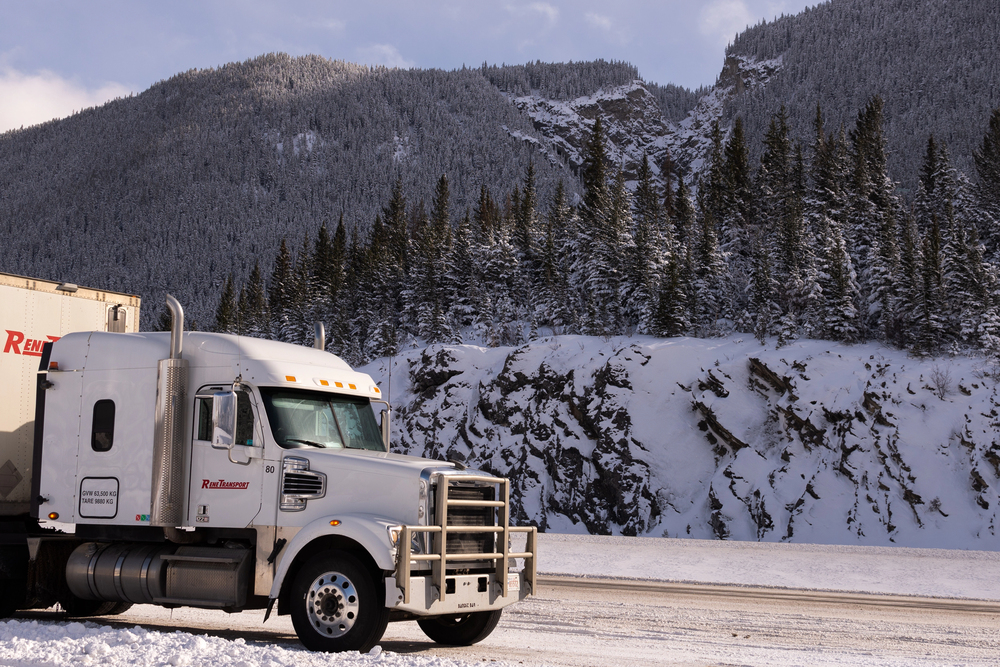
- Refrigerated trucks and refrigerated vans for transport
- Refrigerated containers for sea freight and cross border shipping
- Temperature controlled packaging, like passive containers, gel packs or dry ice
These elements all help keep things at an optimal temperature and protect temperature sensitive cargo throughout the supply chain.
A Guide To Temperature-Controlled Transportation
Temperature controlled transportation is one of the most challenging, and vulnerable, parts of cold chain logistics. During transit, goods are exposed to changing ambient temperatures, delays and loading risks.
To manage this, temperature controlled transport relies on:
- Refrigeration units that keep the temperature consistent
- Secure cargo doors to prevent temperature loss
- Proper physical loading and handling procedures
- Internal batteries or backup systems to keep the refrigeration going
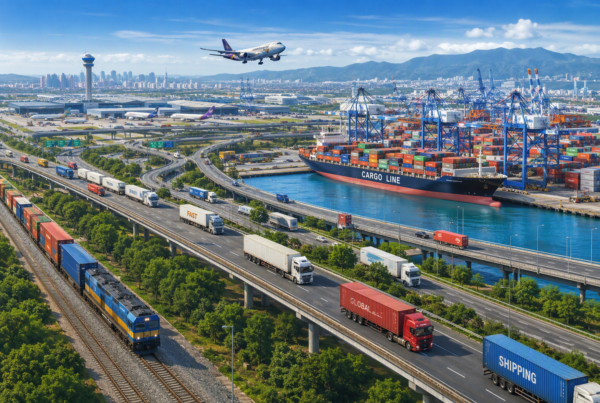
Whether you’re using road transport, air freight or sea freight, keeping the temperature consistent is essential to protect perishable products.
Products That Need Cold Chain Logistics
Cold chain logistics supports a range of industries that rely on strict temperature requirements.
Common examples include:
- Perishable food such as fresh produce, meat and seafood
- Dairy products with limited shelf life
- Pharmaceuticals and medical supplies
- Specialty chemicals and other sensitive goods
All these temperature sensitive items need a specific temperature range to prevent spoilage, bacterial growth or loss of effectiveness.
Why Does Temperature Control Matter?
Even small temperature fluctuations can cause big problems. Goods exposed to temperatures outside the safe temperature range can:
- Reduce shelf life
- Compromise product quality
- Allow harmful bacteria to develop
- Increase the risk of foodborne illnesses
Keeping the temperature stable throughout the supply chain helps ensure product safety, quality control and regulatory compliance.
The Role Of Cold Storage And Refrigerated Facilities
Cold chain logistics relies heavily on cold storage infrastructure. Refrigerated warehouses and effective cold store facilities act as control points where goods can be stabilized before continuing their journey.
Effective cold storage focuses on:
- Consistent temperature control
- Proper handling and inventory rotation
- Monitoring temperature requirements over longer periods
These facilities support efficient movement while protecting perishable goods from damage.
Monitoring And Visibility In The Cold Chain
Modern cold chain logistics relies on temperature monitoring and real-time monitoring to detect issues before they become costly problems.
Monitoring systems help:
- Track temperature-controlled shipments
- Identify temperature variation early
- Support documentation and compliance
- Protect high value and sensitive goods
Real-time visibility allows logistics teams to effectively manage risks and maintain product integrity throughout the supply chain.
Cold Chain Logistics Across Different Modes Of Transport
Cold chain logistics spans multiple modes of transport, each with its own challenges.
- Road transport uses refrigerated trucks for regional and long-distance hauls
- Air freight supports time-sensitive, high value goods
- Sea freight relies on reefer containers for international shipments
Across all modes, maintaining the right temperature during loading, transit and unloading is essential.
Regulatory Compliance And Quality Control
Cold chain logistics operates under strict regulatory expectations, especially in the food industry.
Compliance focuses on:
- Maintaining specific temperature ranges
- Documenting temperature-controlled conditions
- Ensuring proper handling during transport and storage
Meeting these requirements helps protect consumers and supports safe delivery for human consumption.
Challenges In Cold Chain Logistics
Cold chain logistics comes with unique logistical challenges, including:
- Temperature fluctuations during transfers
- Equipment failure in refrigeration units
- Delays at borders or ports during cross border shipping
- Managing long distances without temperature loss
Tackling these challenges calls for some real careful thinking upfront, plus decent gear that you can actually rely on, and a keen eye on the monitoring side of things.
Why Cold Chain Logistics Really Puts You Ahead of the Game
Companies that can get their cold chain logistics right are pretty much untouchable. They get to do temperature controlled shipments that are reliable, which means:
- You get better quality product
- Less of your product goes to waste, which = saved cash
- Customers are a lot more likely to trust you
- Your whole supply chain is performing way better
For companies working with goods that go off fast and/or fragile cargo, cold chain logistics isn’t something you can just wing, t’s a must have.
Final Thoughts
Cold chain logistics is the lifeblood of temperature controlled transport. If you can keep temperatures steady, manage your temperature sensitive goods, and know what’s going on all the way down the supply chain, you can be pretty sure your products will still be good to go when they arrive. As supply chains get more and more complicated, getting your cold chain logistics right is going to keep on being a vital part of getting temperature sensitive goods from A to B.