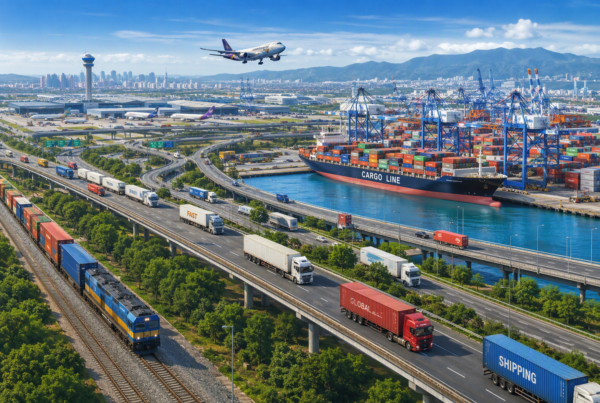

Logistics job roles support how goods move through the supply chain, from raw materials to final delivery. Across many industries, logistics professionals work in fast paced environments to coordinate transportation, manage inventory, support operations, and serve customers efficiently.
This hub explains the most common logistics job titles, including logistics coordinator, logistics manager, logistics specialist, logistics analyst, and related positions. Each role plays a specific part in supply chain management and supports different aspects of the logistics industry.
How Logistics Job Roles Fit Together
Logistics roles are connected across the entire life cycle of a product. From procurement and manufacturing to warehousing, transportation, and distribution, logisticians work across departments to manage cost, service, and operational efficiency.
Most logistics teams support:
- Transportation management and scheduling
- Inventory management and warehouse coordination
- Data analysis and reporting
- Communication with suppliers, customers, and internal departments
While responsibilities vary by job title, logistics roles often share overlapping tasks and require strong coordination and problem solving skills.
Logistics Coordinator
A logistics coordinator role focuses on day-to-day execution and coordination. The logistics coordinator position is often entry level and acts as a central communication point across operations.
Typical logistics coordinator job duties include:
- Coordinating transportation schedules and delivery timelines
- Communicating with carriers, warehouse teams, and customers
- Supporting inventory management and distribution activities
- Entering and updating data in logistics systems
- Resolving issues in a fast paced environment
This role requires strong communication skills, attention to detail, and the ability to manage multiple tasks at once. Logistics coordinators often gain relevant experience that supports long-term career growth.
Logistics Manager
A logistics manager oversees logistics operations across transportation, warehouse facilities, and distribution networks. This role carries more responsibilities and focuses on performance, cost control, and decision-making.
Logistics managers are typically responsible for:
- Managing logistics teams and workflows
- Overseeing transportation management and scheduling
- Monitoring inventory levels and operational efficiency
- Coordinating with procurement, manufacturing, and other departments
- Supporting risk management and security procedures
Many employers prefer a bachelor’s degree or relevant experience for this role due to the added responsibilities and leadership expectations.
Logistics Specialist
Logistics specialists focus on specific areas within logistics operations. Rather than managing everything, they apply specialized skills to targeted functions.
Depending on the organization, logistics specialists may support:
- Inventory systems and warehouse processes
- Transportation coordination or compliance
- Data analysis and performance tracking
- Project management initiatives
This role is common in manufacturing industries, large distribution organizations, and companies operating complex supply chains.
Logistics Analyst
A logistics analyst works with data to improve logistics operations. This role focuses on identifying trends, improving processes, and supporting smarter business decisions.
Common responsibilities include:
- Performing data analysis related to transportation, cost, and demand
- Tracking performance metrics and labor statistics
- Supporting operational efficiency and forecasting
- Providing insights to logistics managers and leadership
Analytical skills, problem solving ability, and familiarity with logistics systems are critical in this role.
Logistics Clerk
A logistics clerk supports logistics teams through administrative and system-based tasks. This role often works closely with warehouse staff, coordinators, and operations teams.
Logistics clerks may:
- Maintain shipping and receiving records
- Support inventory tracking within warehouse systems
- Assist with documentation and scheduling
- Communicate updates internally
Some positions require only a high school diploma, making this role a common entry point for people looking to become a logistics professional.
Logistics Planner
A logistics planner focuses on forward-looking coordination. This role supports balancing cost, service, and resources across transportation and distribution.
Logistics planners often:
- Build transportation and distribution plans
- Coordinate schedules across facilities
- Support demand planning and inventory flow
- Work with suppliers and internal stakeholders
This role requires strong analytical and communication skills, especially in fast paced logistics environments.
Logistics Account Executive
A logistics account executive manages customer relationships within logistics operations. This role focuses on service, communication, and coordination between customers and logistics teams.
Responsibilities may include:
- Managing logistics accounts and service expectations
- Coordinating internally with operations and transportation teams
- Communicating performance updates and resolving issues
- Supporting long-term customer relationships
This role blends logistics knowledge with effective communication and soft skills.
Logistics Management Specialist
A logistics management specialist supports management-level logistics functions. This role often exists in larger organizations or government agencies, including the federal government.
Responsibilities may include:
- Supporting logistics managers with reporting and analysis
- Managing specific logistics programs or resources
- Coordinating cross-functional initiatives
- Monitoring compliance, cost, and performance
This role often requires relevant experience, training, or a bachelor’s degree in logistics, supply chain management, or business administration.
Education, Experience, and Career Growth in Logistics Roles
Logistics roles exist across many industries, including manufacturing, retail, transportation, and government. Entry-level positions may require minimal education, while advanced roles often prefer degrees or industry experience.
Across logistics careers:
- Entry level roles focus on execution and training
- Mid-level roles involve more responsibilities and coordination
- Senior roles emphasize management, strategy, and decision-making
Job outlook remains strong, with high demand for logisticians across industries due to growing supply chain complexity.
Choosing the Right Logistics Role
Each logistics job offers a different balance of:
- Operations vs analysis
- Coordination vs management
- Individual tasks vs leadership responsibilities
Some professionals prefer hands-on warehouse or transportation roles, while others gravitate toward planning, systems, or management positions. Many logistics careers involve moving between roles as skills and experience grow.
Final Thoughts
Logistics roles support the movement of goods across the entire supply chain. From warehouse workers and coordinators handling daily tasks to managers and analysts driving performance, each position plays a critical role in delivering value to businesses and customers.
Understanding logistics job roles helps professionals navigate career options, identify relevant skills, and choose paths aligned with their interests in an industry defined by coordination, problem solving, and operational efficiency.