
As the world of supply chains gets crazier and crazier, more businesses are turning to third party logistics management to keep the show on the road. For a long time, outsourcing logistics was all about getting stuff from A to B, but now it’s about so much more than that. It’s about making sure inventory is where it needs to be, that your fulfillment centers are running smoothly, and that your logistics operations are humming along in perfect sync with what your customers expect.
This article’s all about what third party logistics looks like in real life, specifically, how 3PL providers get the goods moving on a daily basis.
What is Third Party Logistics (3PL) Really?
Third party logistics (3PL) is when you hand over your logistics services, things like warehousing, fulfillment, and transportation, to someone else. In a 3PL model, the provider is in charge of making sure your logistics operations are up and running, while you get to focus on the big picture and make the strategic decisions.
No more worrying about the day-to-day nitty-gritty of managing warehouse staff, systems and workflows. You get to let the 3PL provider handle all that for you.
What is Third Party Logistics Management?
Third party logistics management is the bit that makes all the logistics operations happen. It’s all about controlling your inventory, making sure orders are flowing smoothly through your fulfillment centers, and getting your logistics services running like clockwork.
Effective third party logistics management is all about:
- Keeping track of inventory levels across different locations
- Coordinating fulfillment workflows across multiple sales channels
- Overseeing your warehouse and inventory management processes
- Helping your supply chain operations run smoothly without you having to be on top of every little thing all the time
The goal is to get things running as efficiently as possible, so that your logistics operations can stay on track even when demand is fluctuating wildly.
The Role of a Third Party Logistics Provider
A 3PL provider acts as your operational partner within your supply chain. Once your inventory is in their network, they’re responsible for making sure it gets to the right place, on time, in the right condition.
In a lot of cases, 3PLs also act as your lead logistics provider. This means they’re in charge of coordinating your transportation services, freight forwarders and warehouse activity all under one roof. This helps cut out the handoffs and gives you a clear view of what’s happening with your logistics operations.
How 3PL Fulfillment Services Work
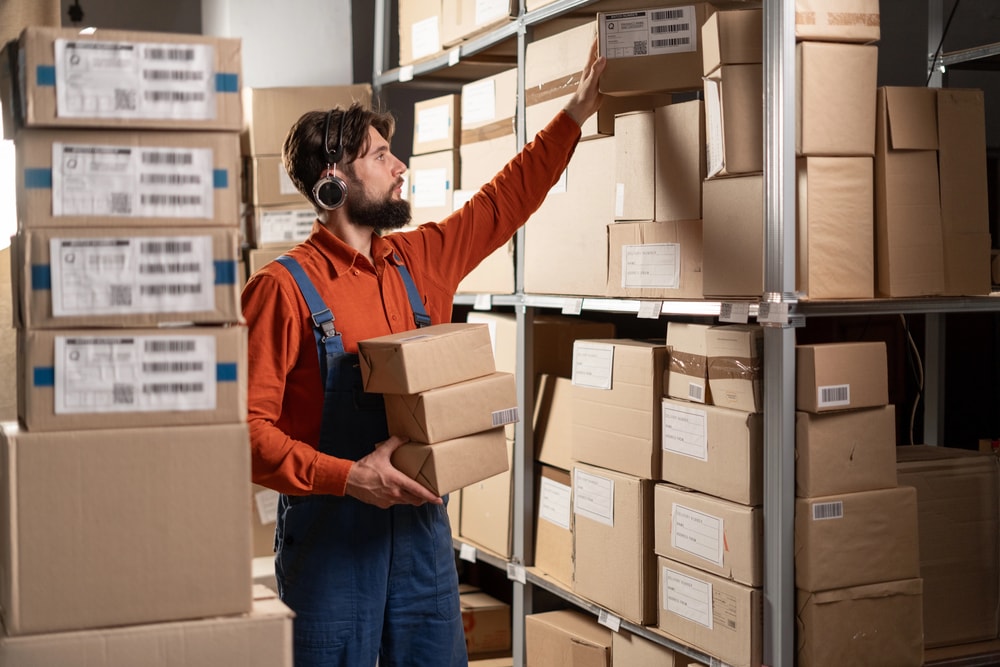
3PL fulfillment services start in your fulfillment center and keep going all the way through to final delivery. These services are designed to help you scale, get accurate results and keep your supply chain operations consistent.
A typical process looks like this:
- Your inventory comes in and your 3PL provider verifies the quantities
- They store those products in their warehouse management system
- Orders come in from connected sales channels and get released to the warehouse
- Your provider picks, packs, and ships the orders
- And they handle all the returns and reverse logistics when they come in
Modern fulfillment centers rely on warehouse management software and inventory management systems to keep track of what’s happening and make sure everything’s running smoothly.
Inventory Management in a 3PL World
Having solid inventory management is key to third party logistics management. 3PLs use a warehouse management system (WMS) to track your inventory levels, locations and order status in real time.
This helps you:
- Keep track of your inventory across multiple warehouses
- Reduce stock discrepancies
- Respond to changes in customer demand more quickly
By getting your inventory accuracy up to speed, 3PL providers can help your supply chain operations run more smoothly and reduce downstream disruptions.
Transport Services and Shipping Coordination
While all the heavy lifting is happening in the warehouse, getting your stuff to the customer is still a critical part of the puzzle. Many 3PL providers coordinate transport services through carrier networks or freight forwarders.
By managing your outbound shipping alongside your fulfillment services, 3PLs can help control your shipping costs, stick to delivery timelines, and keep your customers happy, especially if you’re shipping across the country or dealing with high order volumes.
Why Companies Use 3PL Management
As businesses grow, managing their logistics operations in-house just gets harder and harder. Third party logistics management helps companies stay in control without having to take on all the extra infrastructure.
Some of the benefits include:
- Improved operational efficiency
- Better alignment across your supply chain functions
- More predictable fulfillment performance
- Higher customer satisfaction thanks to reliable execution
Instead of having to chase after every little problem that comes up, companies can focus on bigger-picture supply chain management and business growth.
When Outsourced Fulfillment Makes Sense
Outsourcing your fulfillment is usually a good idea when:
- You’re operating across multiple sales channels
- You’re dealing with fluctuating order volumes
- You need more warehouse space without committing to long-term leases
- You want to reduce internal complexity while keeping service levels high
In these situations, 3PL providers can bring some much-needed structure and consistency to your fulfillment operations.
Final Thoughts on 3PL Management
Understanding what 3PL is all about means understanding how execution happens after you’ve decided to outsource. Third party logistics management is all about controlling inventory, fulfillment and logistics services within the broader supply chain, so operations stay stable even when things get complicated.
By working with a trusted 3PL provider, businesses can strengthen their supply chain operations, get a handle on shipping costs and keep on delivering reliable service without having to manage every little detail themselves.