Understanding LTL Shipping
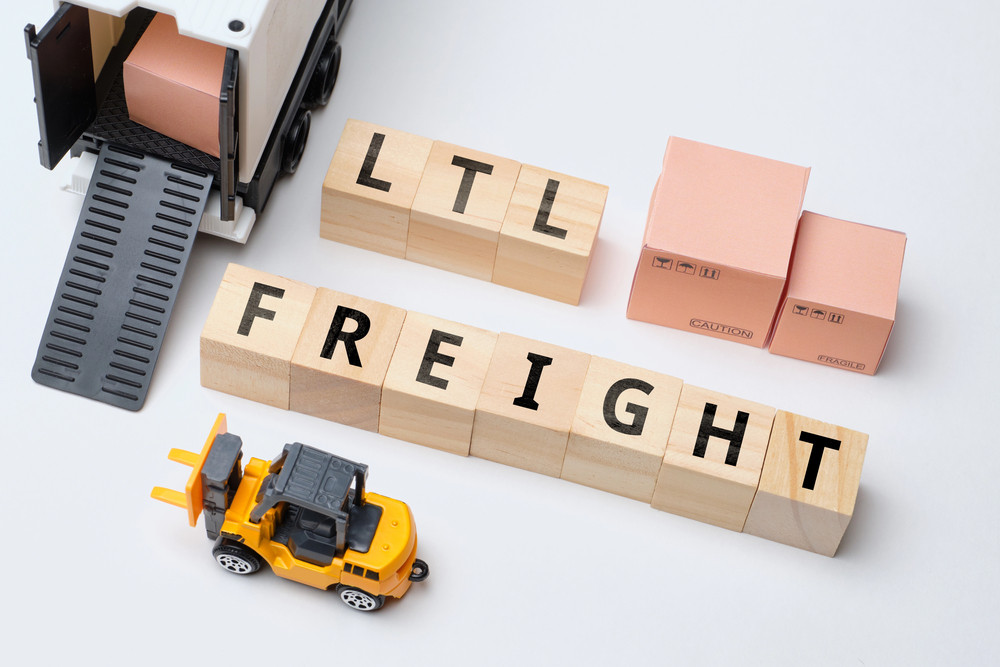
In logistics, not every shipment needs a full trailer. That’s where LTL, or less than truckload shipping, comes in.
This shipping method allows multiple shippers to share a trailer space on the same truck. Each pays only for the portion of space they use, making it a flexible and cost-effective way to move smaller freight loads that don’t require a dedicated trailer.
This approach has become one of the most common methods of freight shipping in the U.S. Ideal for companies that need to move smaller, consistent loads without paying for an entire truck. It bridges the gap between parcel shipping and full truckload (FTL) freight, keeping freight moving while managing overall shipping costs.
Whether you’re shipping regionally or nationwide, LTL freight shipping helps businesses stay agile in a market where capacity, cost, and timing all play a role in supply chain performance.
How LTL Fits into Modern Logistics
In today’s transportation network, most supply chains rely on a combination of full truckload and less-than-truckload services. Each serves a different purpose, but together, they keep freight moving efficiently.
LTL shipments move through what’s known as a hub-and-spoke network. Freight is picked up from multiple customers, consolidated at a regional terminal, then reloaded onto outbound trucks headed toward final destinations.
This approach helps shippers move freight more often without waiting to fill an entire truckload. For companies managing steady regional demand, recurring deliveries, or partial loads, it’s an efficient and reliable way to stay flexible.
Most LTL carriers run well-established terminal networks, allowing shippers to reach markets nationwide while maintaining consistent service. For manufacturers, distributors, and retailers alike, this shipping service keeps products flowing and inventory balanced.
How LTL Freight Works
If you’re new to LTL freight shipping, here’s what the process looks like from start to finish:
- Pickup: the carrier collects your freight, often alongside freight from other customers in the same area.
- Terminal Sorting: Your shipment arrives at a local terminal, where it’s grouped with other freight headed in the same direction.
- Linehaul Movement: The consolidated freight moves between terminals until it reaches the destination terminal.
- Final Delivery: The freight is loaded for local delivery and brought to the consignee
Because most LTL shipments are handled several times throughout this process, proper packaging and labeling are essential. Strong pallets, shrink wrap, and corner protection help keep products safe during transfer.
This multi-stop structure is what makes LTL freight work, you only pay for the space you use, but your freight benefits from a shared, nationwide delivery network.
When to Choose LTL Over Full Truckload
LTL works best for freight that:
- Weighs between about 150 and 15,000 pounds
- Fits on one to six pallets
- Doesn’t require dedicated trailer space or strict delivery times
If your freight doesn’t fill a 53-foot trailer or you’re shipping smaller batches on a regular basis, LTL trucking is often the smarter choice.
Instead of paying for unused space on a full trailer, you share capacity with other shippers moving in the same direction. That means lower LTL freight rates, predictable schedules, and access to a broad freight carrier network that covers nearly every major U.S. region.
For example, a manufacturer sending four pallets from Dallas to Chicago doesn’t need to wait for a full truckload. With LTL freight, that shipment can move today, at a fraction of the cost of a dedicated truck.
Common Challenges in LTL Shipping
While LTL freight shipments are efficient and cost-friendly, they come with unique challenges that shippers should plan for:
- Freight handling: Since freight is transferred between terminals, it’s handled more frequently than a direct truckload shipment. Secure packaging and clear labeling are essential.
- Transit times: LTL routes involve multiple stops, which can extend delivery times compared to dedicated truckload lanes.
- Freight classification: Pricing depends on weight, density, and how your product is classified. The right freight class ensures accurate billing and prevents costly reclassifications.
- Visibility: Shared trailer space can make tracking and delivery updates more complex, especially across multiple LTL carriers or brokers.
These challenges are manageable with preparation and the right logistics partner who understands how LTL freight moves through the network.
How to Get the Most Out of LTL Shipping
A few best practices can make LTL freight shipping more efficient and predictable for your operation:
Package and Label Properly
Use sturdy pallets, shrink wrap, and edge protection. Clear labeling on each pallet helps reduce the chance of misrouting or damage when your freight moves through terminals.
Plan Ahead
LTL trucking relies on scheduled routes, booking early gives you better options for carriers and delivery times. It can also help secure more competitive LTL freight rates.
Consolidate When Possible
If you’re shipping multiple small loads to the same region, consider combining them into one LTL shipment. Consolidation helps reduce per-pallet costs and simplifies tracking.
Work With a Logistics Partner
A 3PL like ShipEX Logistics coordinates between multiple freight carriers, manages rates, and streamlines communication. This ensures smoother scheduling, fewer delays, and clear visibility throughout your shipment’s journey.
With a trusted partner, shippers can coordinate LTL freight knowing that costs, tracking, and carrier performance are being actively managed.
Final Thoughts
LTL freight plays an essential role in today’s supply chains, offering a reliable middle ground between parcel and full truckload freight. It’s cost-effective, flexible, and widely available through most LTL carriers.
By understanding how freight class, LTL pricing, and shipping methods work, you can make better decisions about when to ship LTL and when to move a truckload shipment instead.
The key is to balance cost, timing, and reliability, and work with a partner who understands how to make less than truckload shipping work in your favor.