What Is Food and Beverage Logistics?
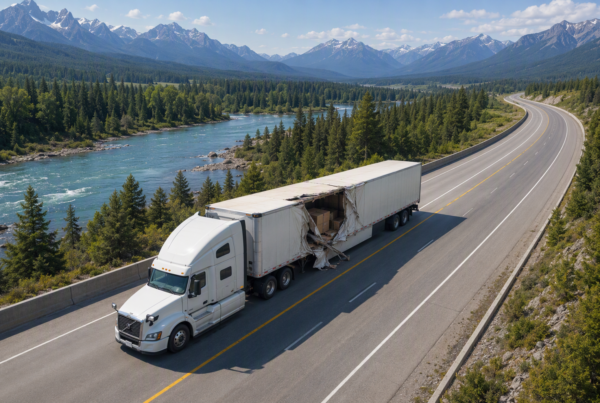
From farms and factories to restaurant kitchens and store shelves, food and beverage logistics play a vital role in keeping supply chains rolling. The food and beverage industry relies on accurately coordinated logistics to deliver products that are safe, fresh, and delivered on schedule, no matter where they are headed.
With growing consumer demand and shrinking delivery windows, the strain on logistics networks has never been more intense. Recent disruptions, to international events, weather, or labor shortages, have laid bare how exposed some supply chains might be. Businesses are now putting more emphasis on creating a healthier supply chain, underpinned by real-time visibility and more resilient transportation strategies.
Whether fresh foods, packaged foods, or beverages, every shipment of food and beverages is dependent on logistics to bring not just products, but trust.
How the Food and Beverage Supply Chain Works
The food industry logistics is a complex mesh of stages and participants all working together to move products from source to shelf. It begins with the procurement of raw materials such as grains, dairy, fruit, or flavoring, and is funneled on to food companies or drinks companies to be processed.
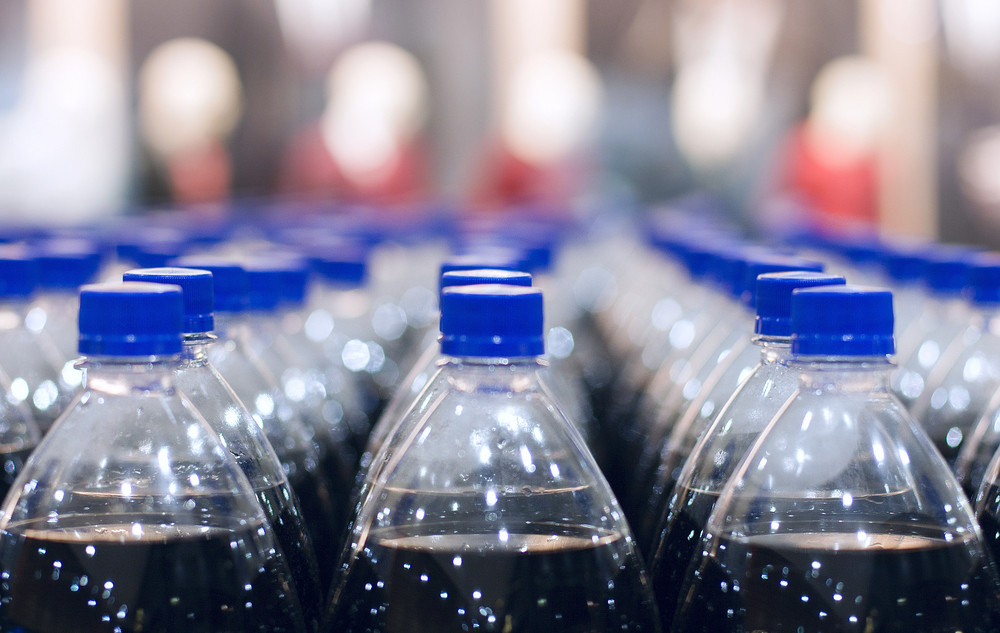
After production, products are packaged, warehoused under proper conditions, and shipped to meet demand. While both food and beverage companies go through the same phases of logistics, the food supply chain generally must deal with more perishable and temperature-sensitive commodities. Conversely, the beverage supply chain is defined as high-volume, often shelf-stable products that might be subject to different storage and shipping habits.
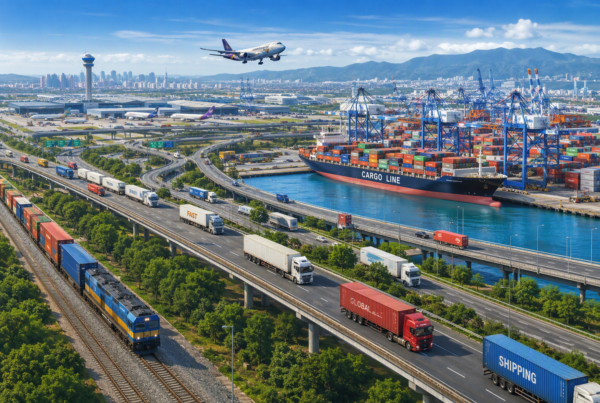
For multinational food and beverage firms, managing global supply chains is an extra level of complexity. Multiple suppliers, manufacturers, and carriers must be coordinated in harmony to deliver product quality and speed across the entire chain.
Main Challenges in Food and Beverage Logistics
Food and beverage products are accompanied by special challenges that can affect everything from delivery time to product safety. These include:
1. Perishability and Shelf Life
- Short time windows for safe delivery
- Need for temperature-controlled transportation
- Risk of spoilage or contamination
2. Operational Strain
- Labor shortages across warehousing and transport
- Rising fuel and shipping costs
- Transportation delays that slow down the supply chain
3. External Disruptions
- Severe weather events
- Sudden demand fluctuations
- Supply chain interruptions due to geopolitical or global events
Companies must be agile, responsive, and ready to adapt their logistics strategy on the fly in order to stay competitive.
How Logistics Protects Food Safety and Quality
There is nothing more important in the food and beverage sector than food safety. Every shipment must be handled safely in order to ensure products remain safe for human consumption, from the plant of production all the way through to final delivery.
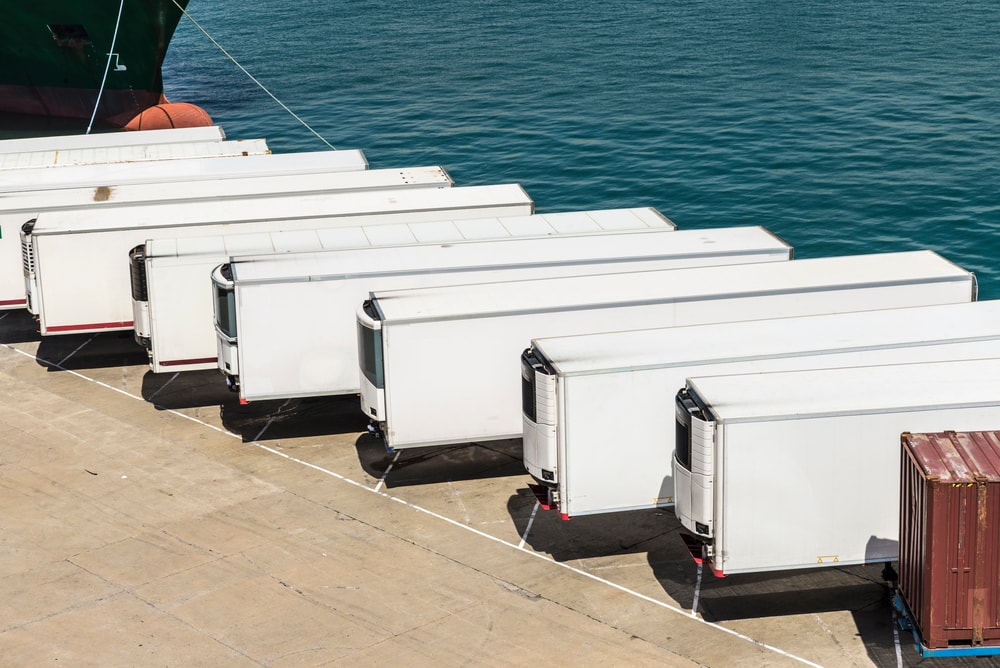
Refrigerated transport plays a vital role in maintaining safe temperature, especially for perishable commodities like dairy, meat, and fresh fruits and vegetables. Maintained temperature protection guarantees product quality and prevents spoilage, contamination, or unwarranted loss.
Besides cold chain logistics, stringent safety protocols, quality tests, and adherence to industry safety guidelines are required at every step. Collectively, these make every shipment of food and beverage items arrive at destination safe, fresh, and ready for use.
Why Real Time Tracking Matters in Food Logistics
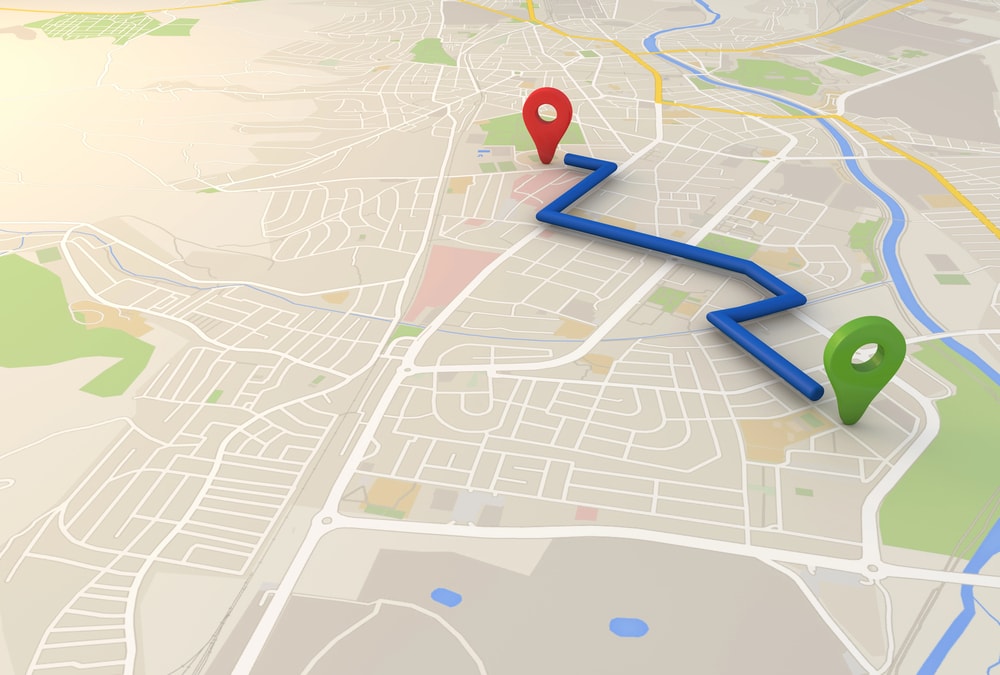
For several shipments within regions that are under the control of food and beverage companies, visibility becomes paramount. Tracking in real-time gives an unobstructed view of where products are at any given time, enabling teams to monitor inventory levels, spot delays, and respond quickly to problems.
With real-time visibility, companies can better manage order fulfillment and enjoy more consistent on-time delivery. This type of transparency provides greater supply chain visibility and facilitates fast communication between suppliers, carriers, and end-consumers.
Generally speaking, greater control equates to better decision-making, more efficient supply chain performance, and stronger customer satisfaction.
Sustainability in Food and Beverage Logistics
Sustainability is becoming a growing concern across the food and beverage industry. Companies are adopting sustainable practices that guarantee less waste, fewer releases of greenhouse gases, and a lower overall effect on the environment.
Among those commonly practiced are saving fuel through route optimization, optimizing deliveries with investments, and using eco-friendly packaging. They all go not only towards minimizing the carbon footprint of a company but also towards long-term sustainability goals.
While sustainability requirements continue to rise, food and beverage logistics carriers are rethinking how to move products sustainably, without compromising speed, safety, or service.

The Final Step: Last Mile Delivery and Distribution
The final step of the food and beverage supply chain is typically the most time-sensitive: delivering goods from distribution points to their ultimate delivery point. Whether in a store, restaurant, or in a customer’s home, last mile delivery is key to the delivery of food and drink and its freshness.
This stage requires speed and precision. Food and beverage supply chain staff need to manage food gently in order to retain quality and meet growing consumer demand on timing and condition.
By investing in wiser routing, reliable carriers, and local fulfillment strategies, food logistics operations can maximize efficiency all the way from warehouse to doorstop.
Responding to Changing Market Requirements
Within an ever-evolving landscape, food and beverage companies are reconfiguring their logistics strategies to stay ahead. From shifts in consumer behavior to global disruptions, adaptability has emerged as a competitive advantage within the food business and beverage business alike.
Most companies are investing in new technology, strengthening supplier relationships, and smoothing out production schedules to make them more flexible. The ultimate: reach the market sooner with a completed product of higher quality, without trading off on consistency or safety.
With expectations continuing to shift, flexibility remains essential to getting food and beverages to the market in a way that meets demand while protecting the bottom line.