
Why Refrigerated Transportation Matters
When it comes to shipping perishable freight, freshness is non negotiable. Whether it’s meat products, fresh produce or live seafood, these goods must be kept at the right temperature throughout their journey. A small temperature swing can mean spoiled food, lost revenue and unhappy customers.
That’s why refrigerated transportation is essential. These specialized vehicles are built to protect temperature sensitive products in transit, preserve food safety and extend shelf life from farm to grocery stores and restaurants. As consumer demand grows for high quality perishables, shippers must meet rising expectations and comply with tighter industry standards.
What is Perishable Cargo?
Perishable cargo is anything that spoils, decays or loses quality without proper temperature or humidity control. In logistics this means anything with a short shelf life that requires cold chain transportation.
Common examples are:
-
Fruits and vegetables like apples, oranges and peaches
-
Meat, seafood and frozen goods
-
Dairy products, flowers and live animals
These items must be handled properly, packaged securely and transported quickly to prevent spoilage. If the cold chain breaks at any point – due to delays, poor insulation or exposure to heat – the cargo may be rejected or wasted.
Transportation Methods for Perishable Goods
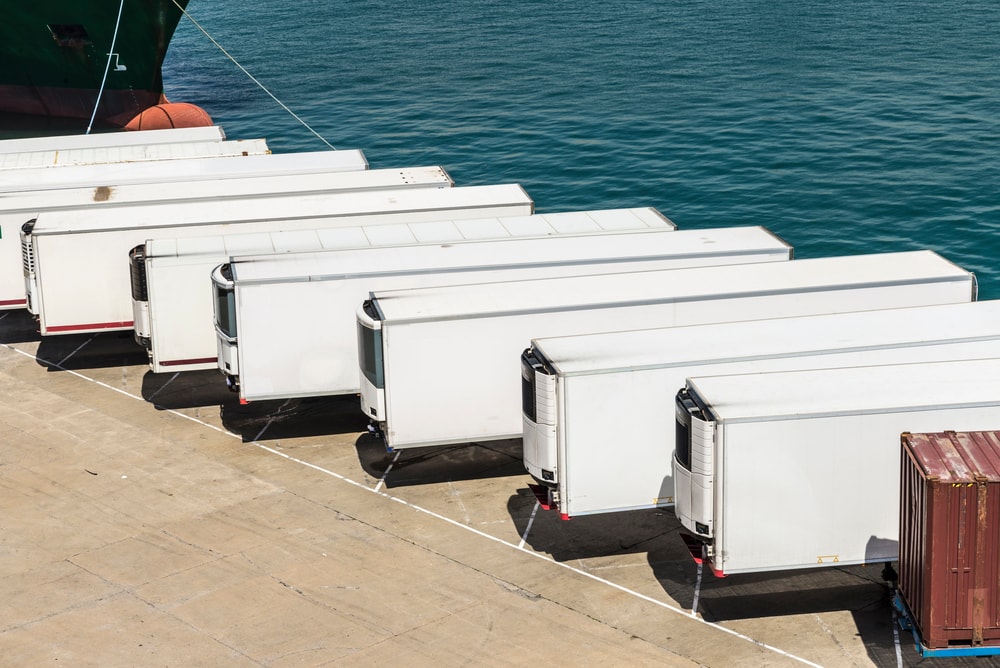
Preserving freshness in transit requires choosing the right shipping method and tools. Refrigerated trucks are the backbone of cold chain logistics, especially for regional or national hauls. These trucks maintain consistent cooling whether hauling produce, meat or flowers.
For same day or long distance international deliveries air transport is the go to solution. It’s fast and reduces the risk of temperature related delays.
Supporting tools used in perishable cargo transportation are:
-
Insulated containers
-
Gel packs for steady cooling
-
Dry ice for frozen shipments
These elements work together to keep perishable goods safe from origin to final destination.
Meeting Perishable Cargo Regulations
Shipping perishable foods involves more than just keeping items cool – it means following strict perishable cargo regulations. These rules exist to protect public health and ensure quality standards throughout the shipping process.
Key regulatory agencies are the FDA, USDA and various state health departments. They oversee:
-
Approved packaging materials
-
Temperature logs during transit
-
Sanitation of transport equipment
Compliance helps prevent foodborne illness, reduces waste and maintains trust between shippers, carriers and customers.
Handling and Responsibilities: Who’s Involved
Moving temperature sensitive products requires coordination between many parties in the supply chain. Each party has a critical role in preventing spoilage and delivering on time.
Key players involved:
-
Shippers: Prepare and pack freight
-
Carriers: Keep temperatures in check during transit
-
3PLs (third-party logistics providers): Manage transportation, timelines and cold chain integrity
-
Cold storage operators: Offer temperature control mid-transit
-
Grocery stores and restaurants: Rely on fresh deliveries for customer satisfaction
Without proper handling even a small mistake – like the wrong box or a delayed truck – can mean lost product and revenue.
Popular Perishables: What Gets Shipped and Why
The cold chain keeps many everyday items safe. Fruits and vegetables are some of the most frequently shipped perishables due to their sensitivity to heat and short shelf life.
Other common shipments are:
-
Meat products like steaks and poultry
-
Fresh seafood which spoils rapidly without strict cooling
-
Dairy, flowers and frozen specialty items
From restocking produce shelves to delivering ingredients to restaurants these goods must be transported quickly and kept at the right temperature to maintain quality and prevent waste.
Challenges of Perishable Cargo Transportation
Perishable freight comes with unique risks. Exposure to heat even for a short time can reduce quality or cause spoilage – especially for short shelf life items like seafood and dairy.
Top challenges are:
-
Packaging errors: Weak insulation or damaged boxes allow temperature swings
-
Transit delays: Traffic, reroutes or mechanical issues affect on time delivery
-
Equipment failure: Malfunctioning refrigeration jeopardizes the entire load
To protect product integrity every link in the cold chain must perform. Even a slight misstep can mean shipment rejections, spoilage and customer dissatisfaction.
Innovations That Improve Perishable Freight
Technology has changed how we handle perishable cargo. Real time temperature monitoring systems help detect issues before they escalate giving shippers and carriers a chance to intervene.
Recent developments are:
-
GPS tracking with alerts
-
Smarter route planning to reduce delays
-
Improved insulation materials for longer temperature stability
These tools give shippers, producers and logistics teams more control – allowing them to guarantee freshness, reduce waste and improve customer satisfaction.

The Future of Fresh
As consumer expectations grow and demand for fresh premium perishables increases, supply chains must keep up. From organic produce to specialty meat buyers want quality, speed and transparency.
To meet that demand businesses must:
-
Choose the right transportation method – refrigerated trucks or air freight
-
Invest in smart tracking
-
Work with cold chain partners
As the industry moves forward those who put product integrity, safety and strategic logistics first will stay ahead in a crowded market.
Conclusion
Whether you’re a shipper, carrier or cold storage provider delivering perishable goods requires precision and teamwork. Every box of produce, pallet of frozen seafood or shipment of meat depends on cold chain transportation.
By using smart technology, being compliant with regulations and choosing the right method companies can keep food fresh, reduce waste and meet customer expectations – week in week out, shipment by shipment.